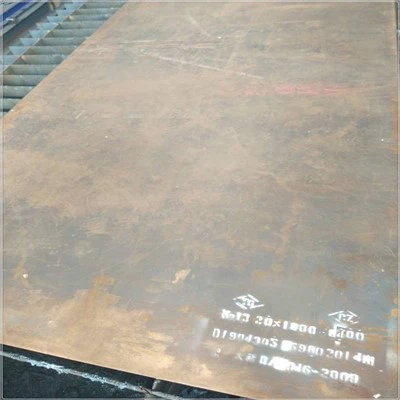
As a tool steel supplier, I often get asked about the surface finish of tool steel after machining. It's a crucial aspect that can significantly impact the performance and functionality of the final product. So, let's dive into what surface finish is, why it matters, and how it's achieved with tool steel.
What is Surface Finish?
Surface finish, also known as surface texture or surface roughness, refers to the nature of a surface as defined by the three characteristics of lay, surface roughness, and waviness. In simple terms, it's how smooth or rough the surface of a material is after it has been machined. A good surface finish can enhance the appearance of the tool steel, improve its corrosion resistance, and reduce friction, which is especially important for tools that are used in high - stress applications.
Why Does Surface Finish Matter for Tool Steel?
- Functionality: A smooth surface finish can improve the performance of tool steel. For example, in cutting tools, a smooth surface reduces friction between the tool and the workpiece, which can lead to better cutting efficiency, longer tool life, and a better quality finish on the workpiece.
- Corrosion Resistance: A well - finished surface can be more resistant to corrosion. When the surface is smooth, there are fewer crevices and pits where moisture and corrosive agents can accumulate. This is particularly important for tool steel that is used in environments where corrosion is a concern, such as in the marine or chemical industries.
- Aesthetics: In some cases, the appearance of the tool steel is important. A smooth, uniform surface finish can give the tool a more professional and high - quality look, which can be a selling point for customers.
Factors Affecting Surface Finish in Tool Steel Machining
- Cutting Tools: The type and quality of the cutting tools used in machining can have a significant impact on the surface finish. High - quality cutting tools with sharp edges can produce a smoother surface finish compared to dull or low - quality tools.
- Machining Parameters: Parameters such as cutting speed, feed rate, and depth of cut can also affect the surface finish. For example, a higher cutting speed and a lower feed rate generally result in a smoother surface finish.
- Tool Steel Grade: Different grades of tool steel have different properties, which can affect the surface finish. For instance, L3 Alloy Tool Steel has unique characteristics that may require specific machining techniques to achieve the desired surface finish. Similarly, S45C Tool Steel and T10A Carbon Tool Steel each have their own requirements.
Methods to Achieve a Good Surface Finish
- Grinding: Grinding is a common method for achieving a smooth surface finish on tool steel. It involves using an abrasive wheel to remove small amounts of material from the surface of the steel. Grinding can produce a very fine surface finish, but it can also be time - consuming and expensive.
- Polishing: Polishing is another way to improve the surface finish. It uses abrasive compounds to smooth the surface of the tool steel. Polishing can be done by hand or using a machine, and it can produce a mirror - like finish.
- Turning and Milling: These machining processes can also be used to achieve a good surface finish. By carefully controlling the cutting parameters and using the right cutting tools, it's possible to produce a smooth surface on the tool steel.
Measuring Surface Finish
There are several ways to measure the surface finish of tool steel. One common method is to use a surface profilometer, which measures the roughness of the surface. The results are usually expressed in micrometers or microinches. Another method is to use visual inspection, which can give a general idea of the surface finish but is less accurate than using a profilometer.
Our Role as a Tool Steel Supplier
At our company, we understand the importance of surface finish for tool steel. We offer a wide range of tool steel grades, including L3 Alloy Tool Steel, S45C Tool Steel, and T10A Carbon Tool Steel. Our experts can provide advice on the best machining techniques to achieve the desired surface finish for your specific application.
We also work closely with our customers to ensure that they get the right tool steel with the appropriate surface finish. Whether you're in the automotive, aerospace, or manufacturing industry, we can help you find the perfect tool steel for your needs.
Contact Us for Your Tool Steel Needs
If you're interested in learning more about the surface finish of tool steel after machining or if you're looking to purchase tool steel, don't hesitate to get in touch. We're here to answer your questions and provide you with the best solutions for your tool steel requirements. Let's work together to ensure that you get the highest quality tool steel with the perfect surface finish for your application.


References
- Smith, J. (2020). Tool Steel Machining: Best Practices. Machining Journal.
- Johnson, R. (2019). Surface Finish in Tool Steel Manufacturing. Manufacturing Review.
- Brown, A. (2021). The Impact of Surface Finish on Tool Steel Performance. Materials Science Quarterly.