Yuxin (Tianjin) International Trade Co., Ltd. is a steel agent. The main business of our company is: medium and thick plates, ductile cast iron pipe, seamless pipes, deformed bars, etc. from steel plants such as Angang, Hangang, Wugang, Nangang, Shagang and other steel plants, as well as a variety of steel related products. We can customize boards and building materials of various specifications, sizes and materials for customers.
Professional Solution
We work very closely with you to gain a clear understanding of your individualized needs. Our dedicated sales team is trained to assist you in meeting all of your requirements.
Rich Experience
With over three decades of experience in the industry, we are exceptionally suited to service your steel requirements and to establish ourselves as the go-to supplier for all your steel needs.
Quality Assurance
We have access to a vast number of suppliers that manufacture top-quality steel. we supply line pipe, seamless pipe, galvanized pipe, SSAW, LSAW pipe, steel plates, flat rolled sheets, coils, reinforcing steel, merchant bars, structural sections and more.
Wide Range of Applications
Our products and specialist solutions are used for everything from consumer goods and commercial kitchen equipment to laser-cutting, metal fabrication, construction, mining and public utilities.
-
![Carbon Steel]() Carbon SteelThe difference between carbon steel and high carbon steel is mainly the most important thing is that their definitions are different, carbon steel is low carbon steel in the carbon content of 0.0218% to 0.25%.0.6% to 2.11% carbon steel isread more
Carbon SteelThe difference between carbon steel and high carbon steel is mainly the most important thing is that their definitions are different, carbon steel is low carbon steel in the carbon content of 0.0218% to 0.25%.0.6% to 2.11% carbon steel isread more -
![Q235 Steel]() Q235 SteelAccording to its yield strength grade is divided into five grades, the commonly used grade of steel structure is Q235 steel. The grade of steel is composed of four parts in order, such as the letter representing the yield point, the yieldread more
Q235 SteelAccording to its yield strength grade is divided into five grades, the commonly used grade of steel structure is Q235 steel. The grade of steel is composed of four parts in order, such as the letter representing the yield point, the yieldread more -
![SS400 Steel]() SS400 SteelJIS G3101 SS400 is one of the most common carbon structural steel grade,Other standards are GB, ASTM, DIN, etc. Used for manufacturing Steel pipe, Steel Sections, etc.read more
SS400 SteelJIS G3101 SS400 is one of the most common carbon structural steel grade,Other standards are GB, ASTM, DIN, etc. Used for manufacturing Steel pipe, Steel Sections, etc.read more


Carbon steel is a material for producing tools and other items since it is sturdy, but if you don’t take good care of it then it can rust. Iron ore is heated to temperatures between 1,200 and 1,500 degrees Fahrenheit in an atmosphere free of oxygen to create carbon steel. As a result, the iron ore becomes brittle and can be molded into various shapes. It also increases the metal’s durability compared to other metals.
Carbon steel has a wide range of applications, including the manufacture of automotive parts and knife blades. Because it rusts less frequently than other types of steel, carbon steel is typically simple to weld.
Steel plates that have undergone the carbonitriding process to make them harder are known as carbon steel plates. In this procedure, the steel is heated in an atmosphere devoid of oxygen before being quenched in oil.
Due to its ability to be welded and machined, carbon steel is predominantly employed for structural applications. Additionally, it is quite hard, making it strong enough to withstand use in cutting objects while remaining safe for use.
Types of Carbon Steel Plates By Applications
Carbon Structural Steel Plate
Depending on the different carbon content, it can be divided into ordinary carbon structural steel plates and high-quality carbon structural steel plates. They are mainly used in the construction industry. So the quality, durability, and performance of carbon structural steel plates must meet the highest standard. That is to say, the carbon structural steel plate must be corrosion resistant and can withstand the overweight load and pressure.
Free-cutting Carbon Steel Plate
Free-cutting carbon steel plate is a kind of steel plate that adds some elements to make the steel much brittle so that the steel plate is easily broken when cutting. It is beneficial to improve the cutting speed and prolong the life of the cutting tool.
Boiler Steel Plate
Boiler steel plate is one of the key materials in boiler manufacturing. It mainly refers to the hot-rolled medium steel plate used for the manufacture of superheaters, boiler chambers, shells, support hangers, etc. Carbon boiler steel plate often has good welding and cold bending properties, and good resistance to alkaline, corrosion, and oxidation at high temperatures. Generally, the main codes include 20g, 16Mng, 15CrMoVg, 19Mng, 22Mng, 20R, 16MnR, 15MnNbR, etc.
Tank Steel Plate
Tanks made with carbon steel tend to be more affordable, wear-resistant, and durable. This makes the tank carbon steel plates have wide applications in industrial, commercial, and residential establishments. They are popular in the building of oil and gas tanks, storage tanks, water tanks, and tanks for storage other all kinds of stuff.
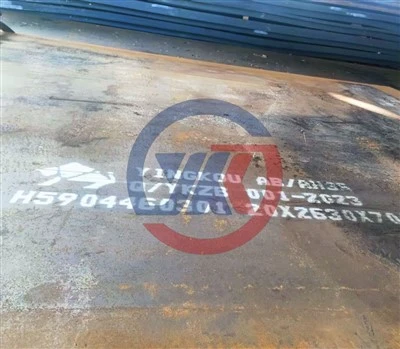
Carbon Shipbuilding Steel Plate
Shipbuilding steel plate refers to the steel plate produced with special structural steel for shipbuilding and used to manufacture the hull structure of ships sailing in ocean, coastal and inland waterways. The common thickness is 2.5-50 mm. It is compatible with high strength, high heat input soldering, and low temperature. According to the minimum yield strength, it is available in general carbon shipbuilding steel plates and high strength carbon shipbuilding steel plates.
Robust Construction
Carbon steel plate, has a higher concentration of carbon than other types of steel, generally between 0.02%-2.11%, which can solidify the metal’s interior structure and enhance its strength. As the percentage of carbon gets larger, the steel will become harder.
Good Mechanical Properties
Carbon plate can be cut, welded, or processed easily due to its good abrasion resistance and machinability. While carbon steel can still stress and break under pressure, it’s less likely than with other types of steel.
Various Specifications
Carbon steel plate is available in a wide selection of thicknesses, sizes, grades, and types.
Wide Applications
This material can be used in many applications, from small household items to structural frames, wires, automobile components, surgical instruments, bolts, stampings, cranks, gears, bars, spring steel, railway tracks, cookware, pipelines, fencing, nails, etc.
Affordability
It is cheaper than galvanised steel, galvalume steel, aluminium, or stainless steel, making it a popular metal used by many manufacturing companies.

Uses of Carbon Steel Plate

Manufacturing
In the manufacturing industry, carbon steel plates are often used as a base material for the building of components. It is because its durability makes it an ideal choice for manufacturing bolts, gears, and screws, among others. When a carbon steel plate is used for these components, machines operate for longer before needing replacement gears or screws.

Construction
In construction, you’ll usually find that carbon steel plates are used in the building of ships and bridges, as well as other types of commercial or industrial buildings. Due to their strength, the carbon steel plates can be used for different types of braces or brackets, which are integral to the overall construction. They may also be used for base plates that provide anchoring support.

Storage Tanks
Carbon steel plates are also used to make storage tanks. This type of metal responds to riveting really well, and it can be welded properly to create a tank that’s water-resistant and airtight. Additionally, it’s a more cost-effective option that allows you to make a tank for a cheaper cost without compromising quality.
Benefits of Using Carbon Steel Plates
Carbon steel plates are used to support pipelines, buildings, and roads and have the ability to absorb shock. Carbon steel is also resilient in various fields due to its strength and shock resistance capabilities.
When constructing homes, safety is quite important. Therefore, compared to their alternatives, carbon steel plates are a pleasure to use, especially when considering their safety. Due to their resilience to earthquakes, fires, tornadoes, hurricanes, and other natural disasters, these plates can be helpful in construction projects. They are a secure solution for building projects as a result.
Low-carbon content mild carbon steel is very flexible and may be formed, sliced, and bent into any shape and pattern that suits your preferences. As a result, you might claim that these plates are easily fordable to meet structural needs and open the door to their application in home remodeling projects.
The amount of carbon present determines the weight of steel plates. These plates are lighter than similar plates because mild steel has a reduced carbon content, making it simpler to deal with. Because it is lightweight, mild steel is frequently used to make fences, ornaments, auto parts, and other home improvement tasks.
You can get carbon steel plates at a reasonable price and as a cost-effective option. Although prices may differ depending on the mild steel plate supplier you select, they are still less expensive than copper plates. They are a cost-effective choice to take into account if you do not have a huge budget to spare for the purchase of steel plates. Additionally, these plates can be converted into thin sheets for use as pipelines, which further lowers the cost to a significant degree.

Production Process of Carbon Steel Plates
Raw Materials
The primary raw materials used in the production of carbon steel are iron ore, coal, and limestone. Iron ore is mined and then processed into iron, which is then melted in a blast furnace along with coke (a type of coal) and limestone. The coke acts as a reducing agent, reacting with the iron ore to remove oxygen and other impurities.
Electric Arc Furnace (EAF) Process
In the EAF process, scrap steel is melted in an electric arc furnace using electricity generated from natural gas or coal. The resulting molten steel is then poured into molds and cooled, forming a solid steel billet.
Finishing
The finishing stage of carbon steel making involves several processes that refine the chemical composition and physical properties of the steel to meet specific requirements. The finishing stage of carbon steel making is crucial in ensuring the quality and consistency of the final product. The production involves finishing the steel to the desired surface finish, such as polishing, painting, or coating.
Steel Making
Once the iron has been melted, it is then converted into steel through a process called steelmaking. There are two main methods of steelmaking: the basic oxygen process (BOP) and the electric arc furnace (EAF) process.
Basic Oxygen Process (BOP)
In the BOP process, oxygen is blown into the molten iron to remove impurities such as carbon, silicon, and manganese. The resulting steel is then poured into molds and cooled, forming a solid steel billet.
Rolling
Once the steel billet has cooled, it is then shaped into various forms such as plates, sheets, or bars through a process called rolling. The billet is passed through a series of rollers that gradually reduce its thickness and shape it into the desired form.
Annealing
After rolling, the steel may be subjected to a process called annealing, which involves heating the steel to a high temperature and then slowly cooling it to relieve internal stresses and improve its ductility and toughness.
How to Choose a Carbon Steel Plate
Choosing a Carbon Steel Plate can be a complicated task. There are many different types of plates available on the market, and it cannot be very clear to know which one is right for you. Here are some tips to help you make the right choice.
Low Carbon Steel
Generally, the carbon content of low-carbon steel is less than 0.25%. It can also be referred to as mild steel. These steels are used in a wide variety of applications. They are ideal for structural applications because of their moderate strength. They are also suited for wear-resistance products, pipes, and rivets. They are resistant to rot and brittleness.
It is essential to choose a SA 516 GR.70 Plates that suits your application. There are many factors that you need to consider. These include the steel’s strength, the material’s flexibility, and the product’s cost. The strength of the steel is increased by heat-treating the material. The flexibility is determined by the amount of stretching the material can achieve before breaking.
The machinability of the metal is a good indication of its overall hardness. The elongation of the material is also an excellent metric to measure its stretchability. A high extension will increase the length of the material before it breaks. Other elements added to the carbon in the steel improve its corrosion resistance, wear resistance, and tensile strength. The amount of these elements can vary, but they usually add up to one wt. Percent.
In addition to the carbon in the steel, there is also a small amount of manganese. In rolled steel structural plates, this amount is usually around 1.5%. The manganese in these materials also contributes to its strength. The most affordable and often used kind of carbon steel is Carbon Steel Plate, commonly referred to as mild carbon steel plate. It is significantly weaker and softer but more fabricated and simple to process, such as forging, welding, cutting, etc., with a carbon content of less than 0.25%.
Boiler Steel Plates
Choosing the correct boiler steel plate is crucial. It helps to reduce the risk of cracking. Moreover, the material will last longer. Getting the wrong grade plate can also waste money. However, by knowing the different qualities of scale, you can choose the right type of steel.
A boiler-quality plate is made of high-quality carbon steel. This material has a tensile strength of about 30,000 pounds per square inch. It is also highly resistant to corrosion. It is used in various industries, such as petrochemical, gas, offshore facilities, and onshore facilities. It can be normalized to fine austenitic grain size, allowing for increased strength.
In order to manufacture the boiler quality plate, the production process requires precise temperature control. It is also necessary to control the chemical element content. The chemical elements affect the weld performance of the material. In addition, the production process requires pure steel smelting technology.
The main application of boiler quality plates is the welded pressure vessels. This type of vessel is generally constructed by welding multiple curved steel plates together. It is important that the welds have good strength and flexibility. The material must also be weldable without compromising the structural integrity of the pressure-retaining vessel.
The best welding method for pressure-retaining vessels is fusion welding. This allows clean solid joints. Moreover, the material must be free of micropores.
Stainless Steel Plates
Stainless steel is a highly durable and corrosion-resistant material. It is commonly used for applications such as cookware, medical devices, kitchen accessories, and architectural features. It is also known for its attractive appearance. While carbon steel has a lower cost and is more easily made into a sharp, razor-sharp item, it lacks the corrosion resistance of stainless steel. It may also not have the tensile strength of stainless steel.
Stainless steel has a layer of chromium oxide on it to protect it from rust. A layer of chromium will not rust when it is exposed to moisture. There are many different grades of stainless steel, depending on the amount of chromium and carbon content. Generally, the higher the percentage of chromium, the more durable the stainless steel will be. However, there are other alloying elements added to steels to increase their properties.
Company Honor

Common Problem of Carbon Steel Plate
We're professional carbon steel plate suppliers in China, specialized in providing high quality customized service. If you're going to wholesale carbon steel plate in stock, welcome to get quotation from our factory. Good service and low price are available.
carbon steel plate in north america-
![ASME 516 GR.70 Plate Pressure Vessel Plate]() ASME 516 GR.70 Plate Pressure Vessel PlateYuxin Steel supplies high-quality ASME SA516 Gr.70 pressure vessel steel plates, ideal for boilers and storage tanksread more
ASME 516 GR.70 Plate Pressure Vessel PlateYuxin Steel supplies high-quality ASME SA516 Gr.70 pressure vessel steel plates, ideal for boilers and storage tanksread more -
![S275J2 Steel Plate]() S275J2 Steel PlateWhat Is S275J2 steel plate S275J2 steel plate is a kind of material with excellent mechanical properties and weldingread more
S275J2 Steel PlateWhat Is S275J2 steel plate S275J2 steel plate is a kind of material with excellent mechanical properties and weldingread more -
![A516 Gr 70 Pressure Vessel Steel Plates]() A516 Gr 70 Pressure Vessel Steel PlatesType:Boiler Quality Steel PlateStandard:AISI, ASTM, DIN, JIS, GBTechnique:Hot RolledShape:PlateThickness: 6MM toread more
A516 Gr 70 Pressure Vessel Steel PlatesType:Boiler Quality Steel PlateStandard:AISI, ASTM, DIN, JIS, GBTechnique:Hot RolledShape:PlateThickness: 6MM toread more -
![2311 Mold Steel]() 2311 Mold SteelDIN 1.2311 Tool Steel is a low alloyed steel with 2.0% Cr ,0.15%Mo as per DIN standard.As plastic mold tool steel, itread more
2311 Mold SteelDIN 1.2311 Tool Steel is a low alloyed steel with 2.0% Cr ,0.15%Mo as per DIN standard.As plastic mold tool steel, itread more -
![410 Stainless Steel Plate]() 410 Stainless Steel PlateMade from a combination of chromium and carbon, 410 stainless steel is known for its superior strength, durability, andread more
410 Stainless Steel PlateMade from a combination of chromium and carbon, 410 stainless steel is known for its superior strength, durability, andread more -
![ABS AH36 Shipbuilding Steel Plate]() ABS AH36 Shipbuilding Steel PlateWhether you are constructing ocean-going vessels, offshore drilling platforms, or large container ships, ABS AH36read more
ABS AH36 Shipbuilding Steel PlateWhether you are constructing ocean-going vessels, offshore drilling platforms, or large container ships, ABS AH36read more