


Residual stress in S355jr low alloy high strength steel plates can have a significant impact on their performance and durability. As a supplier of S355jr Low Alloy High Strength Steel Plate, I understand the importance of reducing these stresses to ensure the highest quality of our products. In this blog post, I will discuss several effective methods to reduce residual stress in S355jr steel plates.
Understanding Residual Stress in S355jr Steel Plates
Residual stress is the stress that remains in a material after the original cause of the stress, such as manufacturing processes, has been removed. In the case of S355jr steel plates, residual stress can be introduced during various stages of production, including rolling, welding, and heat treatment. These stresses can lead to several problems, such as distortion, cracking, and reduced fatigue life of the steel plates.
Methods to Reduce Residual Stress
1. Heat Treatment
Heat treatment is one of the most common methods used to reduce residual stress in steel plates. By heating the S355jr steel plate to a specific temperature and then cooling it slowly, the internal stresses can be relieved. This process is known as stress relieving.
The stress relieving process typically involves heating the steel plate to a temperature between 550°C and 650°C, which is below the critical transformation temperature of the steel. The plate is then held at this temperature for a certain period, usually 1 to 3 hours, depending on the thickness of the plate. After that, the plate is cooled slowly in the furnace to room temperature.
Heat treatment not only reduces residual stress but also improves the mechanical properties of the steel plate, such as its ductility and toughness. However, it is important to note that improper heat treatment can also lead to other problems, such as grain growth and loss of strength. Therefore, it is essential to follow the recommended heat treatment procedures for S355jr steel plates.
2. Mechanical Methods
Mechanical methods can also be used to reduce residual stress in S355jr steel plates. One such method is shot peening. In shot peening, small spherical particles, known as shots, are propelled at high speed onto the surface of the steel plate. The impact of the shots creates a compressive stress layer on the surface of the plate, which counteracts the tensile residual stress.
Another mechanical method is roller leveling. Roller leveling involves passing the steel plate through a series of rollers to straighten it and reduce any internal stresses caused by uneven rolling. This process can effectively reduce residual stress and improve the flatness of the steel plate.
3. Welding Techniques
Welding is a common process in the fabrication of S355jr steel plates, but it can also introduce significant residual stress. To reduce residual stress during welding, several techniques can be employed.
Preheating the steel plate before welding is an effective way to reduce the temperature gradient between the weld and the base metal, thereby reducing residual stress. The preheating temperature should be determined based on the thickness of the plate and the welding process used.
Post - weld heat treatment (PWHT) is also crucial for reducing residual stress in welded S355jr steel plates. PWHT involves heating the welded joint to a specific temperature and holding it for a certain time to relieve the residual stress generated during welding.
4. Design Considerations
Proper design can also help in reducing residual stress in S355jr steel plates. For example, avoiding sharp corners and sudden changes in cross - section can minimize stress concentration. When designing welded structures, using appropriate joint designs, such as butt joints instead of lap joints in some cases, can also reduce residual stress.
Comparison with Other Steel Grades
In the market of low alloy high strength steel plates, there are several other popular grades, such as A516 Grade 70 Plate, ASTM A283Grade C(A283GRC) Carbon Steel Plate, A36 Steel, and A572 Grade 50 Steel Plate.
S355jr steel plates have different chemical compositions and mechanical properties compared to these grades. For example, A516 Grade 70 is mainly used for pressure vessels and has good notch toughness. ASTM A283Grade C is a carbon steel plate with relatively lower strength compared to S355jr. A36 Steel is a widely used structural steel with moderate strength. A572 Grade 50 has higher strength than A36 and is often used in structural applications.
The methods to reduce residual stress for these grades are similar in principle, but the specific parameters, such as heat treatment temperature and time, may vary due to their different material properties.
Importance of Reducing Residual Stress in S355jr Steel Plates
Reducing residual stress in S355jr steel plates is of great importance for several reasons. Firstly, it improves the dimensional stability of the steel plates. Residual stress can cause the plates to deform over time, which can affect the accuracy of the final product. By reducing residual stress, the plates are less likely to distort, ensuring that they meet the required dimensional specifications.
Secondly, it enhances the fatigue resistance of the steel plates. Residual stress can act as a stress raiser, accelerating the initiation and propagation of cracks under cyclic loading. By reducing residual stress, the fatigue life of the steel plates can be significantly extended, making them more suitable for applications where fatigue is a concern, such as bridges and machinery components.
Finally, reducing residual stress can improve the corrosion resistance of S355jr steel plates. Residual stress can create micro - cracks and stress concentrations on the surface of the steel, which can promote corrosion. By eliminating or reducing these stresses, the steel plates are more resistant to corrosion, increasing their service life in corrosive environments.
Conclusion
As a supplier of S355jr low alloy high strength steel plates, I highly recommend taking measures to reduce residual stress in these plates. Heat treatment, mechanical methods, proper welding techniques, and design considerations are all effective ways to achieve this goal. By reducing residual stress, we can ensure that our S355jr steel plates have excellent dimensional stability, fatigue resistance, and corrosion resistance, meeting the high - quality requirements of our customers.
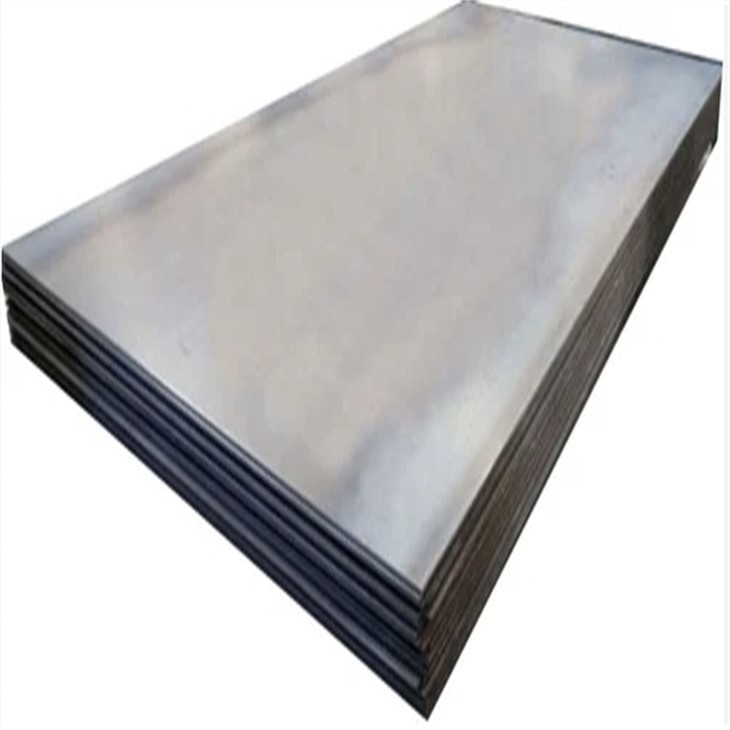

If you are interested in purchasing S355jr low alloy high strength steel plates or have any questions about reducing residual stress, please feel free to contact us for further discussion and negotiation. We are committed to providing you with the best quality products and services.
References
- ASM Handbook Volume 4: Heat Treating. ASM International.
- Welding Handbook, American Welding Society.
- Steel Design Manual, American Institute of Steel Construction.


