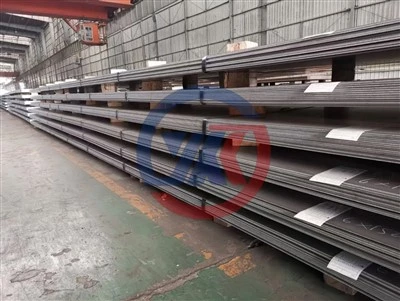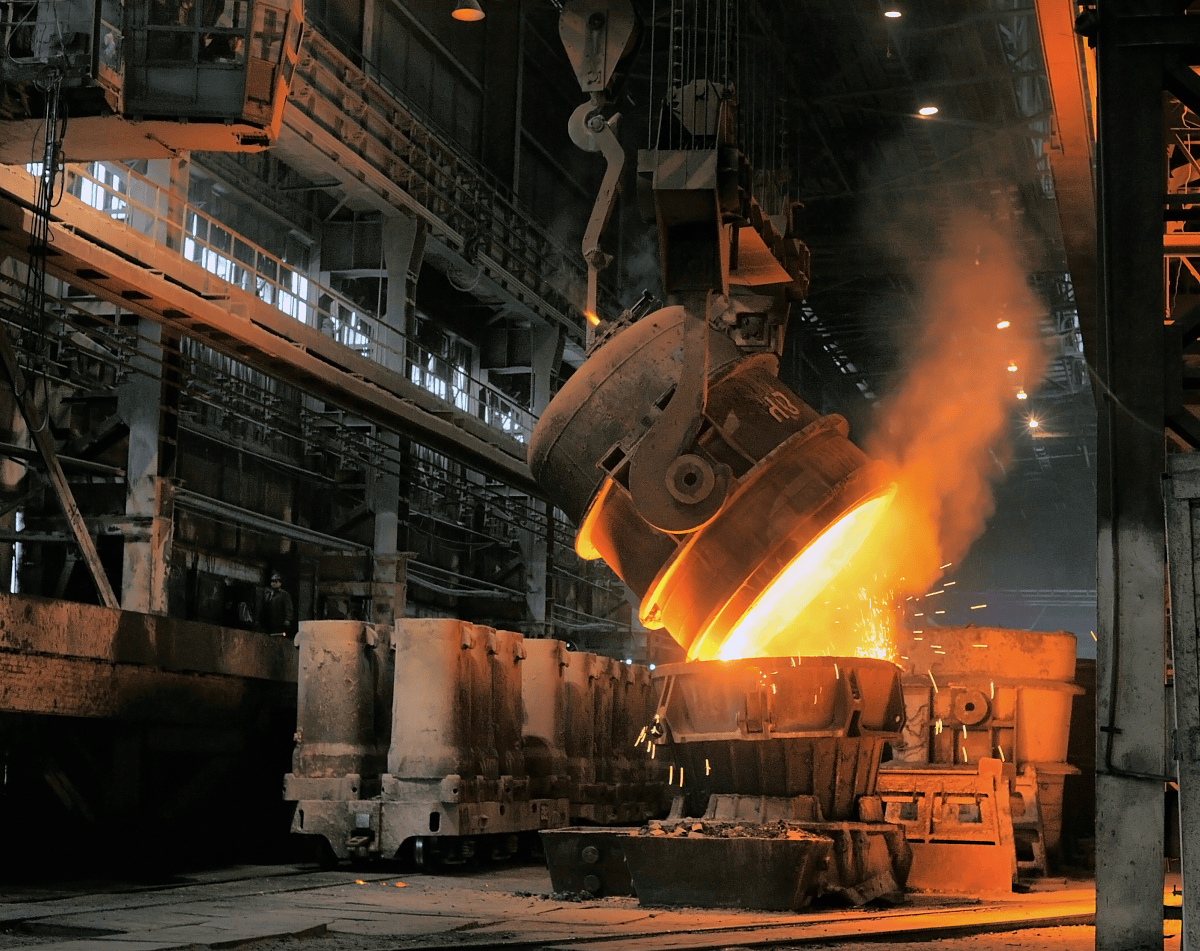
In industrial production, A516 Grade 70 steel plate is a commonly used pressure vessel-specific steel plate widely applied in petroleum, chemical, natural gas, and power sectors. It is primarily used to manufacture containers for storing and transporting various gases and liquids, such as the liquefied gas storage tanks and boiler drums we commonly encounter. Heat treatment of A516 Grade 70 steel plate refers to altering the internal structure of the steel plate through specific heating, holding, and cooling processes. This process endows the steel plate with the required strength, toughness, and weldability to ensure safe and stable operation under complex working conditions.
To put it simply, A516 Grade 70 steel plate is initially produced through hot rolling. However, the post-hot-rolling internal structure is uneven, with coarse grain size and insufficient toughness, making it unsuitable for the stringent demands of pressure vessels. Heat treatment acts like "shaping" the steel plate. By precisely controlling temperature and cooling rates, it optimizes the internal structure, making it stronger and more durable while eliminating internal stresses generated during production.
Method One:Normalizing Treatment
Normalizing Treatment
The core heat treatment process for A516 Grade 70 steel plates is normalizing. This is also a mandatory step for most plates of this grade. The normalizing process itself is not complex.
First, the steel plate is placed in a heating furnace and heated to a high temperature of 890°C to 950°C. This temperature allows the internal structure of the steel plate to fully transform into uniform austenite.
The plate is then held at this temperature for a period to ensure consistent heating from surface to core and uniform microstructure.
Finally, the plate is removed from the furnace and allowed to cool naturally in air.
.
Functions of Normalizing
On one hand, it refines the coarse grains formed during hot rolling, creating a more uniform internal structure. This enhances the plate's strength and ductility, ensuring it can withstand sufficient pressure.
On the other hand, it significantly improves the plate's low-temperature toughness, preventing embrittlement and fracture even in environments below several tens of degrees Celsius. This is crucial for pressure vessels operating in cryogenic conditions.
Typically, A516 Grade 70 steel plates exceeding 40 mm in thickness must undergo normalizing treatment. Even thinner plates require normalizing if they are intended for low-temperature service.
Method Two:Post-Weld Heat Treatment
In addition to normalizing, post-weld heat treatment is also a commonly used heat treatment method for A516 Grade 70 steel plates.
During the welding process, steel plates generate significant residual stresses. If these stresses are not relieved, they can cause cracks in the welded areas, compromising the safety of pressure vessels.
Post-weld heat treatment involves heating the steel plate to 595°C to 650°C after welding, holding it at this temperature for a specified duration, and then slowly cooling it. This process eliminates residual welding stresses, stabilizes the plate dimensions, and improves the toughness of the welded joint, ensuring the welded area is as robust as the base plate material.
Why is heat treatment essential for A516 Grade 70 steel plates?
This requirement is closely tied to their application environment. Pressure vessels endure prolonged exposure to high pressure, extreme temperatures (high or low), and often corrosive media. Failure to meet performance standards can result in severe safety incidents like leaks or explosions. Heat treatment fundamentally ensures industrial safety by optimizing plate properties to meet pressure vessel safety standards.
A516 Grade 70 steel plate heat treatment involves scientifically controlled temperatures and cooling processes to refine the internal structure, eliminate internal stresses, and enhance overall performance. This requires precise control of every process parameter based on plate thickness and application requirements, ensuring the steel plate functions reliably, safely, and stably under complex operating conditions over extended periods.
Should you have any questions regarding the composition or properties of ASTM A516 GR 70 steel plates during procurement, or require assistance in selecting the appropriate specifications for your specific operating conditions, please feel free to contact us. Our professional team will provide you with personalized solutions, ensuring your procurement process is worry-free and your usage is worry-free.