↵
Products Description
A537CL pressure vessel steel plate is a low carbon manganese steel plate used in the manufacture of high temperature resistant pressure vessels.
(1) The American standard SA537 steel plate classification is: SA537CL1/SA537MCL1, SA537CL2/SA537MCL2, SA537CL3/SA537MCL3 is roughly divided into three grades.
(2) Manganese silicon steel plate A537CL2 and A537CL3 are heat treated with heat treatment for pressure vessels, and the American standard (A537/A537M-95) is selected for quenching and tempering delivery, and the A537CL1 is selected for normalizing delivery.
(3) Compliance code: compliance with the American code ASME SA537/SA537M.
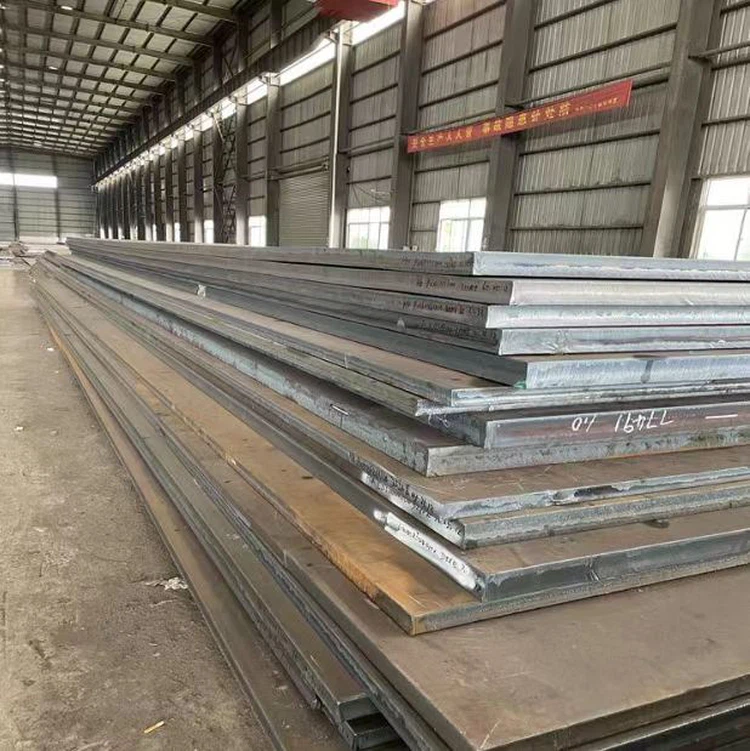
A537CL pressure vessel steel plate features are as follows:
1. Has good high temperature resistance, suitable for high temperature environment pressure vessel manufacturing;
2. Has good tensile strength and yield strength, can be used to manufacture high pressure vessels and pipelines;
3. Good weldability and processing performance.

The application range of A537CL pressure vessel steel plate includes: The application range of A537CL pressure vessel steel plate is mainly to manufacture high temperature pressure vessels, such as high temperature storage tanks, reactors, heat exchangers, separators, towers and other equipment in petroleum, chemical, gas storage and transportation industries. At the same time, A537CL steel plate can also be used to manufacture boilers, pressure vessels and other equipment. Because A537CL steel plate has good high temperature resistance and high strength, it has good stability and reliability under high temperature and high pressure environment.
Common problems in the use of A537CL pressure vessel steel plate include: The following common problems may occur in the use of A537CL pressure vessel steel plate:
1. Corrosion: Because A537CL steel plate is used to manufacture high temperature pressure vessels, the inside of the container is usually high temperature and high pressure gas or liquid, the surface of the container wall is susceptible to corrosion, resulting in corrosion spots or rust on the surface of the steel plate.
2. Fatigue: During the long-term use of the container, due to the influence of cyclic load, fatigue cracks may appear on the surface of the container wall, resulting in the failure of the container.
3. Hydrogen-induced cracking: under high temperature and high pressure environment, the hydrogen inside the container is easy to penetrate into the steel plate, resulting in the formation of hydrogen-induced cracking, which affects the safety performance of the container.
Therefore, when using the A537CL pressure vessel steel plate, it is necessary to pay attention to the surface condition of the steel plate, the load of the container, the penetration of hydrogen, etc., and timely maintenance and overhaul to ensure the safety performance of the container.
Product Picture

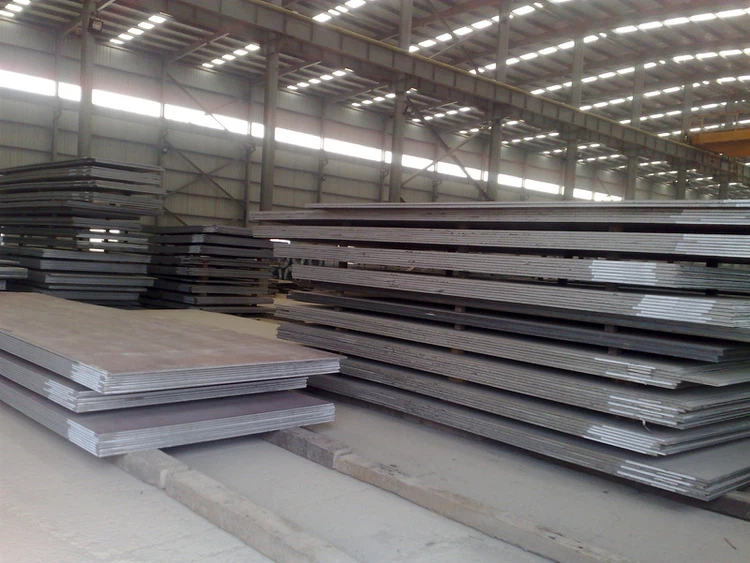
Our factory

factory

factory

factory

factory