Products Description
The thickness range of the pressure vessel plate is generally 5 ~ 200mm, and the period is divided into several thickness specifications. National standards list recommended plate sizes and allowable deviations. Appearance quality (1) The shape of the steel plate: such as sickle bend, flatness, straight Angle, etc. (2) Surface defects: the surface defects of the steel plate are mainly cracks, scars, flattened bubbles, impurities, bubbles, pores, and pressed into the oxide sheet.

Due to the need of safety, the pressure vessel steel plate has strict requirements for surface and internal defects. The above defects are generally not allowed to exist. However, it is allowed to use appropriate methods to remove, and the removal part should be flat. The thickness shall not exceed the allowable thickness difference of the steel plate. Interlayers are also generally not allowed.

Chemical composition Index:
① Carbon steel plate: the main detection of carbon, silicon, manganese, phosphorus, sulfur content. Some carbon steel also contains a certain amount of copper, chromium, nickel, molybdenum, vanadium and other elements. Among them, carbon is the main factor to determine the strength of steel plates, that is, the strength of steel plates increases with the increase of carbon content. The carbon content of carbon steel plate is between 0.16 and 0.33%. Manganese and silicon also have the effect of improving the material and improving the strength. Silicon :0.10 ~ 0.55%, manganese :0.4 ~ 1.6%. Some standards have no silicon and manganese requirements for ordinary boiler plates, and copper is under 0.30%.
The above is the introduction of the size and content of the pressure vessel plate. If you have any questions, please feel free to contact us.
Product Picture

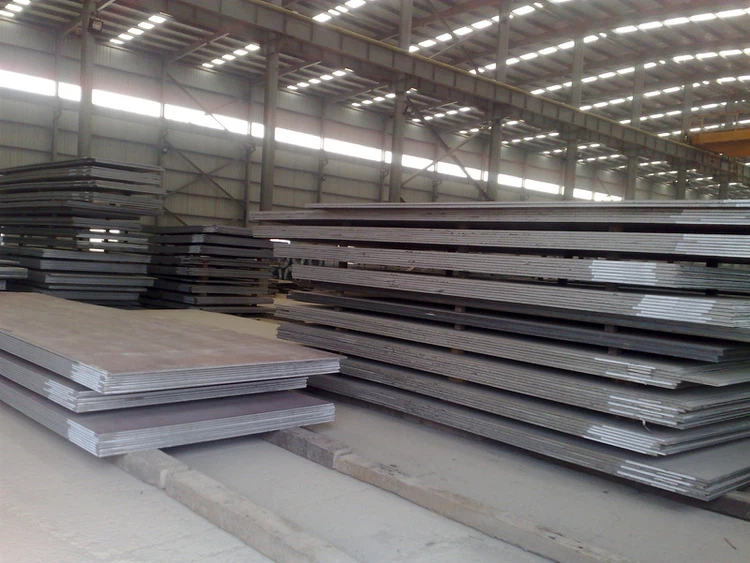
Our factory

factory

factory

factory

factory