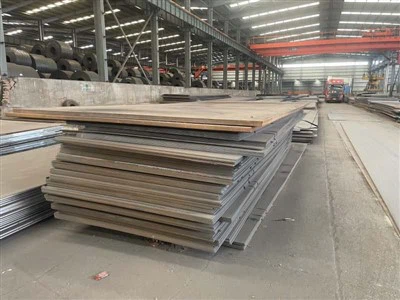
Hey there! As a galvanized steel supplier, I often get asked how galvanized steel stacks up against stainless steel. It's a common question, and for good reason. Both types of steel have their own unique properties, advantages, and disadvantages, and choosing the right one for your project can make a huge difference. So, let's dive in and take a closer look at how these two materials compare.
What is Galvanized Steel?
First off, let's talk about galvanized steel. Galvanized steel is regular steel that has been coated with a layer of zinc to protect it from rust and corrosion. The process of galvanization involves dipping the steel into a bath of molten zinc, which creates a metallurgical bond between the steel and the zinc. This zinc coating acts as a sacrificial layer, meaning it corrodes before the steel does, providing long-lasting protection.
There are two main types of galvanization: hot-dip galvanizing and electro-galvanizing. Hot-dip galvanizing is the most common method and involves immersing the steel in a bath of molten zinc at a temperature of around 450°C. This process creates a thick, durable zinc coating that can provide protection for many years. Electro-galvanizing, on the other hand, involves applying a thin layer of zinc to the steel using an electric current. This method is typically used for smaller parts and components where a thinner coating is required.
At our company, we offer a wide range of galvanized steel products, including Galvanized Steel Sheet Hot Dipped DX51D Z, Z90 Galvanized Steel Coil, and Galvanized Steel Coil Dx54d. These products are made using high-quality steel and are galvanized to provide excellent corrosion resistance.
What is Stainless Steel?
Now, let's move on to stainless steel. Stainless steel is a type of steel that contains at least 10.5% chromium, which gives it its corrosion-resistant properties. When chromium is exposed to oxygen, it forms a thin, invisible layer of chromium oxide on the surface of the steel. This layer acts as a barrier, preventing oxygen and moisture from reaching the steel and causing corrosion.
In addition to chromium, stainless steel may also contain other elements such as nickel, molybdenum, and titanium, which can further enhance its corrosion resistance, strength, and other properties. There are many different grades of stainless steel, each with its own unique composition and properties. Some of the most common grades include 304, 316, and 430.
Stainless steel is widely used in a variety of applications, including construction, automotive, food processing, and medical equipment. It is known for its durability, strength, and aesthetic appeal, and is often used in applications where corrosion resistance is critical.
Comparing Galvanized Steel and Stainless Steel
Now that we have a better understanding of what galvanized steel and stainless steel are, let's compare them in terms of their properties, advantages, and disadvantages.
Corrosion Resistance
One of the most important factors to consider when choosing between galvanized steel and stainless steel is their corrosion resistance. Both materials are designed to resist corrosion, but they do so in different ways.
Galvanized steel provides excellent corrosion resistance thanks to its zinc coating. The zinc coating acts as a sacrificial layer, corroding before the steel does and providing long-lasting protection. However, the zinc coating can eventually wear away over time, especially in harsh environments or if the steel is exposed to abrasive materials.


Stainless steel, on the other hand, provides superior corrosion resistance thanks to its chromium content. The chromium oxide layer on the surface of the steel acts as a barrier, preventing oxygen and moisture from reaching the steel and causing corrosion. Stainless steel is particularly resistant to corrosion in acidic and alkaline environments, making it a popular choice for applications in the chemical and food processing industries.
In general, stainless steel is more corrosion-resistant than galvanized steel, especially in harsh environments. However, galvanized steel can provide adequate corrosion resistance for many applications, especially if it is properly maintained.
Strength and Durability
Another important factor to consider is the strength and durability of the materials. Both galvanized steel and stainless steel are strong and durable, but they have different properties.
Galvanized steel is typically stronger than stainless steel, thanks to its steel core. The zinc coating also adds an extra layer of protection, making the steel more resistant to damage and wear. Galvanized steel is commonly used in construction, automotive, and agricultural applications, where strength and durability are critical.
Stainless steel is also strong and durable, but it is generally not as strong as galvanized steel. However, stainless steel is more resistant to deformation and can maintain its shape and integrity under high stress and pressure. Stainless steel is commonly used in applications where strength and durability are important, but where corrosion resistance is also a key factor.
Cost
Cost is another important factor to consider when choosing between galvanized steel and stainless steel. In general, galvanized steel is less expensive than stainless steel, especially for large-scale projects. The cost of galvanized steel is mainly determined by the cost of the steel itself and the cost of the galvanization process.
Stainless steel, on the other hand, is more expensive than galvanized steel, especially for high-quality grades. The cost of stainless steel is mainly determined by the cost of the raw materials, the manufacturing process, and the grade of the steel.
In general, if cost is a major factor, galvanized steel may be the better choice. However, if corrosion resistance is critical and cost is not a major concern, stainless steel may be the better option.
Aesthetic Appeal
Aesthetic appeal is another factor to consider, especially for applications where the appearance of the material is important. Both galvanized steel and stainless steel have their own unique aesthetic qualities.
Galvanized steel has a distinctive silver-gray appearance, which can add a rustic or industrial look to a project. The zinc coating also gives the steel a slightly rough texture, which can add to its visual appeal. Galvanized steel is commonly used in applications where a rugged or industrial look is desired, such as in construction, automotive, and agricultural applications.
Stainless steel has a sleek, modern appearance, which can add a sophisticated or high-end look to a project. The smooth, shiny surface of stainless steel is easy to clean and maintain, making it a popular choice for applications where hygiene is important, such as in the food processing and medical industries.
In general, if aesthetic appeal is important, stainless steel may be the better choice. However, if a more rustic or industrial look is desired, galvanized steel may be the better option.
Maintenance
Finally, it's important to consider the maintenance requirements of the materials. Both galvanized steel and stainless steel require some maintenance to keep them looking their best and to ensure their long-term performance.
Galvanized steel requires minimal maintenance, as the zinc coating provides long-lasting protection against corrosion. However, the zinc coating can eventually wear away over time, especially in harsh environments or if the steel is exposed to abrasive materials. If the zinc coating is damaged, it should be repaired or replaced to prevent corrosion.
Stainless steel also requires minimal maintenance, as the chromium oxide layer on the surface of the steel provides excellent corrosion resistance. However, stainless steel can stain or discolor over time, especially if it is exposed to certain chemicals or substances. To keep stainless steel looking its best, it should be cleaned regularly using a mild detergent and a soft cloth.
In general, both galvanized steel and stainless steel are relatively low-maintenance materials. However, stainless steel may require more frequent cleaning and maintenance to keep it looking its best.
Conclusion
So, which is better: galvanized steel or stainless steel? The answer depends on your specific needs and requirements. Both materials have their own unique properties, advantages, and disadvantages, and choosing the right one for your project can make a huge difference.
If cost is a major factor and you need a material that provides adequate corrosion resistance for your application, galvanized steel may be the better choice. Galvanized steel is less expensive than stainless steel and can provide long-lasting protection against corrosion if it is properly maintained.
If corrosion resistance is critical and cost is not a major concern, stainless steel may be the better option. Stainless steel is more corrosion-resistant than galvanized steel, especially in harsh environments, and can provide superior performance and durability over the long term.
At our company, we offer a wide range of galvanized steel products that are designed to meet the needs of our customers. Whether you need a material for construction, automotive, or agricultural applications, we have the right product for you. If you have any questions or need help choosing the right material for your project, please don't hesitate to contact us. We're here to help you make the best decision for your needs.
References
- ASM Handbook Committee. (2004). ASM Handbook, Volume 13A: Corrosion: Fundamentals, Testing, and Protection. ASM International.
- Kucharski, R. (2017). Handbook of Corrosion Data, Third Edition. McGraw-Hill Education.
- Metals Handbook Committee. (1990). Metals Handbook, Volume 1: Properties and Selection: Irons, Steels, and High-Performance Alloys. ASM International.