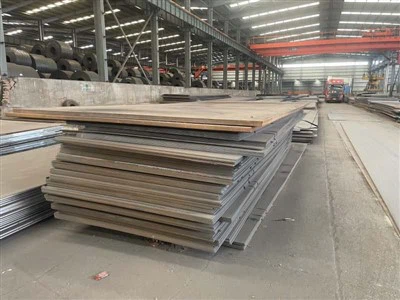
As a supplier of Zinc-Plated Steel, I've been asked a lot about how the zinc layer on zinc-plated steel affects the heat transfer of the steel. It's a fascinating topic, and I'm excited to share my insights with you.
First off, let's talk about what zinc-plated steel is. Zinc-plating is a process where a thin layer of zinc is applied to the surface of steel. This is done mainly to prevent corrosion. Steel is prone to rusting when it comes into contact with moisture and oxygen, and the zinc layer acts as a sacrificial anode. That means the zinc corrodes instead of the steel, keeping the steel protected.
Now, let's get into the heat transfer part. Heat transfer occurs in three main ways: conduction, convection, and radiation. In the context of zinc-plated steel, conduction is the most relevant. Conduction is the transfer of heat through a material due to a temperature difference.
The zinc layer on zinc-plated steel can have a significant impact on heat conduction. Zinc has a different thermal conductivity compared to steel. Thermal conductivity is a measure of how well a material can conduct heat. Generally, zinc has a higher thermal conductivity than steel. This means that in theory, the zinc layer could enhance the heat transfer rate of the steel.
However, it's not that simple. The thickness of the zinc layer plays a crucial role. If the zinc layer is very thin, its effect on heat transfer might be negligible. But if the layer is thick enough, it can start to influence the overall heat transfer properties of the zinc-plated steel.
Let's consider a practical example. Imagine you're using zinc-plated steel in a heat exchanger. The heat exchanger is designed to transfer heat from one fluid to another. The zinc layer on the steel could potentially improve the efficiency of the heat transfer. But if the zinc layer is too thick, it might also act as an insulating layer in some cases. This is because the zinc layer has its own resistance to heat flow, and if it's too thick, it can slow down the heat transfer process.
Another factor to consider is the quality of the zinc coating. A well - applied zinc layer will have a more uniform thickness and better adhesion to the steel. This can lead to more consistent heat transfer properties. On the other hand, a poorly applied zinc layer with uneven thickness or poor adhesion might cause local variations in heat transfer, which could be a problem in applications where uniform heat transfer is crucial.


Now, let's talk about some real - world applications. In the automotive industry, zinc-plated steel is widely used for body panels. The heat transfer properties of the zinc-plated steel can affect the performance of the vehicle's cooling system. If the heat transfer is not efficient, it could lead to overheating of the engine or other components.
In the construction industry, zinc-plated steel is used for roofing and structural elements. The heat transfer properties of the zinc-plated steel can impact the energy efficiency of a building. For example, in a hot climate, a zinc-plated steel roof that can transfer heat effectively can help keep the building cooler, reducing the need for air - conditioning.
If you're interested in learning more about related products, you can check out our Prepainted Steel Coil and Dx51d Galvanized Steel Coil. These products offer different features and can be used in a variety of applications.
As a supplier of Zinc-Plated Steel, I understand that every customer has unique requirements. Whether you're looking for a specific thickness of the zinc layer for optimal heat transfer or a particular application, we can work with you to find the best solution. If you're in the market for high - quality zinc-plated steel, feel free to reach out to discuss your needs. We're here to help you make the right choice for your project.
References
- "Thermal Properties of Metals and Alloys" - A comprehensive book on the thermal conductivity of different metals, including zinc and steel.
- "Corrosion Protection of Steel by Zinc Coating" - This research paper delves into the science behind zinc - plating and its impact on steel's properties, including heat transfer.