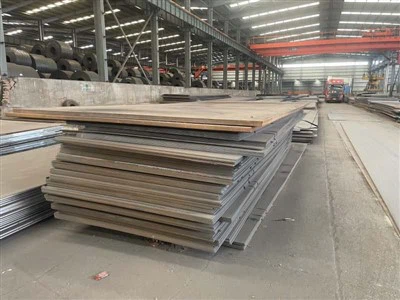
Hey there! As a supplier of S355jr Low Alloy High Strength Steel Plate, I've seen my fair share of accidents during the handling process. It's super important to prevent these mishaps not only for the safety of the workers but also to keep the quality of the steel plates intact. In this blog, I'm gonna share some tips on how to prevent accidents when handling S355jr low alloy high strength steel plate.
Understanding S355jr Low Alloy High Strength Steel Plate
Before we jump into the prevention measures, let's quickly go over what S355jr Low Alloy High Strength Steel Plate is. This type of steel plate is known for its high strength and good weldability. It's widely used in various industries such as construction, machinery, and shipbuilding. You can find more detailed information about it here: S355jr Low Alloy High Strength Steel Plate.


Pre - Handling Preparation
First things first, proper preparation is key. Before handling the steel plates, make sure the work area is clean and free of any obstacles. Check the floor for any uneven surfaces or debris that could cause someone to trip or fall. Also, ensure that all the handling equipment, like cranes, forklifts, and slings, is in good working condition. Regular maintenance and inspections of the equipment are a must. This not only reduces the risk of mechanical failures but also ensures the safety of the operators.
Another important aspect of preparation is training. All workers involved in handling the steel plates should receive thorough training. They need to know how to use the equipment correctly, how to lift the plates safely, and what to do in case of an emergency. Training should be updated regularly to keep up with the latest safety standards.
Safe Lifting Practices
Lifting S355jr steel plates can be a tricky business. It's crucial to use the right lifting equipment. For example, slings should be of the appropriate length and strength to handle the weight of the plates. When attaching the slings to the plates, make sure they are properly hooked and centered to prevent the plate from tipping or sliding during lifting.
If you're using a crane, the operator should be well - trained and experienced. The crane's load capacity should be checked before every lift to ensure it can handle the weight of the steel plate. The lift should be slow and steady, and the operator should keep an eye on the plate's movement at all times.
Storage
Proper storage is also essential for preventing accidents. S355jr steel plates should be stored in a dry and well - ventilated area to prevent rusting. The storage racks should be sturdy and able to support the weight of the plates. The plates should be stacked in an orderly manner, with the heavier plates at the bottom. This helps to prevent the stack from collapsing.
When removing a plate from the stack, make sure to use the correct procedure. Don't try to pull a plate from the middle of the stack, as this could cause the whole stack to topple over. Instead, remove the plates from the top or the side in a controlled manner.
Comparison with Other Types of Steel Plates
It can be helpful to compare S355jr with other types of steel plates to understand its unique handling requirements. For example, A36 Steel is a common carbon steel. While it has similar handling principles, S355jr has higher strength, which means it might be heavier and require more robust handling equipment.
ASTM A283Grade C(A283GRC) Carbon Steel Plate is another type. It has different mechanical properties compared to S355jr, and thus, the handling techniques may vary slightly.
A572 Grade 50 Steel Plate is a high - strength low - alloy steel like S355jr. However, each type may have unique characteristics in terms of surface finish, hardness, etc., which should be considered during handling.
Similarly, A516 Grade 70 Plate, which is often used in pressure vessels, has its own set of handling requirements, and understanding these differences can help in preventing accidents.
Personal Protective Equipment (PPE)
Workers must wear the appropriate personal protective equipment at all times. This includes safety helmets to protect against head injuries in case something falls, safety glasses to protect the eyes from flying debris, and steel - toed boots to prevent foot injuries from heavy objects. Gloves are also necessary to provide a better grip on the plates and to protect the hands from cuts and abrasions.
Emergency Preparedness
Even with all the preventive measures in place, accidents can still happen. That's why it's important to have an emergency plan in place. The work area should be equipped with first - aid kits, and all workers should know how to use them. There should also be clear evacuation routes, and regular fire drills and emergency response training should be conducted.
Weather Considerations
Weather can have a significant impact on the handling of S355jr steel plates. In rainy or snowy conditions, the plates can become slippery, increasing the risk of falls. In such cases, it's important to take extra precautions. This could include using anti - slip pads on the plates and on the floors of the work area. In hot weather, workers should be provided with ample water and rest breaks to prevent heat - related illnesses.
Conclusion
Preventing accidents when handling S355jr low alloy high strength steel plate requires a combination of proper preparation, safe handling practices, appropriate storage, and the use of personal protective equipment. By following these tips, you can significantly reduce the risk of accidents and ensure a safe working environment.
If you're in the market for high - quality S355jr Low Alloy High Strength Steel Plate or have any questions about its handling and usage, feel free to reach out for a procurement discussion. I'm here to help you get the best products and ensure a smooth process.
References
- "Steel Plate Handling and Safety Guidelines", Industry Safety Association
- "Properties of Low - Alloy High - Strength Steels", Metallurgy Research Institute