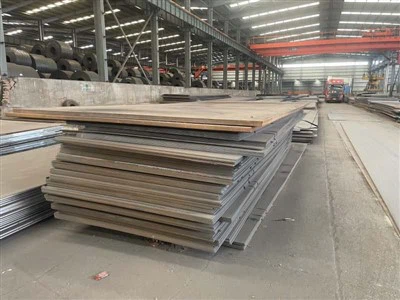
As a supplier of DVN D40 Shipbuilding Steel Plate, I'm often asked about the tensile strength of this remarkable material. Tensile strength is a crucial property in the field of shipbuilding, as it determines the ability of the steel plate to withstand pulling forces without breaking. In this blog post, I'll delve into the details of the tensile strength of DVN D40 Shipbuilding Steel Plate, its significance, and how it compares to other shipbuilding steel plates.


Understanding Tensile Strength
Tensile strength is defined as the maximum stress that a material can withstand while being stretched or pulled before it breaks. It is typically measured in megapascals (MPa) or pounds per square inch (psi). In the context of shipbuilding, high tensile strength is essential because ships are subjected to a variety of forces, including waves, wind, and the weight of cargo. A steel plate with high tensile strength can better resist these forces, ensuring the structural integrity and safety of the vessel.
Tensile Strength of DVN D40 Shipbuilding Steel Plate
The DVN D40 Shipbuilding Steel Plate is known for its excellent mechanical properties, including high tensile strength. According to industry standards, the minimum tensile strength of DVN D40 steel plate is 490 - 620 MPa. This range indicates that the steel plate can withstand a significant amount of pulling force before reaching its breaking point.
The high tensile strength of DVN D40 is achieved through a combination of careful alloying and advanced manufacturing processes. The steel is alloyed with elements such as manganese, silicon, and small amounts of other elements to enhance its strength and toughness. Additionally, the manufacturing process involves controlled rolling and heat treatment, which further refine the steel's microstructure and improve its mechanical properties.
Significance of Tensile Strength in Shipbuilding
In shipbuilding, the tensile strength of steel plates plays a vital role in several aspects:
- Structural Integrity: A ship's hull is subjected to various stresses during its operation. High tensile strength steel plates ensure that the hull can withstand these stresses without cracking or failing. This is crucial for the safety of the ship and its crew.
- Load - Bearing Capacity: Ships carry heavy loads of cargo, fuel, and equipment. The tensile strength of the steel plates used in the ship's construction determines how much weight the ship can safely carry. Higher tensile strength allows for the design of ships with greater load - bearing capacity.
- Resistance to Fatigue: Ships are constantly exposed to dynamic loads, such as waves and vibrations. These loads can cause fatigue in the steel plates over time. Steel plates with high tensile strength are more resistant to fatigue, reducing the risk of structural failure due to repeated loading.
Comparison with Other Shipbuilding Steel Plates
To better understand the performance of DVN D40 Shipbuilding Steel Plate, it's useful to compare its tensile strength with that of other commonly used shipbuilding steel plates:
- FH32 Shipbuilding Steel Plate: The FH32 Shipbuilding Steel Plate has a minimum tensile strength of 490 - 620 MPa, which is the same as DVN D40. Both plates are suitable for use in the construction of ships where high strength is required.
- EH40 Shipbuilding Steel Plate: The EH40 Shipbuilding Steel Plate has a higher minimum tensile strength, ranging from 510 - 660 MPa. This makes it even more suitable for applications where extreme strength is needed, such as in the construction of large - scale vessels operating in harsh environments.
- ABS AH32 DH32 EH36 Shipbuilding Steel Plate: The ABS AH32 DH32 EH36 Shipbuilding Steel Plate has different tensile strength ranges depending on the grade. For example, AH32 has a minimum tensile strength of 400 - 520 MPa, which is lower than that of DVN D40.
- ABS Grade B Shipbuilding Steel Plate: The ABS Grade B Shipbuilding Steel Plate has a relatively lower minimum tensile strength of 340 MPa. It is typically used in less demanding shipbuilding applications.
- DH32 Shipbuilding Steel Plate: The DH32 Shipbuilding Steel Plate has a minimum tensile strength of 490 - 620 MPa, similar to DVN D40. It is often used in the construction of ships where high strength and good low - temperature toughness are required.
Factors Affecting Tensile Strength
Several factors can affect the tensile strength of DVN D40 Shipbuilding Steel Plate:
- Chemical Composition: As mentioned earlier, the alloying elements in the steel play a significant role in determining its strength. The precise control of the chemical composition during the steel - making process is essential to achieve the desired tensile strength.
- Manufacturing Process: The rolling and heat - treatment processes have a profound impact on the steel's microstructure and mechanical properties. Proper control of these processes can result in a more uniform and finer - grained microstructure, which improves the tensile strength.
- Temperature: The temperature at which the steel is used can also affect its tensile strength. Generally, steel becomes weaker at higher temperatures and more brittle at lower temperatures. However, DVN D40 is designed to maintain its strength and toughness within a wide range of temperatures, making it suitable for use in various marine environments.
Quality Assurance
As a supplier of DVN D40 Shipbuilding Steel Plate, we understand the importance of quality assurance. We ensure that our steel plates meet all relevant industry standards and specifications. Our quality control process includes strict chemical and mechanical testing of each batch of steel plates. We also have a comprehensive documentation system that allows us to trace the origin and quality of every steel plate we supply.
Conclusion
The tensile strength of DVN D40 Shipbuilding Steel Plate, ranging from 490 - 620 MPa, makes it an excellent choice for shipbuilding applications. Its high strength, combined with good toughness and other mechanical properties, ensures the structural integrity and safety of ships. Whether you're building a small coastal vessel or a large - scale ocean - going ship, DVN D40 can meet your requirements.
If you're in the market for high - quality shipbuilding steel plates, we invite you to contact us for more information and to discuss your specific needs. Our team of experts is ready to provide you with professional advice and support to help you make the best choice for your shipbuilding project.
References
- Shipbuilding Steel Standards Handbook
- ASTM International Standards for Structural Steel
- Classification Society Rules for Ship Construction