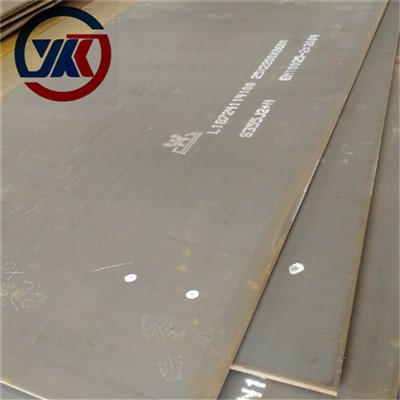
As a Corten steel supplier, I've seen firsthand how pollutants can have a significant impact on this unique material. Corten steel, also known as weathering steel, is famous for its ability to develop a protective rust - like patina over time. But pollutants in the environment can mess with this natural process and have various effects on the steel.
Air Pollutants
One of the most common types of pollutants that affect Corten steel is air pollutants. These include sulfur dioxide (SO₂), nitrogen oxides (NOₓ), and particulate matter.
Sulfur dioxide is often released from industrial processes, like burning fossil fuels in power plants and factories. When SO₂ combines with moisture in the air, it forms sulfuric acid. This acid can eat away at the protective patina on Corten steel. Instead of the slow, controlled formation of a stable patina, the steel can start to corrode more rapidly. The surface becomes uneven, and the long - term integrity of the steel may be compromised.
Nitrogen oxides, which are produced by vehicle exhausts and industrial combustion, can also cause problems. They react with water in the atmosphere to form nitric acid. This acid can break down the patina and make the steel more vulnerable to further corrosion. Particulate matter, such as dust and soot, can settle on the surface of the steel. These particles can hold moisture against the steel, creating a micro - environment where corrosion can occur more easily.
In areas with high levels of air pollution, Corten steel structures may need more maintenance. The patina may not develop as evenly as in cleaner environments, and the steel might lose its aesthetic appeal. For example, if you're using Corten steel for an outdoor sculpture or a building facade, the uneven corrosion can make it look less attractive.
Water Pollutants
Water is another medium through which pollutants can affect Corten steel. When water contains high levels of salts, heavy metals, or acids, it can have a detrimental impact on the steel.


Salty water, such as seawater, is a major concern. Chloride ions in seawater can penetrate the protective patina of Corten steel. Once inside, these ions can disrupt the normal corrosion process and cause pitting corrosion. Pitting is a form of localized corrosion where small holes form on the surface of the steel. Over time, these pits can deepen and weaken the steel, making it more likely to fail.
Heavy metals like lead, mercury, and cadmium can also be present in polluted water. These metals can react with the steel and change the chemical composition of the patina. This can lead to a less stable and less protective layer, increasing the rate of corrosion.
Acidic water, which can result from acid rain or industrial waste runoff, can dissolve the patina on Corten steel. This exposes the underlying steel to further corrosion. If the pH of the water is too low, the steel can corrode at an accelerated rate, and the structural integrity of the steel can be at risk.
Soil Pollutants
When Corten steel is in contact with soil, pollutants in the soil can also have an impact. Contaminated soil may contain chemicals such as pesticides, fertilizers, and heavy metals.
Pesticides and fertilizers can alter the chemical environment around the steel. Some of these chemicals can react with the steel and prevent the formation of a proper patina. For example, certain pesticides may contain compounds that inhibit the oxidation process that forms the patina. This can lead to a less protective layer on the steel and make it more susceptible to corrosion.
Heavy metals in the soil can also be a problem. Similar to in water, heavy metals can react with the steel and change the nature of the patina. This can result in a less effective protective layer and more rapid corrosion.
The Impact on Different Corten Steel Products
Different Corten steel products can be affected differently by pollutants. For example, Carbon Structure Steel Round Bar is often used in construction and engineering applications. Pollutants can weaken the bar, reducing its strength and durability. If the bar is used in a load - bearing structure, the corrosion caused by pollutants can pose a safety risk.
Carbon Steel Sheet is commonly used for roofing, siding, and other building applications. Pollutants can cause the sheet to corrode unevenly, leading to leaks and aesthetic issues. The appearance of the building can be negatively affected, and the lifespan of the sheet may be shortened.
355J2WP Steel Plate, which is a type of European - standard weathering steel, is also at risk. Pollutants can affect the plate's ability to form a stable patina, and the corrosion can spread across the surface. This can reduce the plate's resistance to environmental factors and its overall performance.
Dealing with Pollutant Effects
As a Corten steel supplier, I understand the importance of helping customers deal with the effects of pollutants. One way is to provide proper surface treatment before installation. This can include applying a primer or a protective coating that can resist the effects of pollutants.
Regular inspection and maintenance are also crucial. By checking the steel regularly, any signs of corrosion can be detected early, and appropriate measures can be taken. For example, if pitting corrosion is detected, the affected area can be repaired or treated to prevent further damage.
In some cases, it may be necessary to choose a different location for the Corten steel structure. If an area has high levels of pollutants, moving the structure to a cleaner environment can help reduce the impact of pollutants.
Contact for Purchase and Consultation
If you're interested in purchasing Corten steel products, whether it's Carbon Structure Steel Round Bar, Carbon Steel Sheet, or S355J2WP Steel Plate, I'm here to assist you. We can discuss how to protect your Corten steel from pollutants and ensure that you get the best - quality products for your needs. Don't hesitate to reach out for more information and to start a purchase negotiation.
References
- Smith, J. (2018). "The Effects of Environmental Pollutants on Metal Corrosion". Journal of Material Science.
- Johnson, A. (2019). "Weathering Steel: Properties and Performance in Polluted Environments". Construction Materials Review.