Can Corten Steel be used in agricultural structures?
In the realm of agricultural construction, the choice of materials is crucial for ensuring the durability, functionality, and cost - effectiveness of structures. Corten steel, also known as weathering steel, has emerged as a potential candidate for various agricultural applications. As a Corten steel supplier, I have witnessed firsthand the growing interest in this material for agricultural use. In this blog, we will explore whether Corten steel can indeed be used in agricultural structures, examining its properties, advantages, and potential challenges.
Properties of Corten Steel
Corten steel is a group of steel alloys that were developed to eliminate the need for painting and to form a stable rust - like appearance over time. This weathering effect is a result of the alloying elements such as copper, chromium, nickel, and phosphorus. These elements react with the atmosphere to form a protective layer of rust that adheres to the surface of the steel, preventing further corrosion.


One of the key properties of Corten steel is its high resistance to atmospheric corrosion. This makes it suitable for outdoor applications where it is exposed to the elements. In agricultural settings, structures are often subject to harsh weather conditions, including rain, snow, and sunlight. Corten steel's ability to withstand these conditions without significant degradation makes it an attractive option.
Another important property is its strength. Corten steel has a high yield strength, which means it can support heavy loads. This is particularly important for agricultural structures such as barns, silos, and storage facilities, which need to be able to hold large amounts of equipment, livestock, or crops.
Advantages of Using Corten Steel in Agricultural Structures
Durability
As mentioned earlier, Corten steel's resistance to corrosion gives it a long lifespan. In an agricultural environment, where structures may be exposed to moisture, fertilizers, and other corrosive substances, the durability of Corten steel can significantly reduce maintenance costs over time. Unlike traditional steel, which may require regular painting and rust removal, Corten steel forms a self - protecting layer that minimizes the need for such maintenance.
Aesthetic Appeal
The unique rust - like appearance of Corten steel can add a rustic and industrial look to agricultural structures. This aesthetic can be particularly appealing for farms that are looking to create a distinct visual identity or for those that want to blend in with the natural surroundings. The changing color of the steel over time as it weathers can also create an interesting visual effect.
Cost - Effectiveness
Although the initial cost of Corten steel may be slightly higher than that of regular steel, its long - term cost - effectiveness is often greater. The reduced maintenance requirements and longer lifespan mean that over the life of the structure, the overall cost can be lower. Additionally, the strength of Corten steel may allow for the use of less material, further reducing costs.
Versatility
Corten steel can be fabricated into a variety of shapes and sizes, making it suitable for different types of agricultural structures. It can be used for framing, roofing, siding, and even for the construction of specialized equipment. For example, it can be used to build large - scale barns, small storage sheds, or even livestock pens.
Applications of Corten Steel in Agricultural Structures
Barns and Storage Facilities
Barns are essential for storing equipment, feed, and crops. Corten steel can be used for the structural frame of the barn, providing the necessary strength to support the roof and walls. The weather - resistant properties of Corten steel ensure that the barn can withstand the elements and protect the contents inside. Additionally, the aesthetic appeal of Corten steel can make the barn a more visually appealing part of the farm.
Silos
Silos are used for storing grain and other agricultural products. Corten steel's corrosion resistance is particularly important in silos, as the stored products can release moisture and other corrosive substances. The strength of Corten steel allows for the construction of tall and large - capacity silos, which can hold significant amounts of grain.
Fencing
Corten steel can be used to create durable and attractive fencing for livestock. The self - protecting layer of rust on the steel makes it resistant to corrosion, even in areas with high humidity or where the fence may come into contact with manure or other agricultural by - products. The unique appearance of Corten steel fencing can also enhance the overall look of the farm.
Greenhouses
In greenhouses, Corten steel can be used for the frame and support structures. The high strength of the steel allows for the construction of large - scale greenhouses, while its corrosion resistance ensures that the structure can withstand the moist environment inside the greenhouse.
Potential Challenges
While Corten steel has many advantages for agricultural structures, there are also some potential challenges to consider.
Initial Appearance
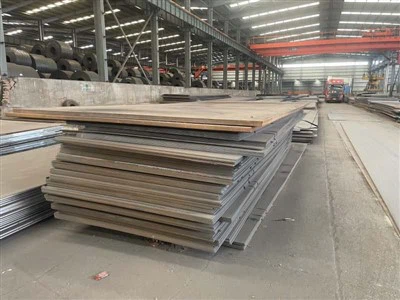
The initial appearance of Corten steel can be somewhat unappealing, as it may look dull and grey before the weathering process begins. This may be a concern for some farmers who are looking for an immediate aesthetic effect. However, with time, the steel will develop its characteristic rust - like appearance.
Installation Requirements
Corten steel requires proper installation to ensure its performance. The joints and connections need to be carefully designed and installed to prevent water from pooling, which can lead to accelerated corrosion. Additionally, the steel should be handled and stored properly before installation to avoid damage to the surface.
Compatibility with Other Materials
When using Corten steel in combination with other materials, such as wood or concrete, it is important to consider the compatibility of the materials. Some materials may react with Corten steel, leading to corrosion or other issues.
Sourcing Corten Steel for Agricultural Structures
As a Corten steel supplier, we offer a wide range of Corten steel products that are suitable for agricultural structures. Our S355J0WP Corten Steel Plate is a high - quality option that meets European standards. It has excellent corrosion resistance and strength, making it ideal for various agricultural applications.
We also have Q235NHB Corten Steel Manufacturer's Bulk Stock, which is a cost - effective choice for large - scale agricultural projects. This steel is manufactured to national standards and offers good performance in terms of corrosion resistance and durability.
For more information on the applications of Corten steel in different industries, including agriculture, you can visit our Weathering Steel Application page.
Conclusion
In conclusion, Corten steel can be a viable option for agricultural structures. Its properties of corrosion resistance, strength, and aesthetic appeal make it suitable for a variety of applications, from barns and silos to fencing and greenhouses. While there are some potential challenges, proper installation and maintenance can help overcome these issues.
If you are considering using Corten steel for your agricultural structures, we encourage you to contact us for more information and to discuss your specific requirements. Our team of experts can provide you with the guidance and support you need to make the right choice for your project.
References
- ASTM International. Standard Specification for High - Strength Low - Alloy Structural Steel with Atmospheric Corrosion Resistance.
- Steel Construction Institute. Weathering Steel: A Guide to its Specification and Use.
- Agricultural Engineering Handbook. American Society of Agricultural and Biological Engineers.