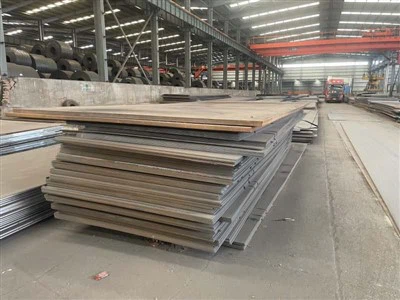
When it comes to tool steel, turning parameters play a crucial role in achieving the best results. As a tool steel supplier, I've seen firsthand how the right turning parameters can make or break a project. In this blog, I'll share some insights into the key turning parameters for tool steel and how they can impact your machining operations.
Understanding Tool Steel
Before we dive into the turning parameters, let's quickly go over what tool steel is. Tool steel is a type of alloy steel that's designed to be used in the manufacturing of tools. It's known for its high hardness, wear resistance, and toughness, which makes it ideal for applications like cutting, stamping, and forming. There are different types of tool steel, each with its own unique properties and applications. For example, Cr12Mo1V1 Tool Steel is a high-carbon, high-chromium alloy steel that's often used for making dies and molds. 2311 Mold Steel is another popular choice for mold making, offering good machinability and polishability. And DC53 Tool Steel is a high-performance tool steel that's known for its excellent toughness and wear resistance.
Key Turning Parameters
Now, let's talk about the key turning parameters for tool steel. These parameters include cutting speed, feed rate, depth of cut, and tool geometry. Each of these parameters can have a significant impact on the machining process, so it's important to understand how they work and how to optimize them for your specific application.
Cutting Speed
Cutting speed is the speed at which the cutting tool moves relative to the workpiece. It's typically measured in surface feet per minute (SFM) or meters per minute (m/min). The cutting speed you choose will depend on several factors, including the type of tool steel, the hardness of the material, and the type of cutting tool you're using. Generally speaking, harder tool steels require lower cutting speeds to prevent excessive tool wear and heat generation. For example, when turning Cr12Mo1V1 Tool Steel, you might want to use a cutting speed of around 30-60 SFM, depending on the specific conditions.
Feed Rate
Feed rate is the rate at which the cutting tool advances into the workpiece. It's typically measured in inches per revolution (IPR) or millimeters per revolution (mm/rev). The feed rate you choose will depend on the cutting speed, the depth of cut, and the type of tool steel. A higher feed rate can increase productivity, but it can also lead to increased tool wear and poor surface finish. On the other hand, a lower feed rate can result in a better surface finish, but it can also reduce productivity. When turning tool steel, it's important to find the right balance between feed rate and cutting speed to achieve the best results.


Depth of Cut
Depth of cut is the thickness of the material that's removed in a single pass of the cutting tool. It's typically measured in inches or millimeters. The depth of cut you choose will depend on the cutting speed, the feed rate, and the type of tool steel. A larger depth of cut can increase productivity, but it can also put more stress on the cutting tool and the workpiece. A smaller depth of cut can result in a better surface finish, but it can also increase the number of passes required to complete the machining process. When turning tool steel, it's important to choose a depth of cut that's appropriate for the specific application.
Tool Geometry
Tool geometry refers to the shape and dimensions of the cutting tool. It includes factors like the rake angle, clearance angle, and cutting edge radius. The tool geometry you choose will depend on the type of tool steel, the cutting speed, the feed rate, and the depth of cut. A well-designed tool geometry can improve the cutting performance and reduce tool wear. For example, a positive rake angle can reduce the cutting force and improve the chip flow, while a negative rake angle can increase the tool's strength and durability.
Optimizing Turning Parameters
To optimize the turning parameters for tool steel, it's important to consider the specific requirements of your application. Here are some tips to help you get the best results:
- Understand the material: Different types of tool steel have different properties, so it's important to understand the specific characteristics of the material you're working with. This will help you choose the right cutting speed, feed rate, depth of cut, and tool geometry.
- Use the right cutting tool: The type of cutting tool you use will have a significant impact on the machining process. Make sure you choose a cutting tool that's designed for the specific type of tool steel you're working with. For example, carbide cutting tools are often a good choice for turning tool steel because they offer high hardness and wear resistance.
- Monitor the machining process: It's important to monitor the machining process to ensure that the turning parameters are working properly. This includes checking the surface finish, the tool wear, and the cutting forces. If you notice any issues, you can adjust the turning parameters accordingly.
- Experiment with different parameters: Don't be afraid to experiment with different turning parameters to find the best combination for your application. You can start by using the recommended parameters for the specific type of tool steel and then make adjustments based on your experience and the results you're getting.
Conclusion
In conclusion, the turning parameters for tool steel are an important factor in achieving the best results in machining operations. By understanding the key turning parameters and optimizing them for your specific application, you can improve the cutting performance, reduce tool wear, and achieve a better surface finish. As a tool steel supplier, I'm here to help you choose the right tool steel and provide you with the support and guidance you need to get the best results. If you have any questions or need more information, please don't hesitate to contact me. We can discuss your specific requirements and work together to find the best solution for your project.
References
- ASM Handbook Volume 1: Properties and Selection: Irons, Steels, and High-Performance Alloys
- Machining Data Handbook, 4th Edition