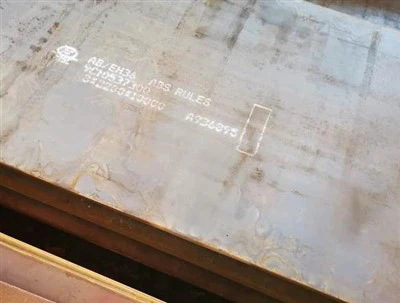
With the rapid advancement of infrastructure development, bridge engineering has assumed a pivotal role in highway, railway, and urban transportation systems. Traditional bridge structures predominantly utilize ordinary carbon steel, requiring periodic anti-corrosion coating or maintenance to withstand environmental corrosion. In recent years, weathering steel-which combines corrosion resistance with excellent structural properties-has gained widespread adoption in the bridge industry.
I. Key Advantages of Weathering Steel
1. Superior Corrosion Resistance
The defining characteristic of weathering steel is its ability to form a dense, stable rust protective layer on its surface. This layer prevents further oxidation of the underlying steel, extending the structure's lifespan. Unlike conventional steel requiring repainting every few years, weathering steel requires essentially no maintenance for over 50 years in most natural environments.
This property is crucial for bridge structures. Bridges are often located in humid, windy, or saline environments where conventional steel corrodes rapidly. Weathering steel significantly reduces the economic and time costs of later maintenance.
2. Good Mechanical Properties and Weldability
Weathering steel not only possesses corrosion resistance but also exhibits superior strength and toughness compared to ordinary carbon steel. Typically, weathering steel exhibits a yield strength approximately 20% higher than ordinary steel. This allows for lighter, thinner structural designs under equivalent load conditions. Additionally, its excellent weldability and workability facilitate on-site construction.
Lighter steel structures not only reduce material consumption but also lower transportation and hoisting costs, enhancing overall project economics.
3. Unique Aesthetic Effect
Weathering steel develops a natural, warm rust patina that gradually stabilizes over time, creating an aesthetically pleasing visual effect. This naturally rusted yet corrosion-resistant property allows it to harmoniously integrate with the environment in landscape bridge settings without artificial coatings, enhancing architectural beauty.
4. Contributes to Sustainable Development
Weathering steel reduces the need for coatings, avoiding pollutants from aging paint layers. It also minimizes traffic closures and energy consumption during maintenance, making it an environmentally friendly choice.
II. Applications of Weathering Steel

Chongqing Huanghuagarden Bridge Renovation Project
During the reinforcement and renovation of Huanghuagarden Bridge, the design team employed weathering steel for multiple newly added structures. Chongqing's humid, rainy climate with high moisture levels significantly impacts steel structure corrosion. After using weathering steel, the bridge has required virtually no additional anti-corrosion maintenance over more than a decade of operation. Particularly on the outer sides of the main bridge girders, the deep brown patina of the weathering steel harmonizes with the riverside landscape, becoming an integral part of the urban scenery.

Hope Bridge at Beijing Olympic Forest Park
This landscape bridge, entirely constructed from weathering steel, features a rustic design that seamlessly integrates with the park's natural environment. Requiring no paint, the bridge develops a stable protective rust layer over time, transitioning from orange-red to deep brown hues-a striking architectural feature. Its maintenance-free nature has significantly reduced long-term upkeep costs for park management.

Colton Overpass, USA
The United States is among the earliest adopters of weathering steel. California's Colton Overpass incorporated weathering steel from its design phase to withstand high temperatures, sandstorms, and extreme diurnal temperature fluctuations. The bridge has demonstrated exceptional durability, requiring minimal maintenance over decades, proving weathering steel's reliability across diverse climates.
III. Considerations for Using Weathering Steel
Despite its clear advantages, weathering steel must be applied with specific environmental factors in mind:
- It is sensitive to high-salt environments; in areas continuously exposed to salt spray, its protective rust layer struggles to form stably.
- Surface drainage must be properly designed to prevent prolonged water accumulation, which compromises the quality of the rust layer.
- Initial visual changes should be accepted, as the steel undergoes a transitional color phase before stabilizing.
Weathering steel offers exceptional corrosion resistance, favorable mechanical properties, and low maintenance costs, making it a highly competitive material in bridge engineering. Whether for large-scale transportation bridges prioritizing long-term cost-effectiveness or municipal landscape bridges emphasizing aesthetic appeal, weathering steel is a suitable choice.
If you are seeking the right steel for your bridge project, click the button below to request a quote and detailed information.
Request a quote for weathering steel