

In the industrial sector, steel may appear as a broad and uniform concept, yet in specific engineering applications, different types of steel serve distinct purposes with entirely different design philosophies. The distinction between boiler steel and ordinary steel lies not merely in their shared iron-based composition, but in fundamental differences regarding operating environments, failure risks, standard systems, and metallurgical control approaches.
Operating Conditions Determine Material Properties
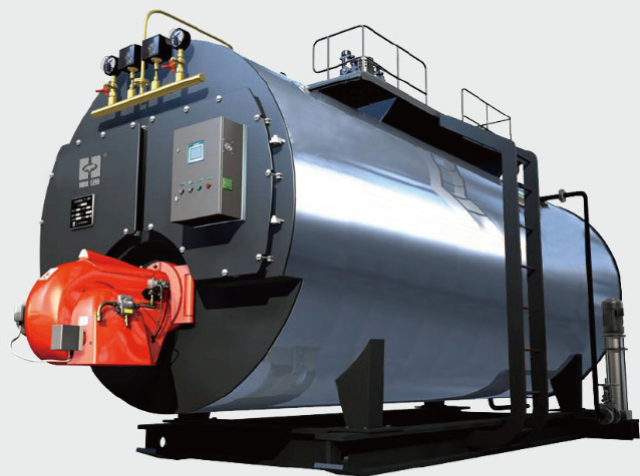
Boilers operate continuously under high-temperature, high-pressure conditions, with internal media typically consisting of water, steam, or corrosive substances. Failure often leads to catastrophic events like explosions or leaks, posing extreme hazards.
Conversely, general-purpose steel is primarily used in building structures, mechanical supports, or standard load-bearing components, typically operating at ambient temperatures, normal pressures, or low stress levels. Even when local damage occurs, failure modes are typically gradual deformation, with relatively controllable safety risks.
Therefore, boiler steel must exhibit higher reliability and predictability at the material level.
Design Philosophy
- The design philosophy for ordinary steel emphasizes meeting basic mechanical requirements. As long as yield strength, tensile strength, and elongation reach the minimum standards, the material can be put into service. Its core objectives are economy and versatility.
- The design logic for boiler steel is fundamentally different. It not only requires initial strength compliance but also focuses on whether material properties will undergo irreversible degradation under long-term high-temperature service conditions. Phenomena such as creep, stress-ageing embrittlement, and graphitization-rarely addressed in ordinary steel standards-are critical issues that must be guarded against in boiler steel design.
Therefore, the design objective for boiler steel is not short-term load-bearing capacity, but structural safety throughout its entire lifecycle.
Chemical Composition
In terms of chemical composition, ordinary steel exhibits relatively relaxed control parameters, allowing for fluctuations within specified ranges. Even steel of the same grade produced by different mills may show significant variations in trace elements and microstructure.
Boiler steel, however, employs more precise metallurgical design. On one hand, strict limits on carbon, phosphorus, sulfur, and other elements reduce risks of high-temperature embrittlement and welding cracks. On the other hand, the addition of alloying elements like molybdenum, chromium, and manganese enhances the steel's high-temperature strength, oxidation resistance, and microstructural stability.
Furthermore, boiler steel demands higher purity, requiring effective control over the quantity, size, and morphology of inclusions to prevent crack formation under high-temperature and high-pressure conditions.
Differences in Emphasis on Mechanical Properties
The mechanical property evaluation of ordinary steel typically focuses on yield strength, tensile strength, and elongation at room temperature. These metrics adequately meet the design requirements for most conventional structures.
Beyond conventional mechanical properties, boiler steel must also prioritize the following key indicators:
- First is high-temperature strength. The material must maintain sufficient load-bearing capacity at elevated temperatures without rapid softening due to increased heat.
- Second is creep performance. Boiler steels undergo gradual plastic deformation under long-term constant stress and high temperatures, with creep properties directly determining equipment design life.
- Third is impact toughness. Especially during start-up/shutdown cycles or low-temperature operation, materials must exhibit excellent resistance to brittle fracture.
These performance requirements make the evaluation system for boiler steels significantly more complex than that for ordinary steels.
Differences in Manufacturing and Welding Requirements
The manufacturing and welding processes for ordinary steel are relatively flexible. They offer strong adaptability for on-site cutting, welding, and installation.
Boiler steel, however, requires strictly controlled manufacturing processes. Welding procedures often necessitate prior qualification testing. During welding, precise requirements exist for preheating, interpass temperatures, and filler material compatibility. Post-weld heat treatment may also be required to eliminate residual stresses and stabilize microstructure.
These additional manufacturing requirements further elevate the overall cost of boiler steel, yet they are indispensable for ensuring long-term safe operation.


Standardization Systems and Regulatory Attributes
General-purpose steel typically complies with structural steel or universal steel standards, featuring broad applicability and relatively weaker regulatory attributes.
Boiler steel, however, is generally incorporated into pressure equipment or special equipment management systems, subject to stricter regulations and standards. Materials often require complete quality certification documentation and traceability records from smelting and rolling through to final use.
This stringent regulatory nature fundamentally reflects the high-risk, high-liability engineering attributes of boiler equipment.
The distinction between boiler steel and general-purpose steel extends beyond mere strength or cost. It is rooted in their fundamentally different service environments, failure consequences, and design philosophies. General-purpose steel prioritizes versatility, economy, and ease of use. Boiler steel, however, pursues long-term stability and reliable safety under extreme conditions. Understanding this difference helps engineers avoid simplistic comparisons during material selection, enabling them to choose plates that better match actual operating conditions.
If you're unsure about selecting the appropriate steel plate, please share your requirements. We provide professional customized solutions.


