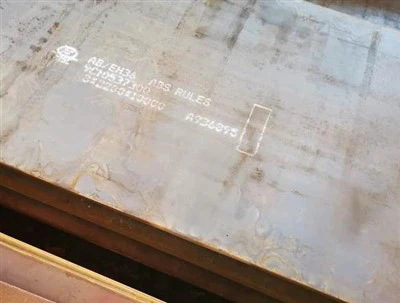
In the engineering applications of steel materials, ASTM A516 GR 70 and ASTM A36 are two frequently referenced carbon steel grades. Both belong to the American Society for Testing and Materials (ASTM) standards system, yet they exhibit significant differences in product positioning, performance characteristics, and typical application scenarios. This article explores their distinctions to assist you in selecting the appropriate steel for your projects.

Standard Positioning and Design Purpose
ASTM A36 is a general-purpose structural carbon steel standard designed to meet the fundamental requirements for strength and weldability in construction and general mechanical structures. It emphasizes "versatility" and "readiness," making it suitable for non-pressure-bearing components such as beams, columns, platforms, and supports.
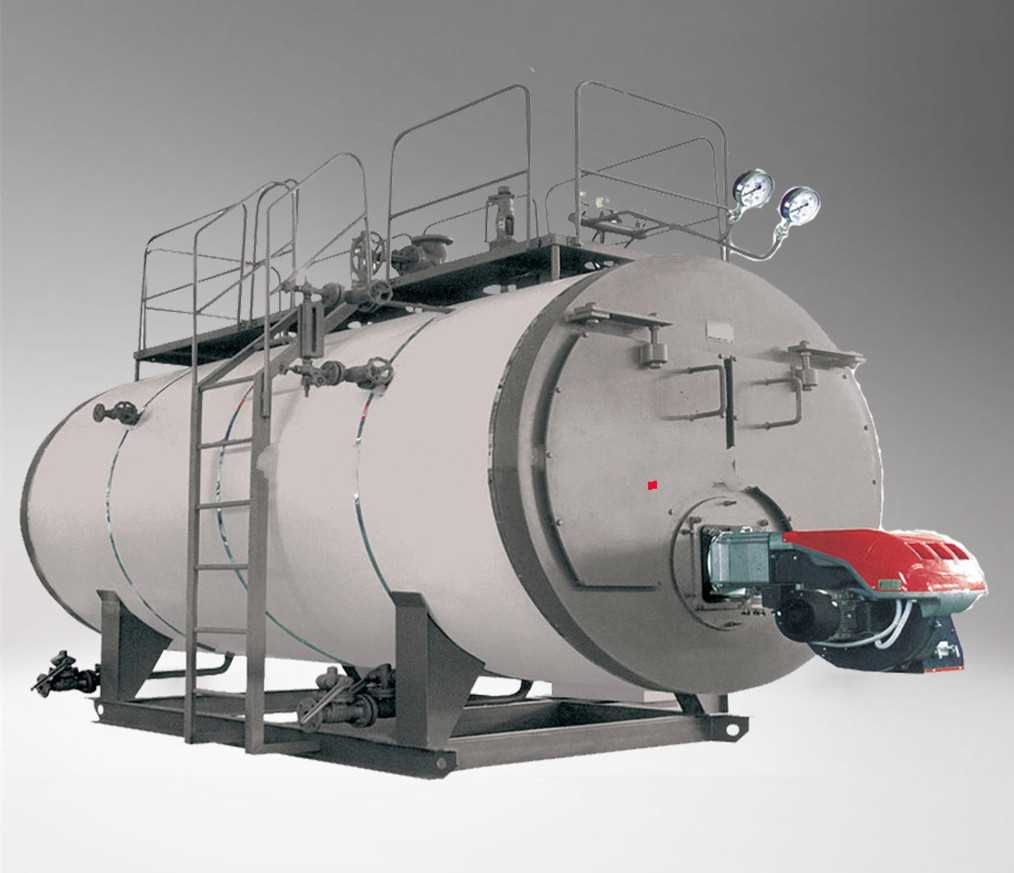
ASTM A516 GR 70 occupies a more specialized niche. Its full designation is Carbon Steel Plate for Medium and Low-Temperature Pressure Vessels. Its core design objective is to withstand internal pressure while maintaining excellent toughness, particularly preserving reliable fracture resistance under low-temperature conditions. Consequently, it holds significant importance in applications such as pressure vessels, boilers, and heat exchangers.
Differences in Chemical Composition
As a general-purpose carbon structural steel, A36 has relatively relaxed composition requirements: carbon content ≤0.26%, manganese content approximately 1.03%. Limits for harmful impurities like phosphorus and sulfur are 0.04% and 0.05% respectively. It allows for adjusting composition to meet basic mechanical properties, prioritizing cost-effectiveness and machinability.
A516 GR 70, as a specialized steel for medium- and low-temperature pressure vessels, features stricter composition control: carbon content is precisely regulated between 0.10%–0.22% (adjusted by thickness), while manganese content is stabilized at 0.85%–1.20% to balance strength and toughness. Phosphorus and sulfur limits are reduced to ≤0.035%. Aluminum is added to refine grain size, while some grades incorporate chromium and molybdenum to enhance corrosion resistance, mitigating low-temperature brittle fracture risks at the source.
Mechanical Properties Comparison
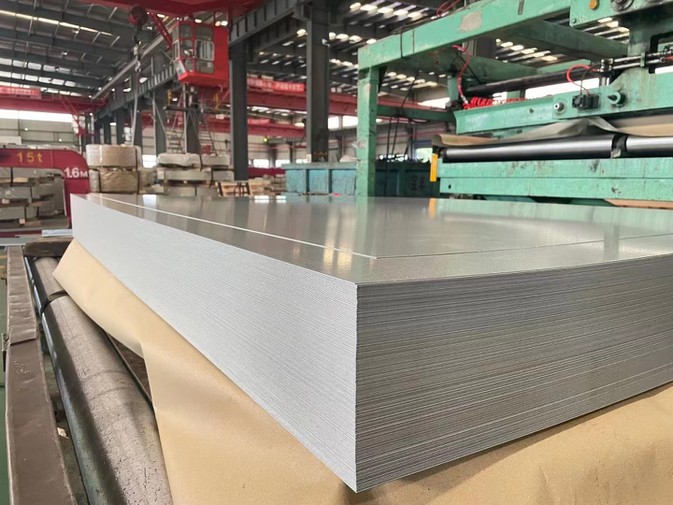
Mechanical properties represent the most tangible distinction between the two. A36 exhibits a minimum yield strength of 250 MPa (36 ksi) and a tensile strength range of approximately 400–550 MPa, characteristic of typical general-purpose structural steel.
A516 GR 70 has a minimum yield strength of approximately 260 MPa (38 ksi), seemingly only slightly higher than A36. However, its tensile strength typically reaches 485–620 MPa. More importantly, it imposes explicit requirements for impact toughness. The standard typically mandates Charpy V-notch impact testing to ensure the material possesses sufficient energy absorption capacity at design temperatures, whereas A36 does not require such toughness specifications.
Toughness
In pressure vessels and pressure equipment, material failure often stems not from insufficient strength but from sudden brittle fracture. A516 GR 70 is specifically engineered to address this failure mode. Through composition control, rolling processes, and mandatory impact testing, it maintains high fracture toughness even under low-temperature or stress-concentration conditions.
While A36 exhibits good plasticity at room temperature, its toughness is not guaranteed at low temperatures or in thick plate conditions. Using A36 for pressure-bearing or cryogenic applications often requires additional evaluation or even testing, otherwise posing potential safety risks.
Weldability and Fabrication Suitability
Both steels offer good weldability, but with different emphases. A36, with its simple composition and low carbon equivalent, offers high welding process tolerance, making it suitable for field construction and large-scale structural fabrication.
A516 GR 70, while equally weldable, typically requires adherence to stricter welding procedure qualifications (WPS/PQR) in pressure vessel manufacturing, often combined with post-weld heat treatment (e.g., stress relief annealing) to ensure structural integrity throughout its service life.
Application Scenarios
A36 is suitable for scenarios primarily involving structural load-bearing, moderate environmental conditions, and relatively controllable failure consequences. A516 GR 70 is suitable for equipment operating under pressure, requiring high toughness and safety, and where failure consequences are severe.
A common misconception in engineering practice is attempting to substitute A36 for A516 GR 70 solely based on similar yield strengths. This substitution overlooks fundamental differences in impact toughness, quality control, and standard applicability. Proper material selection logic must always center on design conditions, failure modes, and regulatory requirements.
The distinction between A516 GR 70 and A36, while superficially appearing as differing steel grades, fundamentally reflects the design philosophy gap between general-purpose structural steel and specialized pressure-bearing steel. Understanding this difference facilitates more rational material selection.
If you're unsure about selecting the appropriate steel plate, please share your requirements. We provide professional customized solutions.