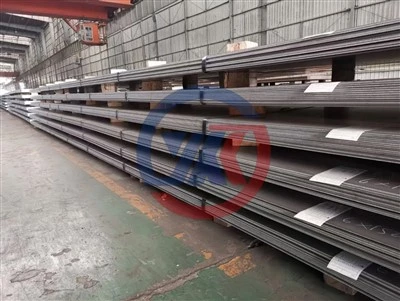
A516 Grade 70, as a carbon steel for medium- and low-temperature pressure vessels per ASTM/ASME standards, has a recommended design service temperature range of -29°C to 343°C. Impact-certified Gr. 70N can extend down to -45°C, with short-term high-temperature tolerance not exceeding 538°C. Long-term service is recommended not to exceed 343°C.
To purchase steel plates, please visit the following website.
https://www.chinasteelcompany.com/contact-us
I. Typical Applicable Temperature Range
In engineering practice and code application, it is generally accepted that:
A516 Grade 70 is suitable for a working temperature range of approximately -29°C to 343°C.
Specifically:
- Low-to-medium temperature range (around -20°C): This represents the optimal application zone for A516 Grade 70 steel.
- Medium temperature range (ambient to 425°C): Extensive long-term engineering validation demonstrates stable performance.
II. Performance Characteristics at Different Temperature Ranges
Low Temperature Range (≤-29°C)
For low-temperature applications, Gr.70N steel that has passed impact testing must be procured, with impact energy reports at -20°C/-45°C provided.
For cryogenic scenarios below -60°C, replacement with 9% Ni steel or A537 Class 1 is recommended.
Medium Temperature Range (-29°C to 343°C)
Optimal service range for the material, with yield strength ≥260MPa and tensile strength 485-620MPa. Excellent weldability and fatigue resistance.
Suitable for mainstream pressure vessels including petrochemical storage tanks, steam pipelines, boiler drums, and medium-pressure separators.
High-Temperature Range (343°C ~ 538°C)
Strength progressively degrades above 343°C with increased creep risk.
538°C is the short-term maximum temperature; prolonged pressurized operation at this temperature is strictly prohibited.
For high-temperature/high-pressure conditions, prioritize chromium-molybdenum heat-resistant alloys like 12Cr1MoV or SA-387 Gr.91.

III. Temperature Selection and Procurement Guidelines
Specify design temperature
Gr.70N must be selected for temperatures below -29°C, with agreed impact energy requirements (typically ≥27J).
High-Temperature Verification
Perform strength decay calculations for temperatures exceeding 343°C, or directly substitute with heat-resistant steel grades.
Acceptance Requirements
Request material certificates, impact test reports, and heat treatment records to ensure compatibility with operating temperatures.
Welding Compatibility
Welding processes are mature within the low-to-medium temperature range, requiring no special preheating. Control interpass temperatures when approaching the upper temperature limit.
IV. Typical Application Temperature Matching
- Atmospheric/Medium-Pressure Storage Tanks: -20°C to 200°C, standard A516 Gr.70 suffices
- Cryogenic LPG Storage Tanks: -40°C to -10°C, use Gr.70N
- Boiler Drum / Steam Piping: 250°C to 340°C, optimal choice within standard temperature range
- High-Temperature Heat Exchange Equipment: >343°C, not recommended; replace with heat-resistant steel
V. Summary
The standard safe temperature range for A516 Grade 70 steel is -29°C to 343°C, extended to -45°C for low-temperature applications (Gr.70N), with a short-term high-temperature limit of 538°C. During selection, prioritize design temperature while incorporating impact certification and heat treatment requirements to ensure safe and stable operation of pressure vessels throughout their entire lifecycle.
Yuxin Steel offers a diverse range of plate grades. If you're uncertain about selecting the appropriate steel plate, please share your requirements. We provide professional customized solutions.