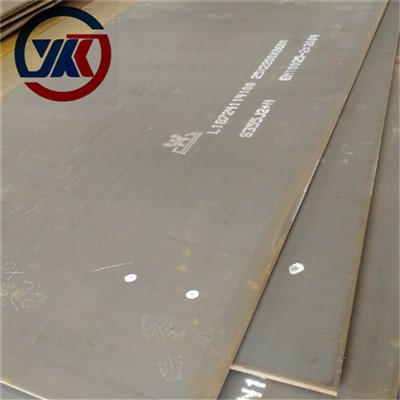
Hey there! As a Corten steel supplier, I've been getting a lot of questions lately about whether Corten steel can be used in railway applications. So, I thought I'd take a deep dive into this topic and share my insights with you.
First off, let's talk a bit about what Corten steel is. Corten steel, also known as weathering steel, is a group of steel alloys that were developed to eliminate the need for painting. When exposed to the elements, Corten steel forms a protective rust-like appearance that actually inhibits further corrosion. This unique property makes it a popular choice for a variety of outdoor applications.
Now, let's get to the main question: Can Corten steel be used in railway applications? The short answer is yes, and there are several reasons for this.
Durability and Resistance
One of the key advantages of using Corten steel in railway applications is its exceptional durability. Railways are constantly exposed to harsh environmental conditions, including rain, snow, and extreme temperatures. Corten steel's ability to resist corrosion means that it can withstand these conditions without significant degradation. This not only extends the lifespan of the railway components but also reduces maintenance costs in the long run.
For example, railway bridges are often built in areas with high humidity or near bodies of water. Corten steel can be used for the structural components of these bridges, providing a strong and long-lasting solution. The protective layer that forms on the surface of the steel acts as a barrier against moisture and oxygen, preventing rust from eating away at the metal.
Strength and Structural Integrity
Corten steel has excellent strength properties, which is crucial for railway applications. Railways need to support heavy loads, including trains and their cargo. Corten steel can provide the necessary strength to ensure the structural integrity of railway tracks, bridges, and other infrastructure.
The high strength of Corten steel also allows for the design of more efficient and lightweight railway structures. This can lead to cost savings in terms of materials and construction, as well as reduced energy consumption during operation.


Aesthetic Appeal
In addition to its practical benefits, Corten steel also offers aesthetic appeal. The natural rust-like appearance of Corten steel gives railway structures a unique and industrial look. This can enhance the overall visual appeal of railway stations, bridges, and other railway-related facilities.
Specific Railway Applications
Let's take a closer look at some specific railway applications where Corten steel can be used:
Railway Bridges
As mentioned earlier, Corten steel is an ideal material for railway bridges. It can be used for the bridge deck, girders, and other structural components. The corrosion resistance of Corten steel ensures that the bridge remains in good condition for many years, even in harsh environments.
Railway Stations
Corten steel can be used in the construction of railway stations. It can be used for the exterior cladding, roofing, and structural elements. The unique appearance of Corten steel can give railway stations a modern and distinctive look.
Railway Tracks
While Corten steel is not typically used for the actual rails themselves (which are usually made of high-carbon steel), it can be used for other track components, such as sleepers and fasteners. Corten steel sleepers can provide better resistance to corrosion and wear, extending the lifespan of the track.
Availability of Corten Steel
As a Corten steel supplier, I can offer a wide range of Corten steel products for railway applications. We have S355J0WP Corten Steel Plate, which is a popular choice for structural applications. This steel plate has excellent mechanical properties and corrosion resistance, making it suitable for railway bridges and other infrastructure.
We also have Q235NHB Corten Steel Manufacturer's Bulk Stock, which is a cost-effective option for railway projects. This steel is known for its good weldability and formability, making it easy to work with.
In addition, we offer Carbon Structure Steel Round Bar, which can be used for various railway components, such as fasteners and connectors.
Considerations and Challenges
While Corten steel has many advantages for railway applications, there are also some considerations and challenges to keep in mind.
Initial Cost
Corten steel can be more expensive than traditional steel in the short term. However, the long-term cost savings in terms of reduced maintenance and longer lifespan can offset the initial investment.
Design and Installation
Proper design and installation are crucial for the successful use of Corten steel in railway applications. The steel needs to be properly prepared and protected during the installation process to ensure that the protective layer forms correctly.
Compatibility with Other Materials
When using Corten steel in railway applications, it's important to consider its compatibility with other materials. For example, if Corten steel is in contact with other metals, there may be a risk of galvanic corrosion. Proper insulation and protection measures need to be taken to prevent this.
Conclusion
In conclusion, Corten steel can be a great choice for railway applications. Its durability, strength, and aesthetic appeal make it a suitable material for a variety of railway infrastructure projects. As a Corten steel supplier, I'm confident that we can provide the right products and solutions for your railway needs.
If you're interested in using Corten steel for your railway project, I'd love to have a chat with you. We can discuss your specific requirements and provide you with a quote. Feel free to reach out to me to start the conversation and explore how Corten steel can benefit your railway application.
References
- "Weathering Steel: A Guide to Its Use in Construction." American Institute of Steel Construction.
- "Corrosion Resistance of Weathering Steel in Different Environments." Journal of Materials Science and Technology.
- "Structural Design of Railway Bridges Using Weathering Steel." International Journal of Steel Structures.