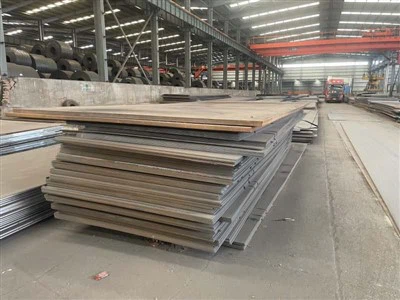
Tool steel is a crucial material in various industries, known for its exceptional hardness, toughness, and, most importantly, wear resistance. As a reputable tool steel supplier, I've witnessed firsthand how the wear - resistance characteristics of tool steel can significantly impact the performance and longevity of tools. In this blog, we'll delve into the key factors that contribute to the wear - resistance of tool steel and explore some popular types of tool steel with excellent wear - resistant properties.
Understanding Wear Resistance in Tool Steel
Wear resistance refers to a material's ability to withstand the removal of material from its surface due to contact with another surface. In the context of tool steel, wear can occur in several forms, including abrasive wear, adhesive wear, and erosive wear. Abrasive wear is the most common type, which happens when hard particles on one surface rub against another, gradually removing material. Adhesive wear occurs when two surfaces stick together and material is transferred from one to the other during relative motion. Erosive wear is caused by the impact of small particles or liquid droplets on the tool surface.
The wear - resistance of tool steel is influenced by several factors, including its chemical composition, heat treatment, and microstructure.
Chemical Composition and Wear Resistance
The chemical composition of tool steel plays a vital role in determining its wear - resistance. Different alloying elements are added to tool steel to enhance specific properties.
- Carbon: Carbon is a fundamental element in tool steel. It increases hardness and wear resistance by forming carbides. Higher carbon content generally leads to better wear resistance, but it can also make the steel more brittle. For example, T10A Carbon Tool Steel has a relatively high carbon content, which gives it good hardness and wear - resistant properties. It is commonly used in applications where high wear resistance is required, such as cutting tools and dies.
- Chromium: Chromium is another important alloying element. It forms hard carbides that improve wear resistance and also enhances corrosion resistance. Chromium - rich tool steels are often used in applications where the tool is exposed to corrosive environments in addition to wear. For instance, Cr12Mo1V1 Tool Steel contains a significant amount of chromium, along with other elements like molybdenum and vanadium. This steel has excellent wear resistance and is suitable for making cold - work dies and punches.
- Vanadium: Vanadium forms very hard carbides, which are extremely effective in improving wear resistance, especially in high - speed cutting applications. Vanadium carbides are fine and evenly distributed in the steel matrix, providing excellent resistance to abrasive wear.
- Molybdenum: Molybdenum helps to refine the grain structure of the steel and improves hardenability. It also contributes to the formation of carbides, enhancing wear resistance. Molybdenum - containing tool steels are often used in high - temperature applications where wear resistance is required at elevated temperatures.
Heat Treatment and Wear Resistance
Heat treatment is a critical process for enhancing the wear - resistance of tool steel. Through heat treatment, the microstructure of the steel can be modified to achieve the desired hardness and toughness.
- Hardening: Hardening involves heating the tool steel to a specific temperature and then rapidly cooling it. This process transforms the steel's microstructure into a hard martensite phase, which significantly increases hardness and wear resistance. However, hardening also makes the steel more brittle, so it is often followed by tempering.
- Tempering: Tempering is carried out after hardening to reduce the brittleness of the steel while maintaining a high level of hardness. By heating the hardened steel to a lower temperature and holding it for a certain period, the internal stresses are relieved, and the steel's toughness is improved. The tempering temperature and time are carefully controlled to achieve the optimal balance between hardness and toughness.
- Annealing: Annealing is used to soften the tool steel, improve its machinability, and relieve internal stresses. It involves heating the steel to a specific temperature and then slowly cooling it. Although annealing reduces hardness, it can be a necessary step in the manufacturing process of tools to ensure proper machining and subsequent heat treatment.
Microstructure and Wear Resistance
The microstructure of tool steel has a direct impact on its wear - resistance. A fine - grained microstructure generally provides better wear resistance than a coarse - grained one. Fine grains offer more grain boundaries, which act as barriers to the movement of dislocations and the propagation of cracks.
In addition, the distribution and size of carbides in the steel matrix are crucial. Uniformly distributed and fine carbides provide better wear resistance because they can more effectively resist the abrasion of hard particles. For example, in some high - speed tool steels, the carbides are finely dispersed throughout the matrix, giving the steel excellent wear - resistant properties even at high cutting speeds.


Popular Wear - Resistant Tool Steels
- Cr12Mo1V1 Tool Steel: As mentioned earlier, this is a high - chromium cold - work tool steel. It has high hardness, excellent wear resistance, and good dimensional stability. It is widely used in the production of cold - work dies, such as blanking dies, bending dies, and cold - heading dies.
- T10A Carbon Tool Steel: This is a simple carbon tool steel with high carbon content. It has good hardness and wear resistance, and it is relatively easy to heat - treat. T10A is commonly used in the manufacture of small cutting tools, such as files, saw blades, and punches.
- SK90 Tool Steel: SK90 is a high - carbon tool steel with good wear resistance and toughness. It is often used in applications where moderate wear resistance and good formability are required, such as in the production of hand tools and small dies.
Applications of Wear - Resistant Tool Steel
The excellent wear - resistance of tool steel makes it suitable for a wide range of applications:
- Cutting Tools: In the metalworking industry, cutting tools such as drills, end mills, and turning tools need to have high wear resistance to maintain their cutting edge and accuracy over a long period. Tool steels with good wear - resistant properties ensure efficient and precise machining operations.
- Dies and Molds: Dies and molds are used in the manufacturing of various products, from automotive parts to consumer goods. They are subjected to high pressures and abrasive forces during the forming process. Wear - resistant tool steels are essential for ensuring the long - term performance and dimensional accuracy of dies and molds.
- Industrial Machinery Components: Many components in industrial machinery, such as gears, bearings, and shafts, are made of tool steel to withstand the wear and tear caused by continuous operation.
Conclusion
The wear - resistance characteristics of tool steel are determined by a combination of factors, including chemical composition, heat treatment, and microstructure. As a tool steel supplier, we understand the importance of these factors in providing high - quality tool steel products to our customers. Whether you need tool steel for cutting tools, dies, or industrial machinery components, we can offer a wide range of options with excellent wear - resistant properties.
If you are interested in purchasing tool steel for your specific application, we encourage you to contact us for a detailed consultation. Our team of experts is ready to assist you in selecting the most suitable tool steel and providing you with the best possible solutions.
References
- ASM Handbook Volume 1: Properties and Selection: Irons, Steels, and High - Performance Alloys. ASM International.
- Tool Steel: Selection and Application. Edited by George E. Totten and M. A. Streicher.