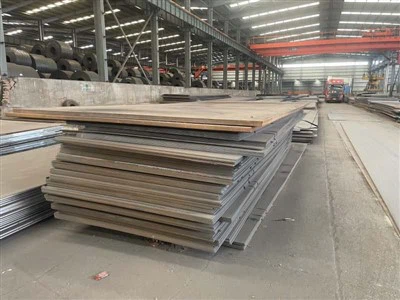
Hey there! I'm a supplier of stainless steel bars, and I often get asked, "Are stainless steel bars environmentally friendly?" It's a great question, and today, I'm gonna break it down for you.
Let's start with the basics. Stainless steel is an alloy made up of iron, chromium, and sometimes other elements like nickel and molybdenum. The chromium in stainless steel forms a thin, invisible layer of chromium oxide on the surface, which protects the metal from corrosion. This means stainless steel bars are incredibly durable and long - lasting.
Durability and Longevity
One of the biggest environmental benefits of stainless steel bars is their durability. Unlike some other materials that might rust, corrode, or wear out quickly, stainless steel can last for decades, even in harsh environments. Think about it - if you use stainless steel bars in a construction project, you won't have to replace them as often. This reduces the demand for new materials over time.
For example, in marine applications, where the saltwater can be extremely corrosive, stainless steel bars are a top choice. They can withstand the harsh conditions without deteriorating rapidly. This longevity means less waste going to landfills and less energy spent on manufacturing new bars to replace the old ones.
Recyclability
Another major plus for stainless steel is its high recyclability. In fact, stainless steel is one of the most recycled materials in the world. When a stainless steel bar reaches the end of its useful life, it can be melted down and reused to make new stainless steel products. The recycling process of stainless steel requires significantly less energy compared to producing new stainless steel from raw materials.
According to industry data, about 60% of the stainless steel produced globally comes from recycled materials. This not only conserves natural resources but also reduces the environmental impact associated with mining and refining new metals. It's a win - win situation for both the environment and the economy.
Low Maintenance
Stainless steel bars are also low - maintenance. They don't require frequent painting, coating, or other forms of upkeep. This is not only convenient but also environmentally friendly. Many traditional coatings and paints contain harmful chemicals that can be released into the environment during application and over time. By using stainless steel bars, you can avoid these potential environmental hazards.
Energy Efficiency in Production
The production of stainless steel has become more energy - efficient over the years. Modern manufacturing processes have been developed to reduce energy consumption and emissions. For instance, some steel mills are using advanced technologies to recover and reuse heat generated during the production process. This helps to lower the overall carbon footprint of stainless steel production.
Potential Drawbacks
However, it's not all sunshine and rainbows. The production of stainless steel does have some environmental impacts. Mining the raw materials, such as iron ore, chromium, and nickel, can cause habitat destruction, soil erosion, and water pollution. Also, the energy required for the initial production of stainless steel from raw materials is relatively high.
But as I mentioned earlier, the high recyclability of stainless steel helps to offset these initial impacts. Once the stainless steel is in circulation, the environmental benefits start to outweigh the negatives.
Applications and Environmental Impact
Let's take a look at some common applications of stainless steel bars and how they relate to the environment.
Construction
In the construction industry, stainless steel bars are used for reinforcement in concrete structures, as well as in architectural features. Their durability means that buildings can have a longer lifespan, reducing the need for frequent reconstruction. This saves a significant amount of resources and energy in the long run.

Food and Beverage Industry
Stainless steel bars are widely used in the food and beverage industry because they are hygienic and corrosion - resistant. They can be easily cleaned and sanitized, which is crucial for maintaining food safety. Since they don't contaminate the food, they contribute to a more sustainable food production process.
Automotive Industry
In the automotive industry, stainless steel bars are used in exhaust systems and other components. Their resistance to corrosion helps to extend the life of these parts, reducing the frequency of replacements and thus conserving resources.
Comparing with Other Materials
When we compare stainless steel bars with other materials like carbon steel or aluminum, we can see some clear environmental advantages.
Carbon steel is prone to rusting, which means it often needs to be coated or painted to protect it. These coatings can peel off over time and end up in the environment. Stainless steel, on the other hand, doesn't have this problem and can be used without additional protective coatings in many cases.
Aluminum is also a lightweight and recyclable material, but the production of aluminum requires a large amount of electricity. Stainless steel, while having a relatively high initial energy requirement for production, has a better overall environmental profile when considering its durability and recyclability.
Conclusion
So, are stainless steel bars environmentally friendly? The answer is a resounding yes, with a few caveats. While the production of stainless steel does have some environmental impacts, its durability, recyclability, low maintenance, and energy - efficient manufacturing processes make it a great choice for many applications.
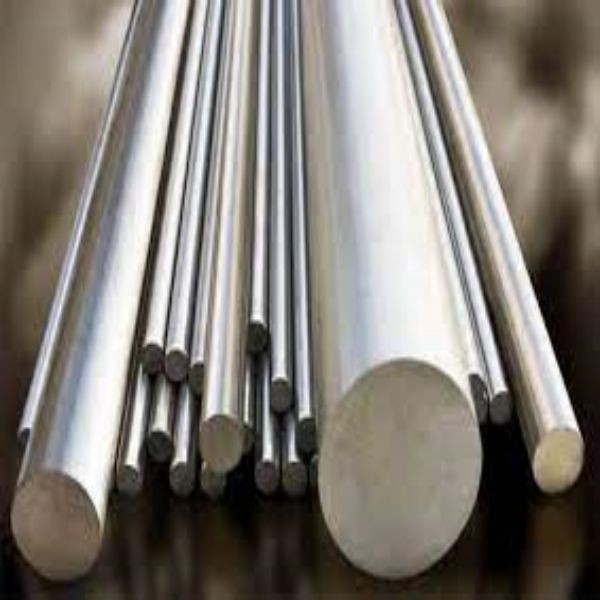
If you're in the market for high - quality stainless steel bars, I'm here to help. Whether you need Stainless Steel Round Bar for a construction project, a food processing facility, or any other application, we've got you covered. We offer a wide range of stainless steel bars in different sizes, grades, and finishes to meet your specific needs.
If you have any questions or want to discuss your requirements, don't hesitate to reach out. Let's work together to make your project a success while also doing our part for the environment.
References
- Stainless Steel World. "The Environmental Impact of Stainless Steel."
- International Stainless Steel Forum. "Recycling of Stainless Steel."
- American Iron and Steel Institute. "Energy Efficiency in Steel Production."