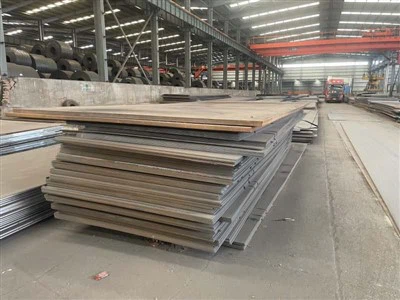
When it comes to the industrial applications of spring steel, safety is a paramount concern that cannot be overlooked. As a dedicated spring steel supplier, I understand the critical role of spring steel in various industries, from automotive to aerospace, and the importance of ensuring its safe use. In this blog, I will delve into the key safety considerations when using spring steel, providing valuable insights to help you make informed decisions and prevent potential hazards.
Material Selection and Quality
The first step in ensuring safety when using spring steel is to select the right material for the specific application. Different types of spring steel offer varying properties, such as strength, corrosion resistance, and fatigue resistance. For instance, 65Mn Spring Steel is known for its high strength and good elasticity, making it suitable for applications that require high stress and frequent use. On the other hand, Stainless Spring Steels are preferred in environments where corrosion resistance is crucial, such as marine or chemical industries.
It is essential to source spring steel from a reputable supplier who can provide high-quality materials that meet the required standards. Inferior quality spring steel may have defects, such as cracks, inclusions, or improper heat treatment, which can significantly compromise its performance and safety. Always request material certificates and test reports to verify the quality and properties of the spring steel before use.

Design and Engineering
Proper design and engineering are crucial for the safe use of spring steel. The design of a spring should take into account factors such as the load requirements, deflection, and operating environment. Overloading a spring beyond its capacity can lead to premature failure, which can be dangerous, especially in critical applications.
When designing a spring, it is important to follow established engineering principles and standards. Use appropriate software and tools to calculate the stress, deflection, and fatigue life of the spring. Consider the dynamic and static loads that the spring will be subjected to, as well as any potential shock or vibration. Additionally, ensure that the spring is properly installed and supported to prevent excessive movement or misalignment.
Manufacturing and Processing
The manufacturing and processing of spring steel can also impact its safety. During the manufacturing process, it is important to control the quality and consistency of the spring steel. This includes ensuring proper heat treatment, which is essential for achieving the desired mechanical properties of the spring. Improper heat treatment can result in a spring that is too brittle or too soft, increasing the risk of failure.
In addition to heat treatment, other manufacturing processes such as cold forming, machining, and surface finishing should also be carefully controlled. Cold forming can introduce residual stresses in the spring, which can affect its fatigue life. Machining operations should be performed with precision to ensure the correct dimensions and surface finish of the spring. Surface finishing, such as plating or coating, can provide additional protection against corrosion and wear.
Handling and Storage
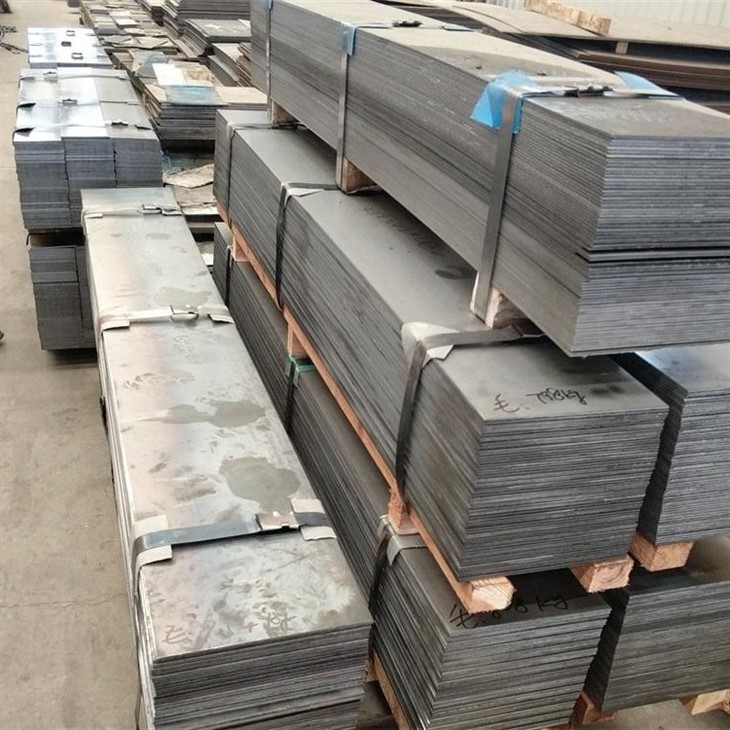
Proper handling and storage of spring steel are essential for maintaining its safety. When handling spring steel, it is important to use appropriate tools and equipment to prevent damage to the spring. Avoid dropping or hitting the spring, as this can cause cracks or other defects. Additionally, ensure that the spring is properly secured during transportation to prevent it from moving or becoming damaged.
During storage, spring steel should be kept in a dry and clean environment to prevent corrosion. Store the springs in a way that prevents them from being deformed or damaged. If possible, store the springs in a rack or container that is designed to hold them securely.
Inspection and Maintenance
Regular inspection and maintenance are crucial for the safe use of spring steel. Inspect the springs regularly for signs of wear, damage, or corrosion. Look for cracks, breaks, or deformation in the spring. If any defects are found, the spring should be replaced immediately.
In addition to visual inspection, it is also important to perform periodic testing of the springs to ensure their performance and safety. This can include testing the spring's load capacity, deflection, and fatigue life. Testing should be performed by a qualified professional using appropriate equipment and techniques.
Safety Precautions and Training
Finally, it is important to implement safety precautions and provide training to employees who work with spring steel. This includes wearing appropriate personal protective equipment (PPE), such as gloves and safety glasses, when handling springs. Employees should also be trained on the proper handling, installation, and maintenance of springs to prevent accidents and injuries.
In addition to PPE and training, it is also important to have a safety plan in place for dealing with potential hazards associated with spring steel. This can include procedures for handling spring failures, such as how to safely remove a failed spring and replace it with a new one.
Conclusion
In conclusion, safety is a critical consideration when using spring steel. By selecting the right material, designing and engineering the spring properly, controlling the manufacturing and processing, handling and storing the spring safely, inspecting and maintaining it regularly, and implementing safety precautions and training, you can ensure the safe use of spring steel in your applications.
As a spring steel supplier, I am committed to providing high-quality spring steel and supporting my customers in ensuring the safety of their applications. If you have any questions or need further information about spring steel safety, please do not hesitate to contact me. I am here to help you make the right choices and ensure the success of your projects.
References
- ASME B18.22.1 - Specification for Disc Springs
- ASTM A228 - Standard Specification for Steel Wire, Music Spring Quality
- ISO 10243 - Pneumatic fluid power - Cylinders - Cushioning devices