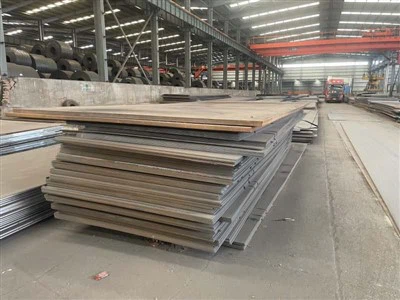
Hey there! As a tool steel supplier, I get asked a lot about the bending properties of tool steel. It's a crucial aspect, especially for those who use tool steel in various applications. So, let's dive right into it.
What is Tool Steel?
Before we talk about bending properties, let's quickly go over what tool steel is. Tool steel is a type of carbon alloy steel that's specifically designed to be used in the making of tools. It's known for its high hardness, wear resistance, and the ability to hold an edge. There are different types of tool steel, each with its own unique properties and applications.
Why Are Bending Properties Important?
The bending properties of tool steel are super important because they determine how well the steel can be shaped and formed without cracking or breaking. In many manufacturing processes, tool steel needs to be bent into different shapes to create tools or parts. If the steel doesn't have good bending properties, it can lead to costly failures and wasted materials.
Factors Affecting Bending Properties
Chemical Composition
The chemical composition of tool steel plays a huge role in its bending properties. Different elements like carbon, chromium, vanadium, and molybdenum can affect the hardness, toughness, and ductility of the steel. For example, a higher carbon content generally makes the steel harder but less ductile, which can make it more difficult to bend.
Heat Treatment
Heat treatment is another crucial factor. Proper heat treatment can improve the bending properties of tool steel by changing its microstructure. Annealing, for instance, can soften the steel and make it more malleable, while quenching and tempering can increase its hardness and strength.
Grain Size
The grain size of the steel also affects its bending properties. A fine-grained steel is generally more ductile and easier to bend than a coarse-grained steel. This is because the smaller grains can deform more easily under stress.
Types of Tool Steel and Their Bending Properties
9Cr2 Alloy Tool Steel
9Cr2 Alloy Tool Steel is a popular choice for many applications. It has good hardenability and wear resistance. When it comes to bending, 9Cr2 can be bent with relative ease, especially when it's in an annealed state. However, if it's been hardened, the bending process needs to be carefully controlled to avoid cracking.
SKD1 Alloy Tool Steel
SKD1 Alloy Tool Steel is known for its high hardness and excellent wear resistance. It's often used in the manufacturing of cutting tools. When bending SKD1, it's important to preheat the steel to a specific temperature to reduce the risk of cracking. Once it's bent, proper heat treatment is required to restore its hardness and strength.
L3 Alloy Tool Steel
L3 Alloy Tool Steel is a low-alloy tool steel that's relatively easy to machine and bend. It has good ductility, which makes it suitable for applications where bending is required. However, like other tool steels, its bending properties can be affected by heat treatment and the specific application requirements.
Testing Bending Properties
To determine the bending properties of tool steel, several tests can be performed. One common test is the three-point bending test. In this test, a sample of the steel is placed on two supports and a load is applied at the center until the steel bends. The amount of force required to bend the steel and the angle of the bend are measured to evaluate its bending properties.


Another test is the V-block bending test. In this test, the steel is bent over a V-shaped block. The test measures the ability of the steel to withstand bending without cracking.
Tips for Bending Tool Steel
- Preheat the Steel: Preheating the tool steel before bending can reduce the risk of cracking. The preheating temperature depends on the type of steel and its thickness.
- Use the Right Tools: Make sure you use the right tools for bending. This includes bending dies, presses, and other equipment that are designed for working with tool steel.
- Control the Bending Speed: Bending the steel too quickly can cause it to crack. It's important to control the bending speed to ensure a smooth and even bend.
- Post-Bending Heat Treatment: After bending, the steel may need to be heat-treated to restore its hardness and strength. This can involve processes like quenching and tempering.
Conclusion
Understanding the bending properties of tool steel is essential for anyone working with this material. Whether you're a manufacturer, a toolmaker, or a DIY enthusiast, knowing how to bend tool steel properly can save you time, money, and headaches. As a tool steel supplier, I'm here to help you choose the right type of tool steel for your specific needs and provide you with the information and support you need to work with it effectively.
If you're interested in purchasing tool steel or have any questions about its bending properties, feel free to reach out. We're always happy to have a chat and help you find the best solution for your project.
References
- ASM Handbook Volume 1: Properties and Selection: Irons, Steels, and High-Performance Alloys
- Tool Steel Selection and Application Guide