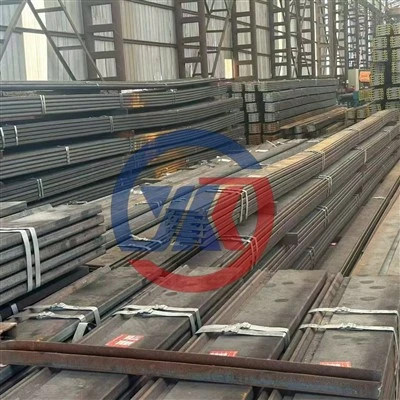
The most distinctive feature of weathering steel is its ability to form a dense rust layer in natural environments, providing inherent corrosion resistance. Unlike ordinary steel, it doesn't require frequent repainting for maintenance. Widely used in outdoor sculptures, landscape railings, bridges, and shipping containers, it offers both aesthetic appeal and low-maintenance convenience. However, many mistakenly believe it never rusts and requires no ongoing care. In reality, improper use or maintenance can damage or dislodge this rust layer, leaving the steel vulnerable to corrosion and shortening its lifespan. Today, we'll discuss simple yet effective ways to extend the longevity of weathering steel.
First, understand that the core of weathering steel's "weather resistance" lies in the stable rust layer forming on its surface. This rust layer acts like a protective shell, isolating the steel from air and moisture to prevent further internal corrosion. Therefore, the key to extending its lifespan is safeguarding this protective layer while avoiding factors that could damage it. Here are a few steps to help you easily maintain weathering steel.
Weathering steel performs best in dry, well-ventilated outdoor settings, such as urban landscapes and outdoor sculptures.
However, avoid two types of harsh environments:
First, areas with prolonged moisture or standing water-like low-lying zones or regions frequently exposed to rain-where persistent moisture compromises the rust layer's integrity.
Second, highly corrosive environments like coastal areas (salt spray), chemical plant vicinity (corrosive gases), or industrial zones (dust and impurities).
If use in such environments is unavoidable, implement protective measures beforehand.
Upon installation, weathering steel develops a loose surface rust layer that offers no corrosion protection. This layer must naturally transform into a dense, dark brown rust patina.
During this process, avoid two common pitfalls:
First, refrain from frequent wiping or polishing the surface, as this disrupts the rust formation process and repeatedly generates loose rust.
Second, avoid arbitrarily painting or oiling the surface, as this isolates the steel from air and moisture, hindering the formation of a stable rust layer and allowing corrosion to occur beneath the coating.
The correct approach is to expose the steel to natural conditions for 3-6 months after installation. During this period, regularly clean debris and dust from the surface to allow the rust layer to naturally settle and densify.
While weathering steel requires minimal upkeep, it does not mean it is completely maintenance-free. Over time, the surface rust layer may become damaged due to impacts, scratches, or heavy rain, exposing the underlying steel.
Prompt action is required:
- First, use a soft-bristle brush to remove loose rust and debris from the damaged area.
- Then apply a specialized weathering steel rust layer repair agent to help the damaged area quickly form a new, stable rust layer, preventing further corrosion of the underlying steel.
- Annual inspections are recommended, focusing on the integrity of the rust layer at joints and stress points. Address any issues promptly.

Two additional details can also effectively extend its lifespan.
First, during installation, ensure weathering steel components remain well-ventilated. Avoid sealing joints too tightly, which can trap moisture and humidity inside.
Second, prevent direct contact between weathering steel and ordinary steel. Their differing corrosion rates mean contact accelerates weathering steel's deterioration. If contact is unavoidable, place a corrosion-resistant spacer between the surfaces.
Summary
In summary, extending the service life of weathering steel hinges on three core principles: "protecting the rust layer, selecting the right environment, and conducting regular inspections." It is not maintenance-free but requires minimal upkeep. By mastering these simple methods, weathering steel can be kept in excellent condition. Whether used in outdoor landscapes or industrial equipment, it ensures long-term, stable performance. This approach not only reduces maintenance costs but also preserves its unique rust-colored texture.
If you're seeking premium weathering steel for your project, choosing us is the best decision. Contact us today! Our professional team will provide customized solutions tailored to your requirements.