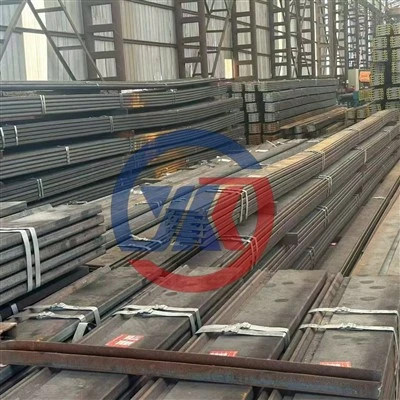
Weathering steelis specifically designed for outdoor environments. In contrast, ordinary carbon steel rusts in a spongy manner, with the corrosion spreading layer by layer inward. The rust layer on weathering steel adheres tightly to the surface, acting like a layer of armor for the steel. Under normal outdoor conditions, once this rust layer forms, the corrosion rate drops to one-fifth to one-eighth that of ordinary carbon steel.
Therefore, from a durability perspective, weathering steel is perfectly suited for outdoor construction. Many bridges, curtain walls, and sculptures in Europe and Japan have been in use for three or four decades, retaining their original appearance with no issues regarding structural strength.
What outdoor applications are best suited for weathering steel?
- Building facades: That industrial, rust-red texture is something paint simply cannot replicate. And unlike ordinary steel sheets that require regular repainting, weathering steel is installed once, ages naturally, and requires virtually no maintenance afterward.
- Bridges and guardrails: Especially overpasses and pedestrian bridges. No painting is required, eliminating the costs of high-altitude maintenance work. Many states in the U.S. specify weathering steel for highway bridges.
- Landscape Sculptures and Retaining Walls: Feature walls in parks, edging for flower beds, and water feature accents. The rusted finish pairs exceptionally well with plants and stone.
- Outdoor Stairs and Boardwalks: Areas that require load-bearing capacity and can withstand wind and rain. The rough, rusted surface actually provides better traction.
When is it not suitable?
Weathering steel is not a panacea. Caution is advised in the following situations:
- Prolonged exposure to moisture and standing water: For example, areas exposed to sea spray or piers submerged in water for extended periods. The rust layer is washed away before it can become dense, resulting in accelerated corrosion.
- High-salt-fog environments: Areas within 500 meters of the coastline, especially those directly exposed to sea winds. Standard weathering steel cannot withstand chloride ions; specialized high-weathering steel or coated steel is required for protection.
- Exposure to chemicals or acidic gases: Areas near chemical plants or large-scale livestock farms with high ammonia levels. These substances can destroy the passivation layer.
- Applications requiring a smooth, aesthetically pleasing surface: Weathering steel has a rough, rust-colored surface that sheds rust particles. These particles can stain clothing and are difficult to wash off. If you require a surface that remains as smooth and pristine as new, you should opt for stainless steel or coated steel.
How long does it take for the rust layer to stabilize?
When first manufactured, weathering steel is silver-gray, resembling ordinary steel plates. Once placed outdoors, it rusts rapidly during the first few months, with its color changing from yellow to brown and then to dark brown. This process typically lasts one to two years, after which the rust layer stabilizes and remains largely unchanged.
One condition is necessary for a stable rust layer to form: alternating wet and dry conditions. It gets wet from rain and then dries in the wind. If it is constantly submerged in water or kept in a dry indoor environment, a protective layer will not form. Therefore, it is inherently designed for outdoor use.
If you're considering an outdoor steel structure project and aren't sure whether to paint standard steel or leave weathering steel uncoated, feel free to contact us with photos of the site and details about the local climate.