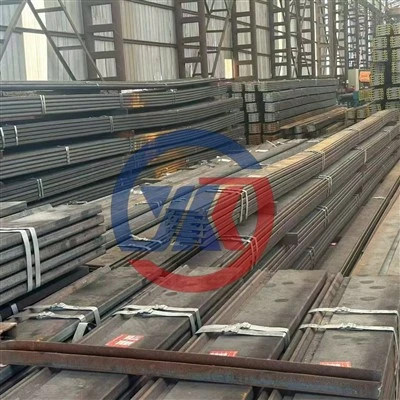
Pressure vessel steel plates are not used for building houses or making machine casings. Their sole purpose is to be fabricated into tanks, boilers, or towers that contain high-pressure gas, high-temperature steam, or hazardous chemicals-but they must never explode.
Why Not Just Use Regular Steel?
Regular steel might be cheaper, but it fails under extreme conditions. Pressure vessel steel plates are designed to handle three big challenges:
- High Pressure – They resist bursting from internal force.
- Extreme Temperatures – They perform well in both freezing cold and red-hot heat.
- Corrosive or Dangerous Fluids – Many grades resist cracking from hydrogen, sour gas, or chemicals.
Using the wrong steel can lead to catastrophic failure – leaks, explosions, or toxic releases. That's why governments and industry standards (like ASME, ASTM, EN, GB) strictly regulate these plates.
Key Performance Indicators
| Property | Why It Matters |
|---|---|
| High Tensile Strength | Holds more pressure with less thickness – saves material weight. |
| Good Toughness | Won't crack suddenly, even at low temperatures. |
| Weldability | Easy to fabricate into complex vessel shapes without weakening. |
| Corrosion Resistance | Lasts longer when storing acids, salts, or wet gases. |
Where are they used?
- LPG cylinders: These are the large steel cylinders used in your home kitchen or at restaurants, as well as the large spherical tanks found in chemical plants. The liquefied petroleum gas inside is under high pressure even at room temperature, so the tank walls are very thick and made from pressure vessel plate.
- Factory air storage tanks: Every factory with an air compressor has a round tank attached to it, where compressed air is stored. That tank is also welded from pressure vessel plate.
- Boiler drums: The large, thick-walled cylinders atop power plant boilers contain high-temperature, high-pressure steam and are made of heat-resistant chromium-molybdenum steel.
- Chemical reactors: The large, stirred tanks found in plastic and paint manufacturing plants are exposed to both pressure and corrosive liquids; their inner walls may be lined with stainless steel.
Need a quote or want to learn more? You can email us, leave a message, or give us a call. We'll be sure to respond within 24 hours on business days.
Fast delivery for urgent projects