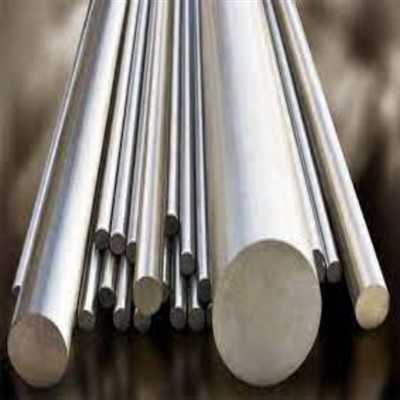
As a supplier of carbon steel plates, I am frequently asked about the recyclability of these products. This topic is not only crucial from an environmental perspective but also has significant economic implications. In this blog, I will delve into the science behind recycling carbon steel plates, explore the processes involved, and discuss the benefits and challenges associated with this practice.
The Science of Recycling Carbon Steel Plates
Carbon steel is an alloy primarily composed of iron and carbon, with small amounts of other elements such as manganese, silicon, and sulfur. The carbon content in carbon steel typically ranges from 0.05% to 2.0%, which gives the steel its strength and durability. One of the remarkable properties of carbon steel is its recyclability. Unlike many other materials, steel does not lose its inherent properties during the recycling process. This means that recycled carbon steel can be used to produce new steel products with the same quality and performance as those made from virgin materials.
The recyclability of carbon steel is rooted in its chemical and physical properties. Iron, the main component of carbon steel, is a highly stable element that can withstand multiple melting and reprocessing cycles without significant degradation. When carbon steel plates are recycled, they are first collected and sorted based on their composition and quality. This step is crucial to ensure that the recycled steel meets the required standards for new applications.
The Recycling Process
The recycling process of carbon steel plates involves several key steps, each designed to transform the scrap steel into a usable raw material.
Collection and Sorting
The first step in the recycling process is the collection of carbon steel plates from various sources. These sources can include industrial waste, construction sites, and end-of-life products. Once collected, the plates are sorted according to their type, grade, and quality. This sorting process is essential to separate different types of steel and remove any non-metallic contaminants, such as paint, plastic, or rubber.
Shredding and Melting
After sorting, the carbon steel plates are shredded into smaller pieces to increase their surface area and facilitate the melting process. The shredded steel is then placed in a furnace, where it is heated to a high temperature until it melts. The melting process is typically carried out in an electric arc furnace (EAF) or a basic oxygen furnace (BOF). EAFs are more commonly used for recycling carbon steel plates because they are more energy-efficient and can process a wider range of scrap materials.
Refining and Alloying
Once the steel is melted, it undergoes a refining process to remove impurities and adjust its chemical composition. This process involves adding various substances, such as fluxes and alloys, to the molten steel to remove unwanted elements and improve its properties. For example, adding manganese can increase the strength and hardness of the steel, while adding chromium can improve its corrosion resistance.
Casting and Rolling
After refining, the molten steel is cast into various shapes, such as billets, blooms, or slabs. These semi-finished products are then rolled into the desired thickness and shape to produce new carbon steel plates. The rolling process can be carried out using hot rolling or cold rolling techniques, depending on the specific requirements of the final product.
Benefits of Recycling Carbon Steel Plates
Recycling carbon steel plates offers numerous benefits, both for the environment and the economy.
Environmental Benefits
One of the most significant benefits of recycling carbon steel plates is the reduction of energy consumption and greenhouse gas emissions. Producing steel from recycled materials requires significantly less energy than producing steel from virgin materials. According to the World Steel Association, recycling steel can save up to 75% of the energy required to produce steel from iron ore. This reduction in energy consumption not only helps to conserve natural resources but also reduces the carbon footprint of the steel industry.
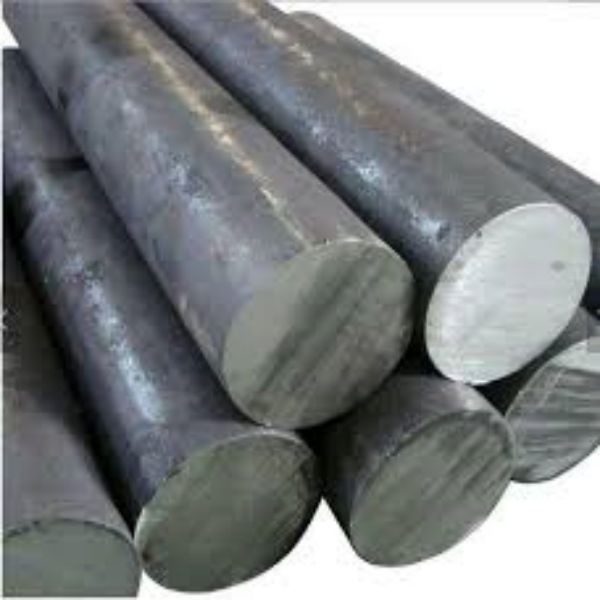
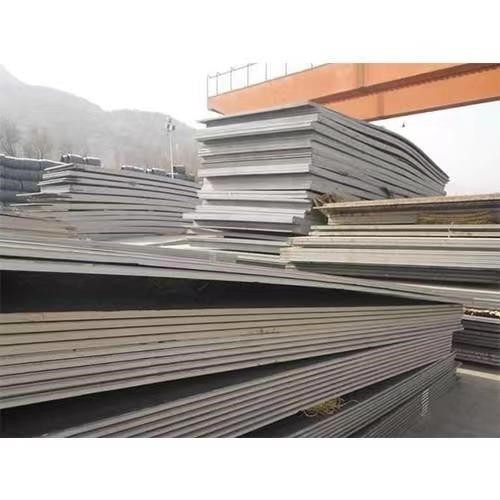
In addition to energy savings, recycling carbon steel plates also helps to reduce waste and conserve landfill space. By diverting scrap steel from landfills, we can prevent the accumulation of waste and reduce the environmental impact of waste disposal.
Economic Benefits
Recycling carbon steel plates also has significant economic benefits. The recycling industry creates jobs and stimulates economic growth by providing a source of raw materials for the steel industry. In addition, recycling steel can reduce the cost of production for steel manufacturers, as recycled steel is often cheaper than virgin materials. This cost savings can be passed on to consumers, making steel products more affordable.
Challenges and Limitations
While recycling carbon steel plates offers many benefits, there are also some challenges and limitations associated with this practice.
Contamination
One of the main challenges in recycling carbon steel plates is the presence of contaminants. Non-metallic contaminants, such as paint, plastic, and rubber, can reduce the quality of the recycled steel and make it more difficult to process. To overcome this challenge, it is important to ensure that the scrap steel is properly sorted and cleaned before recycling.
Quality Control
Another challenge is maintaining the quality of the recycled steel. The chemical composition and properties of recycled steel can vary depending on the source and quality of the scrap materials. To ensure that the recycled steel meets the required standards for new applications, it is essential to implement strict quality control measures throughout the recycling process.
Market Demand
Finally, the market demand for recycled carbon steel plates can be affected by various factors, such as economic conditions, consumer preferences, and government policies. To ensure the long-term viability of the recycling industry, it is important to promote the use of recycled steel products and create a stable market demand for them.
Applications of Recycled Carbon Steel Plates
Recycled carbon steel plates can be used in a wide range of applications, including construction, automotive, and manufacturing.
Construction
In the construction industry, recycled carbon steel plates are commonly used for structural applications, such as beams, columns, and frames. These plates offer excellent strength and durability, making them suitable for use in high-rise buildings, bridges, and other infrastructure projects. For example, Q355GJE is a high-strength structural steel plate that can be made from recycled materials and is widely used in the construction of large-scale buildings and bridges.
Automotive
The automotive industry also uses recycled carbon steel plates extensively. These plates are used to manufacture various components, such as body panels, chassis, and engine parts. The use of recycled steel in the automotive industry helps to reduce the weight of vehicles, improve fuel efficiency, and lower production costs. For instance, S355J2H EN 10210 Pipeline Carbon Steel Pipe can be recycled and used in the manufacturing of automotive exhaust systems and other components.
Manufacturing
In the manufacturing industry, recycled carbon steel plates are used to produce a variety of products, such as machinery, equipment, and tools. These plates offer excellent machinability and weldability, making them suitable for use in a wide range of manufacturing processes. For example, Q500C Carbon Steel Round can be recycled and used to manufacture shafts, gears, and other precision components.
Conclusion
In conclusion, carbon steel plates can be effectively recycled, offering significant environmental and economic benefits. The recycling process involves several key steps, including collection, sorting, shredding, melting, refining, and casting. While there are some challenges and limitations associated with recycling carbon steel plates, such as contamination and quality control, these issues can be overcome through proper sorting, cleaning, and quality control measures.
As a carbon steel plate supplier, I am committed to promoting the recycling of carbon steel plates and providing high-quality recycled steel products to my customers. If you are interested in purchasing carbon steel plates or have any questions about our products, please feel free to contact me for further discussion and procurement negotiation.
References
- World Steel Association. (n.d.). Steel Recycling. Retrieved from [Website URL]
- American Iron and Steel Institute. (n.d.). Recycling Steel. Retrieved from [Website URL]
- International Recycling Institute. (n.d.). Recycling of Metals. Retrieved from [Website URL]