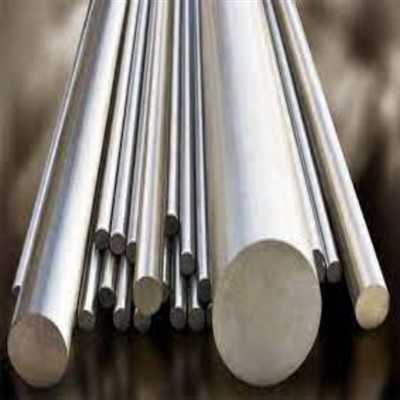
Can rebar steel be bent on - site?
As a rebar steel supplier, I often get asked the question: "Can rebar steel be bent on - site?" This is a crucial query for construction projects, as on - site bending can offer flexibility and efficiency. In this blog, I'll delve into the details of on - site rebar bending, including its feasibility, advantages, limitations, and best practices.
Feasibility of On - Site Rebar Bending
The short answer is yes, rebar steel can be bent on - site. Most types of rebar, such as HRB 500E and HRB 400E, are designed to be malleable to a certain extent. These rebars are made from high - strength steel alloys that can withstand the bending process without significant loss of their structural integrity.
The bending process involves applying force to the rebar at a specific point to change its shape. Modern construction sites are equipped with various bending tools, from manual rebar benders for small - scale projects to hydraulic and electric benders for larger jobs. These tools are designed to bend rebar accurately according to the required angles and radii specified in the construction plans.
Advantages of On - Site Rebar Bending
- Customization: One of the primary advantages of on - site bending is the ability to customize the rebar to fit the unique requirements of a construction project. Every building or structure has its own design specifications, and on - site bending allows for precise shaping of the rebar to match these needs. For example, in a complex architectural design with curved walls or irregularly shaped columns, on - site bending can ensure that the rebar is bent to the exact curvature required.
- Time - Saving: Ordering pre - bent rebar from a supplier can take time, especially if the supplier has a backlog of orders. On - site bending eliminates the waiting time associated with pre - bent rebar delivery. Construction teams can start bending the rebar as soon as it arrives on the site, which can significantly speed up the construction process. This is particularly beneficial for projects with tight deadlines.
- Cost - Effective: On - site bending can be more cost - effective in some cases. When ordering pre - bent rebar, suppliers often charge a premium for the bending service. Additionally, transportation costs for pre - bent rebar can be higher due to its larger and more irregular shape. By bending the rebar on - site, construction companies can save on these additional costs.
Limitations of On - Site Rebar Bending
- Quality Control: On - site bending requires strict quality control measures. If the bending is not done correctly, it can compromise the structural integrity of the rebar. For example, over - bending or under - bending can lead to stress concentrations in the rebar, which may cause it to fail under load. It is essential to have trained personnel operate the bending equipment and to use proper inspection techniques to ensure that the bent rebar meets the required standards.
- Equipment and Space Requirements: On - site bending requires the availability of appropriate bending equipment. Manual benders are relatively inexpensive and easy to operate, but they are suitable only for small - diameter rebar and low - volume bending. Hydraulic and electric benders are more powerful but are also more expensive and require a stable power source. Additionally, on - site bending requires sufficient space to store the rebar and operate the bending equipment safely.
- Safety Concerns: Bending rebar can be a dangerous task. The high - strength steel used in rebar can cause serious injuries if it snaps during the bending process. Workers must wear appropriate personal protective equipment (PPE), such as safety glasses, gloves, and steel - toed boots. They also need to be trained on the proper operation of the bending equipment to avoid accidents.
Best Practices for On - Site Rebar Bending
- Proper Training: All personnel involved in on - site rebar bending should receive proper training. This includes training on the operation of the bending equipment, understanding the bending specifications, and safety procedures. Training programs should be updated regularly to ensure that workers are aware of the latest industry standards and best practices.
- Quality Inspection: Before and after bending, the rebar should be inspected for any defects, such as cracks or corrosion. After bending, the rebar should be checked to ensure that it meets the required angles and radii. Non - destructive testing methods, such as ultrasonic testing, can be used to detect any internal defects in the bent rebar.
- Equipment Maintenance: Regular maintenance of the bending equipment is essential to ensure its proper functioning. This includes lubricating moving parts, checking hydraulic fluid levels, and inspecting electrical components. Equipment that is not properly maintained can lead to inaccurate bending and pose a safety hazard.
Conclusion
In conclusion, on - site rebar bending is a viable option for construction projects, offering numerous advantages in terms of customization, time - saving, and cost - effectiveness. However, it also comes with limitations, such as quality control issues, equipment requirements, and safety concerns. By following best practices and implementing strict quality control measures, construction companies can successfully bend rebar on - site and achieve high - quality construction results.


If you're in the market for high - quality rebar steel for your construction project, whether you plan to bend it on - site or order pre - bent, I'm here to help. As a reliable rebar steel supplier, I can provide you with the right type and quantity of rebar to meet your needs. Feel free to reach out to me to discuss your requirements and start the procurement process. Let's work together to ensure the success of your construction project.
References
- "Reinforcing Steel Bar Handbook" by Concrete Reinforcing Steel Institute
- "Construction Materials: Their Nature and Behaviour" by John Newman and Barbara Choo