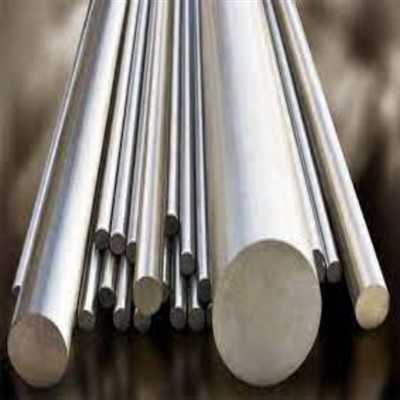
As a seasoned supplier of stainless steel bars, I've witnessed firsthand the diverse requirements and applications of our products. One question that frequently arises among our clients is whether the surface finish of a stainless steel bar affects its performance. In this blog post, I'll delve into this topic, exploring the various surface finishes available, their impact on performance, and why it matters in different industries.
Understanding Stainless Steel Surface Finishes
Stainless steel bars come in a range of surface finishes, each with its unique characteristics and applications. The surface finish is determined by the manufacturing process and can significantly influence the appearance, corrosion resistance, and mechanical properties of the bar. Here are some common surface finishes:
Mill Finish
The mill finish, also known as the as-rolled finish, is the most basic and cost-effective finish. It is the result of the rolling process and typically has a dull, matte appearance. Mill finish bars are commonly used in applications where appearance is not a primary concern, such as structural support or industrial machinery. While mill finish bars offer good corrosion resistance, they may be more prone to surface contamination and scratching.
Polished Finish
A polished finish is achieved by grinding and buffing the surface of the stainless steel bar to create a smooth, reflective surface. Polished finishes can range from a light polish to a mirror-like finish, depending on the level of abrasion and buffing. Polished bars are often used in architectural applications, decorative elements, and food processing equipment, where appearance and hygiene are important. The smooth surface of polished bars also enhances corrosion resistance by reducing the surface area available for corrosion to occur.
Brushed Finish
A brushed finish is created by using abrasive materials to create a series of fine, parallel lines on the surface of the stainless steel bar. This finish provides a textured appearance that is both attractive and practical. Brushed finishes are commonly used in applications where fingerprints and scratches are a concern, such as kitchen appliances and automotive trim. The brushed finish also helps to hide minor surface imperfections and provides a more uniform appearance.
Passivated Finish
Passivation is a chemical treatment process that removes free iron and other contaminants from the surface of the stainless steel bar, creating a protective oxide layer. This oxide layer enhances the corrosion resistance of the bar, making it more resistant to rust and staining. Passivated finishes are commonly used in applications where corrosion resistance is critical, such as marine environments, chemical processing plants, and medical equipment.
Impact of Surface Finish on Performance
The surface finish of a stainless steel bar can have a significant impact on its performance in various applications. Here are some key factors to consider:
Corrosion Resistance
As mentioned earlier, the surface finish of a stainless steel bar can affect its corrosion resistance. A smooth, polished surface is less likely to accumulate dirt, debris, and moisture, which can lead to corrosion. Polished and passivated finishes provide the highest level of corrosion resistance, making them ideal for applications in harsh environments. On the other hand, mill finish bars may be more prone to corrosion due to their rough surface texture, which can trap moisture and contaminants.
Hygiene and Cleanability
In applications where hygiene is important, such as food processing and medical equipment, the surface finish of the stainless steel bar plays a crucial role. A smooth, polished surface is easier to clean and sanitize, reducing the risk of bacteria and other contaminants accumulating on the surface. Polished and brushed finishes are commonly used in these applications to ensure a high level of cleanliness and hygiene.
Aesthetics
The surface finish of a stainless steel bar can also have a significant impact on its aesthetic appeal. Polished and brushed finishes are often used in architectural and decorative applications to create a modern, stylish look. The reflective surface of polished bars can add a sense of elegance and sophistication to any space, while the textured appearance of brushed finishes can provide a more industrial or contemporary look.
Mechanical Properties
The surface finish of a stainless steel bar can also affect its mechanical properties, such as strength, hardness, and ductility. For example, a polished finish may reduce the surface hardness of the bar, making it more susceptible to scratching and wear. On the other hand, a brushed finish may increase the surface hardness of the bar, improving its resistance to abrasion and wear. The choice of surface finish should be based on the specific mechanical requirements of the application.
Importance of Surface Finish in Different Industries
The importance of surface finish varies depending on the industry and application. Here are some examples of how surface finish affects performance in different industries:
Architectural and Construction
In the architectural and construction industry, surface finish plays a crucial role in the appearance and durability of stainless steel bars. Polished and brushed finishes are commonly used in architectural applications, such as building facades, handrails, and decorative elements, where appearance is a primary concern. The smooth, reflective surface of polished bars can enhance the aesthetic appeal of a building, while the textured appearance of brushed finishes can provide a more modern and industrial look. In addition, the corrosion resistance of the surface finish is also important in outdoor applications, where the bar is exposed to the elements.
Food Processing and Beverage Industry
In the food processing and beverage industry, hygiene and corrosion resistance are of utmost importance. Stainless steel bars with a polished or passivated finish are commonly used in food processing equipment, such as conveyor belts, tanks, and piping, to ensure a clean and sanitary environment. The smooth surface of polished bars makes it easier to clean and sanitize, reducing the risk of bacteria and other contaminants. Passivated finishes also provide an additional layer of protection against corrosion, ensuring the longevity of the equipment.
Medical and Pharmaceutical Industry
In the medical and pharmaceutical industry, corrosion resistance, cleanliness, and biocompatibility are critical requirements. Stainless steel bars with a passivated finish are commonly used in medical equipment, such as surgical instruments, implants, and laboratory equipment, to ensure the safety and effectiveness of the products. The passivated finish provides a protective oxide layer that enhances the corrosion resistance of the bar, making it more resistant to rust and staining. In addition, the smooth surface of the bar is easier to clean and sterilize, reducing the risk of infection.
Automotive and Aerospace Industry
In the automotive and aerospace industry, surface finish plays a crucial role in the performance and appearance of stainless steel bars. Polished and brushed finishes are commonly used in automotive trim, engine components, and aerospace structures, where appearance and corrosion resistance are important. The smooth surface of polished bars enhances aerodynamics and reduces drag, while the brushed finish provides a more textured appearance that is both attractive and practical. In addition, the corrosion resistance of the surface finish is also important in these industries, where the bars are exposed to harsh environments and chemicals.
Choosing the Right Surface Finish
When choosing the right surface finish for your stainless steel bar, it's important to consider the specific requirements of your application. Here are some factors to consider:
Application
The intended application of the stainless steel bar will determine the most suitable surface finish. For example, if the bar will be used in an architectural application, a polished or brushed finish may be more appropriate to enhance the aesthetic appeal. If the bar will be used in a corrosive environment, a passivated finish may be necessary to ensure long-term corrosion resistance.
Appearance
The appearance of the surface finish is an important consideration, especially in applications where aesthetics are a primary concern. Polished finishes provide a smooth, reflective surface that is ideal for decorative elements, while brushed finishes provide a textured appearance that is both attractive and practical. Consider the overall design and style of your project when choosing the surface finish.
Corrosion Resistance
The corrosion resistance of the surface finish is critical in applications where the bar will be exposed to harsh environments or chemicals. Polished and passivated finishes provide the highest level of corrosion resistance, while mill finish bars may be more prone to corrosion. Consider the specific environmental conditions and chemical exposure of your application when choosing the surface finish.
Cleanability
The cleanability of the surface finish is important in applications where hygiene is a concern, such as food processing equipment and medical devices. Polished and brushed finishes are easier to clean and sanitize than mill finish bars, as the smooth surface reduces the surface area available for dirt and bacteria to accumulate.
Cost
The cost of the surface finish is also an important consideration, especially in large-scale projects. Mill finish bars are typically the most cost-effective option, while polished and passivated finishes may be more expensive due to the additional processing steps involved. Consider your budget and the specific requirements of your application when choosing the surface finish.
Conclusion
In conclusion, the surface finish of a stainless steel bar can have a significant impact on its performance, appearance, and durability. The choice of surface finish depends on the specific requirements of your application, including the intended use, appearance, corrosion resistance, cleanability, and cost. As a supplier of 201 Stainless Steel Bar and Stainless Steel Round Bar, we offer a wide range of surface finishes to meet the diverse needs of our clients. Whether you're looking for a polished finish for an architectural application or a passivated finish for a corrosive environment, we can help you choose the right surface finish for your project.
If you have any questions or need further information about our stainless steel bars and surface finishes, please don't hesitate to contact us. We're here to help you find the perfect solution for your needs.
References
- ASM Handbook, Volume 13A: Corrosion: Fundamentals, Testing, and Protection
- Stainless Steel World Americas
- The Fabricator