


As a supplier of AH36, DH36, and EH36 steel plates for shipbuilding, I've witnessed firsthand how the prices of these materials can significantly impact shipbuilding costs. In this blog, I'll delve into the factors influencing the prices of AH36, DH36, and EH36 steel plates and explore their implications for the shipbuilding industry.
Understanding AH36, DH36, and EH36 Steel Plates
Before discussing the price - cost relationship, it's essential to understand what AH36, DH36, and EH36 steel plates are. These are high - strength hull structural steel plates used in shipbuilding. The "A", "D", and "E" denote different impact toughness levels at various temperatures. AH36 is suitable for normal temperature applications, DH36 for lower temperatures, and EH36 for even more extreme cold conditions.
The quality and performance of these steel plates are crucial for the safety and durability of ships. They must meet strict international standards such as those set by the American Bureau of Shipping (ABS), Lloyd's Register (LR), and Det Norske Veritas (DNV). For instance, EH36 Steel Plate ABS/LR/DNV Approved for Shipbuilding & Offshore meets these high - profile approvals, ensuring its suitability for demanding shipbuilding and offshore applications.
Factors Affecting the Price of Shipbuilding Steel Plates
Raw Material Costs
The primary raw material for steel production is iron ore. Fluctuations in the global iron ore market have a direct impact on the price of shipbuilding steel plates. When the supply of iron ore is tight, perhaps due to disruptions in mining operations or increased demand from other industries like construction, the cost of producing steel rises. This increase is then passed on to the shipbuilding steel plate prices. For example, if a major iron ore - producing country experiences a natural disaster that halts mining activities, the reduced supply will drive up the price of iron ore, and consequently, the cost of AH36, DH36, and EH36 steel plates.
Production Costs
The production process of shipbuilding steel plates is complex and energy - intensive. Energy costs, especially those related to electricity and coal, play a significant role in determining the final price of the steel plates. Additionally, labor costs, maintenance of production facilities, and the cost of advanced manufacturing technologies all contribute to the overall production cost. If energy prices increase, or if there are labor strikes in the steel - producing regions, the cost of manufacturing AH36, DH36, and EH36 steel plates will go up.
Market Demand and Supply
The balance between demand and supply in the shipbuilding industry is a key determinant of steel plate prices. When the shipbuilding market is booming, with many shipyards placing large orders for steel plates, the demand for AH36, DH36, and EH36 steel plates increases. If the supply cannot keep up with the demand, prices will rise. Conversely, during a downturn in the shipbuilding industry, when there are fewer orders, the excess supply of steel plates can lead to price decreases.
International Trade and Tariffs
Global trade policies and tariffs can also affect the price of shipbuilding steel plates. If a country imposes high tariffs on imported steel plates, it will make foreign - sourced AH36, DH36, and EH36 steel plates more expensive for domestic shipbuilders. On the other hand, trade agreements that reduce or eliminate tariffs can lead to more competitive prices.
Impact on Shipbuilding Costs
Direct Material Costs
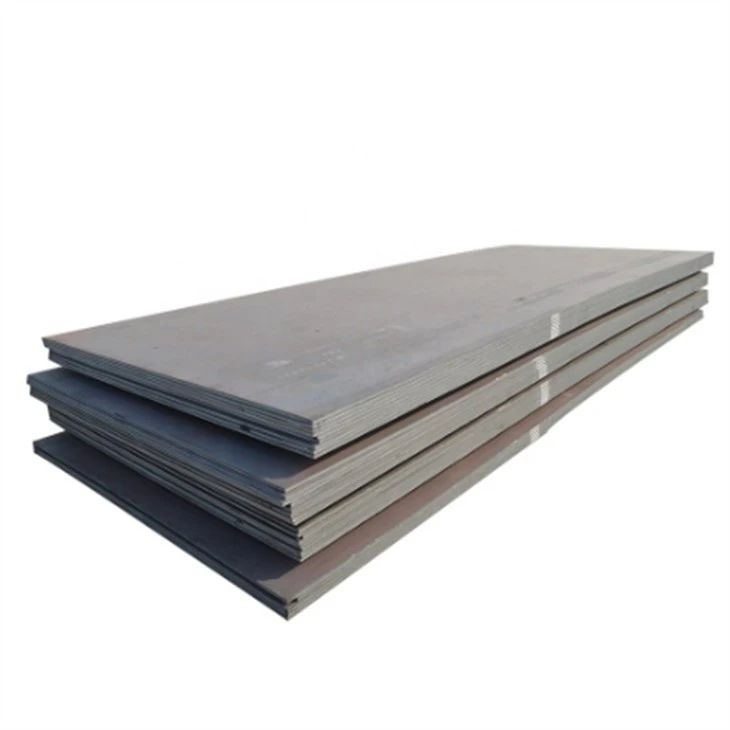
The most obvious impact of steel plate prices on shipbuilding costs is in the direct material costs. Steel plates are one of the major components in ship construction, accounting for a significant portion of the total material cost. For example, a large - scale commercial ship may require thousands of tons of AH36, DH36, or EH36 steel plates. When the price of these steel plates increases, the cost of purchasing the necessary materials for shipbuilding also rises substantially.

Indirect Costs
Higher steel plate prices can also lead to indirect costs in shipbuilding. Shipbuilders may need to adjust their production schedules to manage the increased cost. This could involve delaying the start of new projects or reducing the number of ships they plan to build in a given period. Delays in production can result in additional costs such as increased labor costs due to extended project timelines, and potential penalties for late delivery to customers.
Project Financing
The price of steel plates can also affect project financing. When steel plate prices are high, the overall cost of a shipbuilding project increases. This may require shipbuilders to seek additional financing or negotiate more favorable loan terms. Higher financing costs can further add to the overall cost of shipbuilding.
Strategies for Shipbuilders to Manage Costs
Long - Term Contracts
Shipbuilders can enter into long - term contracts with steel plate suppliers. By locking in a price for a certain quantity of AH36, DH36, and EH36 steel plates over an extended period, shipbuilders can reduce the risk of price fluctuations. This provides stability in their material costs and helps in better project planning.
Material Substitution
In some cases, shipbuilders may consider material substitution. For example, if the price of EH36 steel plates is too high, and the ship's design allows for it, they may use a lower - grade steel plate such as CCS Grade B Shipbuilding Steel Plate. However, this must be done carefully, taking into account the ship's performance requirements and safety standards.
Supplier Negotiation
Shipbuilders can also negotiate with their steel plate suppliers. By building long - term relationships and demonstrating their commitment to large - volume orders, shipbuilders may be able to secure more favorable prices. For instance, they can ask for volume discounts or price adjustments based on market conditions.
Our Role as a Supplier
As a supplier of AH36, DH36, and EH36 steel plates for shipbuilding, we understand the challenges faced by shipbuilders in managing costs. We strive to offer high - quality steel plates at competitive prices. Our Manufacturer Direct Sales Of High Quality DH36 Shipbuilding Steel Plate approach allows us to cut out middle - men and pass on cost savings to our customers.
We also work closely with our customers to understand their specific needs and provide customized solutions. Whether it's helping them choose the right grade of steel plate or offering flexible delivery schedules, we aim to support shipbuilders in their cost - management efforts.
Conclusion
The price of AH36, DH36, and EH36 steel plates for shipbuilding has a profound impact on shipbuilding costs. Multiple factors such as raw material costs, production costs, market demand and supply, and international trade policies influence the prices of these steel plates. Shipbuilders face significant challenges in managing costs in the face of price fluctuations. However, by implementing strategies such as long - term contracts, material substitution, and supplier negotiation, they can mitigate the impact of high steel plate prices.
If you're involved in the shipbuilding industry and are looking for reliable and cost - effective AH36, DH36, and EH36 steel plates, we'd be happy to discuss your requirements. Contact us to start a procurement discussion and explore how we can help you manage your shipbuilding costs effectively.
References
- Steel Market Reports: Various reports on global steel market trends and price fluctuations.
- Shipbuilding Industry Journals: Publications that cover shipbuilding costs, steel plate requirements, and industry best practices.
- International Maritime Standards: Documents from organizations like ABS, LR, and DNV that set the standards for shipbuilding steel plates.


