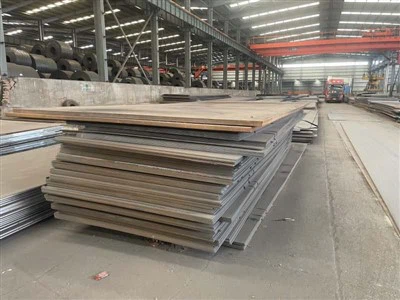
A36 steel is a widely used material in various industries due to its excellent formability, weldability, and strength. As a supplier of A36 Steel, I've seen firsthand the importance of preventing corrosion to ensure its longevity and performance. In this blog, I'll share some practical tips on how to prevent the corrosion of A36 steel.
Understanding Corrosion of A36 Steel
Before we dive into prevention methods, it's crucial to understand what causes A36 steel to corrode. Corrosion is essentially a chemical reaction between the metal and its environment. In the case of A36 steel, when it comes into contact with oxygen and moisture, it forms iron oxide, commonly known as rust. Factors like humidity, exposure to chemicals, and saltwater can accelerate this process.
Surface Preparation
One of the first steps in preventing corrosion is proper surface preparation. Before applying any protective coatings, the A36 steel surface needs to be clean and free of contaminants. Here are some common methods:

Cleaning
- Mechanical Cleaning: This involves using tools like wire brushes, sandpaper, or abrasive blasting to remove rust, scale, and other debris from the steel surface. Abrasive blasting, in particular, is very effective as it can quickly and thoroughly clean large areas.
- Chemical Cleaning: Chemical solvents or acids can be used to dissolve rust and contaminants. However, this method requires careful handling as the chemicals can be hazardous. After chemical cleaning, the steel should be thoroughly rinsed to remove any residual chemicals.
Degreasing
Grease and oil on the steel surface can prevent coatings from adhering properly. Degreasing agents, such as solvents or alkaline cleaners, can be used to remove these substances. Make sure the surface is completely dry after degreasing.
Protective Coatings
Applying a protective coating is one of the most effective ways to prevent corrosion of A36 steel. There are several types of coatings available, each with its own advantages:
Paint Coatings
- Epoxy Paint: Epoxy paints are known for their excellent adhesion, chemical resistance, and durability. They form a tough barrier that protects the steel from moisture and oxygen. Epoxy paints are often used in industrial environments where the steel is exposed to harsh chemicals.
- Acrylic Paint: Acrylic paints are more flexible and have good UV resistance. They are commonly used for outdoor applications where the steel needs to be protected from the sun's rays as well as moisture.
Powder Coatings
Powder coatings are a dry finishing process where a fine powder is electrostatically applied to the steel surface and then cured in an oven. This creates a hard, durable, and corrosion-resistant finish. Powder coatings are available in a wide range of colors and textures, making them a popular choice for both functional and aesthetic purposes.
Metallic Coatings
- Galvanizing: Galvanizing involves coating the A36 steel with a layer of zinc. Zinc acts as a sacrificial anode, meaning it corrodes before the steel. This provides long - term protection against rust. Hot - dip galvanizing, where the steel is immersed in a bath of molten zinc, is a common method for large steel structures.
- Zinc - Rich Primers: Zinc - rich primers contain a high percentage of zinc dust. When applied to the steel surface, they provide cathodic protection similar to galvanizing. These primers are often used as a base coat before applying a topcoat.
Environmental Control
Controlling the environment around the A36 steel can also help prevent corrosion. Here are some ways to do it:
Moisture Control
- Ventilation: Proper ventilation in storage areas and buildings can help reduce humidity levels. By allowing air to circulate, moisture is less likely to accumulate on the steel surface.
- Dehumidifiers: In areas with high humidity, dehumidifiers can be used to remove excess moisture from the air. This is particularly important in indoor storage facilities or manufacturing plants.
Avoiding Chemical Exposure
- Keep Away from Corrosive Substances: A36 steel should be kept away from chemicals such as acids, alkalis, and salts. If the steel needs to be used in an environment where it may come into contact with these substances, additional protective measures, such as special coatings or enclosures, should be considered.
Maintenance and Inspection
Regular maintenance and inspection are essential to ensure the long - term protection of A36 steel from corrosion.
Inspection
- Visual Inspection: Periodically inspect the steel surface for signs of rust, coating damage, or other forms of corrosion. If any issues are detected, they should be addressed immediately.
- Non - Destructive Testing: Non - destructive testing methods, such as ultrasonic testing or magnetic particle testing, can be used to detect corrosion that may not be visible to the naked eye.
Maintenance
- Coating Repair: If the protective coating is damaged, it should be repaired as soon as possible to prevent corrosion from starting. This may involve sanding the damaged area, applying a primer, and then a new topcoat.
- Lubrication: In some cases, applying a lubricant can help protect the steel from corrosion. Lubricants can prevent moisture from coming into contact with the steel surface and also reduce friction, which can cause wear and expose the steel to corrosion.
Comparison with Other Steels
It's interesting to compare A36 steel with other types of steel in terms of corrosion resistance. For example, S355jr Low Alloy High Strength Steel Plate and A572 Grade 50 Steel Plate have different alloy compositions, which can affect their corrosion resistance. While A36 steel is a general - purpose carbon steel, S355jr and A572 Grade 50 are low - alloy high - strength steels. These steels may have better corrosion resistance in certain environments, but they also require proper protection methods to ensure their long - term performance.
Conclusion
Preventing the corrosion of A36 steel is crucial to maintain its quality and performance. By following these steps, including proper surface preparation, applying protective coatings, controlling the environment, and conducting regular maintenance and inspection, you can significantly extend the lifespan of A36 steel products.
If you're interested in purchasing A36 steel or other related products, feel free to reach out for a detailed discussion. We're here to provide you with high - quality materials and professional advice on corrosion prevention.
References
- "Corrosion of Metals" by Uhlig, H. H.
- "Handbook of Protective Coatings for Metals" by Schweitzer, P. A.