Is stainless steel resistant to acids? That's a question I get asked a lot as a stainless steel supplier. And the answer, well, it's a bit complicated. Let's dive in and explore this topic in more detail.
First off, what is stainless steel? Stainless steel is an alloy, which means it's a mixture of different metals. The main ingredient is iron, but it also contains chromium, nickel, and sometimes other elements. The chromium is what gives stainless steel its corrosion - resistant properties. When the chromium reacts with oxygen in the air, it forms a thin, invisible layer of chromium oxide on the surface of the steel. This layer acts as a barrier, protecting the steel from further oxidation and corrosion.
Now, back to the question of acid resistance. Stainless steel is generally more resistant to acids than regular steel, but not all acids are created equal. Some acids are more aggressive than others, and the type of stainless steel also plays a big role.
Let's start with the milder acids. Weak acids like acetic acid (found in vinegar) usually don't pose much of a threat to most stainless steels. The chromium oxide layer can withstand the relatively low - level corrosive action of these acids. For example, if you have a stainless - steel kitchen utensil and you accidentally spill some vinegar on it, chances are it won't get damaged.
However, when we move on to stronger acids, things get more challenging. Hydrochloric acid, sulfuric acid, and nitric acid are much more aggressive. The ability of stainless steel to resist these acids depends on its composition.
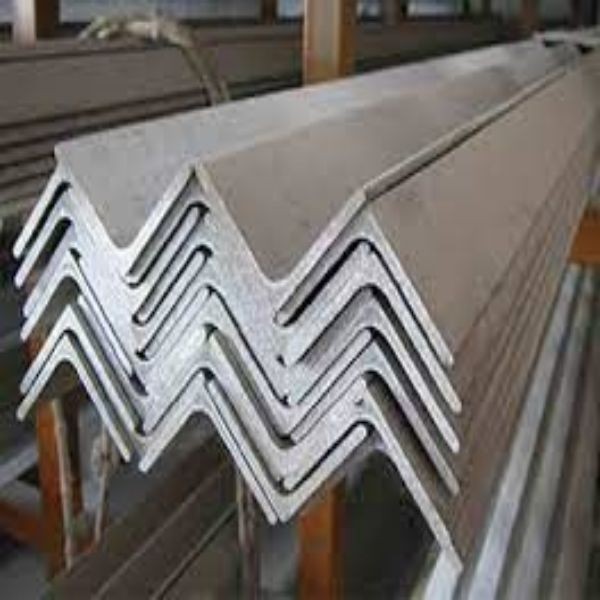
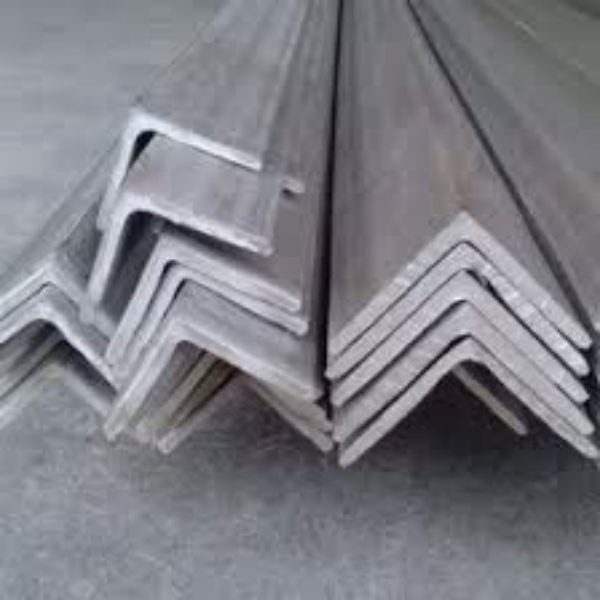
For instance, 201 stainless steel is a common type of stainless steel. It's relatively affordable and has decent corrosion resistance in many environments. But it's not the best when it comes to strong acids. 201 Stainless Steel Angle is made from this type of steel, and while it's great for general structural applications, it may not hold up well in highly acidic conditions. The chromium content in 201 stainless steel is lower compared to some other grades, which means its protective oxide layer is not as robust when faced with strong acids.
On the other hand, 316 stainless steel is known for its better acid resistance. It contains a higher percentage of chromium and also has molybdenum, which enhances its ability to resist corrosion in acidic environments. Stainless Steel Tube 316 is a popular choice for applications where acid resistance is crucial, such as in chemical processing plants or marine environments where the water can be slightly acidic due to pollutants.
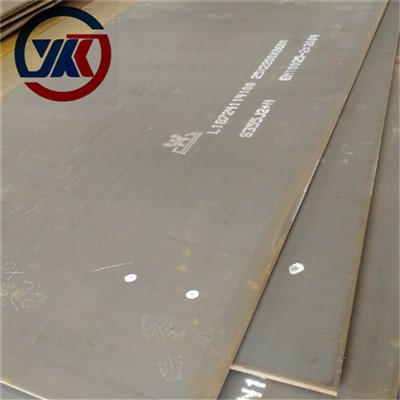
Another grade to consider is A580 stainless steel. This is a high - quality stainless steel that offers good strength and corrosion resistance. A580 Stainless Steel Angle can be used in a variety of applications, and it generally has better acid - resistant properties than 201 stainless steel. But again, in extremely harsh acidic conditions, even A580 may face some challenges.
The temperature also affects the acid resistance of stainless steel. As the temperature rises, the rate of corrosion in acidic solutions usually increases. This is because higher temperatures provide more energy for the chemical reactions between the acid and the steel. So, if you're using stainless steel in an application where it will be exposed to acids at high temperatures, you need to choose a grade that can handle those conditions.
Concentration of the acid is another important factor. A highly concentrated acid is more likely to corrode stainless steel than a dilute one. For example, a 10% sulfuric acid solution may not cause significant damage to a well - chosen stainless - steel grade, but a 90% solution could be very destructive.
In addition to the type of acid, temperature, and concentration, the duration of exposure also matters. Short - term exposure to an acid may not cause much harm, but long - term immersion in an acidic environment can gradually break down the protective oxide layer and lead to corrosion.
So, is stainless steel resistant to acids? The answer is yes and no. It depends on the type of acid, the grade of stainless steel, the temperature, the concentration of the acid, and the duration of exposure. As a stainless - steel supplier, I always recommend that customers consider all these factors when choosing the right stainless - steel product for their specific application.
If you're in the process of planning a project that involves stainless steel and acid exposure, it's a good idea to consult with an expert. We can help you select the most suitable grade of stainless steel based on your requirements. Whether you need 201 Stainless Steel Angle for a simple structural project or Stainless Steel Tube 316 for a more demanding chemical - resistant application, we have a wide range of products to meet your needs.
If you're interested in learning more about our stainless - steel products or need advice on acid - resistant stainless - steel solutions, don't hesitate to reach out. We're here to help you make the best choice for your project. Contact us today to start the conversation about your stainless - steel requirements.
References
- ASM Handbook Volume 13A: Corrosion: Fundamentals, Testing, and Protection. ASM International.
- Stainless Steel World Magazine, various articles on corrosion and acid resistance of stainless steel.