


As a trusted supplier of steel plates for shipbuilding, I understand the critical role that these materials play in the maritime industry. One of the key aspects that often comes under scrutiny is the high - temperature properties of shipbuilding steel plates. In this blog post, I will delve into this topic in detail, exploring the significance of these properties and how they impact the performance and safety of ships.
Understanding High - Temperature Properties
Strength Retention
One of the most important high - temperature properties of shipbuilding steel plates is their ability to retain strength. When a ship is in operation, it may encounter various high - temperature scenarios, such as in engine rooms or during fire situations. Steel plates need to maintain a certain level of strength to ensure the structural integrity of the ship.
At elevated temperatures, the atomic structure of steel changes. The thermal energy causes the atoms to vibrate more vigorously, which can lead to a reduction in the strength of the material. However, high - quality shipbuilding steel plates are designed to resist this strength degradation. For example, some advanced steel alloys are formulated to have a fine - grained microstructure, which helps to pin dislocations and prevent the easy movement of atoms. This results in better strength retention at high temperatures.
Ductility and Toughness
Ductility and toughness are also crucial high - temperature properties. Ductility refers to the ability of the steel to deform plastically before fracturing. In high - temperature environments, a certain degree of ductility allows the steel plate to absorb energy without sudden failure. This is particularly important in situations where the ship may experience thermal stress or mechanical shock.
Toughness, on the other hand, is a measure of the material's ability to resist crack propagation. At high temperatures, cracks can initiate more easily in the steel due to thermal expansion and contraction. A tough steel plate can prevent these cracks from spreading rapidly, which is essential for maintaining the overall safety of the ship.
Oxidation Resistance
Oxidation is a major concern when steel plates are exposed to high temperatures in the presence of oxygen. When steel oxidizes, it forms iron oxide (rust), which can weaken the material and reduce its service life. Shipbuilding steel plates need to have good oxidation resistance to withstand the harsh high - temperature and high - humidity environments.
Some shipbuilding steel plates are coated with special anti - oxidation coatings. These coatings act as a barrier between the steel and the oxygen in the air, preventing the oxidation process. Additionally, certain alloying elements, such as chromium and nickel, can be added to the steel to improve its inherent oxidation resistance.
Impact on Ship Design and Operation
Structural Design
The high - temperature properties of shipbuilding steel plates have a significant impact on the structural design of ships. Engineers need to consider these properties when determining the thickness and layout of steel plates in different parts of the ship. For example, in areas close to the engine room, where temperatures are relatively high, thicker and more heat - resistant steel plates may be required.
Moreover, the high - temperature strength and ductility of the steel plates influence the design of joints and connections. In high - temperature zones, special joint designs may be necessary to ensure that the connections can withstand the thermal and mechanical stresses without failure.
Safety and Reliability
The high - temperature properties of steel plates are directly related to the safety and reliability of ships. In the event of a fire on board, the ability of the steel plates to maintain their strength and integrity can prevent the collapse of the ship's structure. This provides precious time for the crew to evacuate and for the fire to be extinguished.
Furthermore, during normal operation, the anti - oxidation properties of the steel plates ensure that the ship's structure remains in good condition over a long period. This reduces the risk of structural failures due to corrosion, enhancing the overall reliability of the ship.
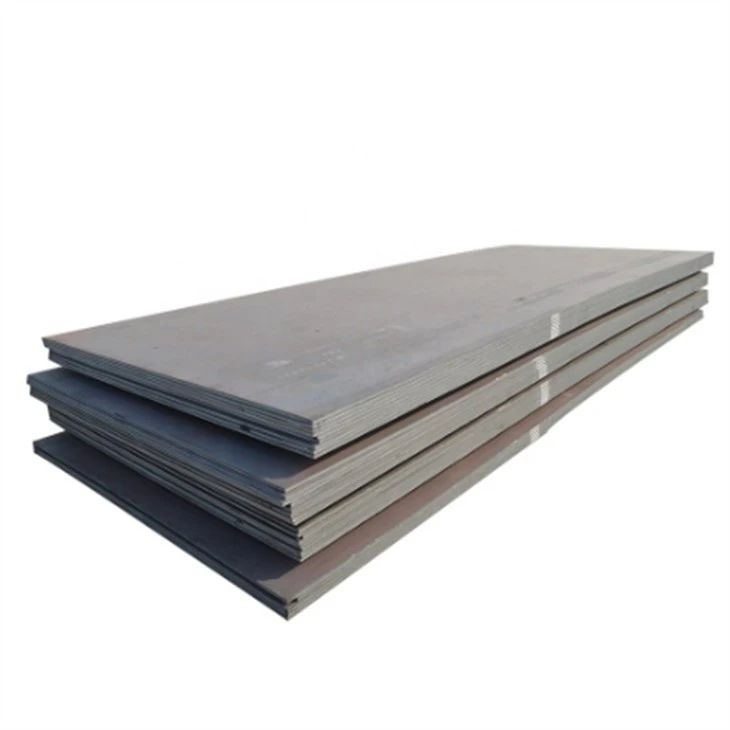

Our Offerings in Shipbuilding Steel Plates
As a supplier, we offer a wide range of shipbuilding steel plates with excellent high - temperature properties. Our Manufacturer Direct Sales Of High Quality DH36 Shipbuilding Steel Plate is a prime example. DH36 steel is known for its high strength and good toughness, even at elevated temperatures. It is widely used in the construction of high - performance ships.
Another popular product is our CCS A Shipbuilding Steel Plate. This steel plate meets the strict requirements of the China Classification Society (CCS). It has excellent high - temperature oxidation resistance, making it suitable for use in various shipbuilding applications, especially in areas exposed to high temperatures.
We also supply EH32 Shipbuilding Steel Plate. EH32 steel is characterized by its high strength and good low - temperature toughness. At the same time, it also exhibits satisfactory high - temperature properties, ensuring the safety and performance of ships in different operating conditions.
Conclusion and Call to Action
In conclusion, the high - temperature properties of shipbuilding steel plates are of utmost importance for the performance, safety, and reliability of ships. Our company is committed to providing high - quality steel plates with excellent high - temperature characteristics. Whether you are a shipbuilder, a shipowner, or an engineer in the maritime industry, we can offer you the right steel plate solutions to meet your specific needs.
If you are interested in our shipbuilding steel plates or have any questions about their high - temperature properties, please feel free to contact us for procurement and further discussions. We look forward to working with you to build safer and more reliable ships.
References
- ASM Handbook Committee. (1997). ASM Handbook Volume 1: Properties and Selection: Irons, Steels, and High - Performance Alloys. ASM International.
- Bhadeshia, H. K. D. H., & Honeycombe, R. W. K. (2017). Steels: Microstructure and Properties. Elsevier.
- Ship Structure Committee. (2008). Fire - Induced Structural Behavior of Naval Ship Structures. SSC Report 568.


