


In the realm of shipbuilding and offshore engineering, EH36 steel plate is a crucial material due to its excellent mechanical properties and corrosion resistance. As a supplier of EH36 Steel Plate ABS/LR/DNV Approved for Shipbuilding & Offshore, I am well - versed in the standards set by major classification societies such as the American Bureau of Shipping (ABS), Lloyd's Register (LR), and Det Norske Veritas (DNV). This blog will delve into the cutting standards of EH36 steel plates approved by these three classification societies.
General Requirements for EH36 Steel Plates
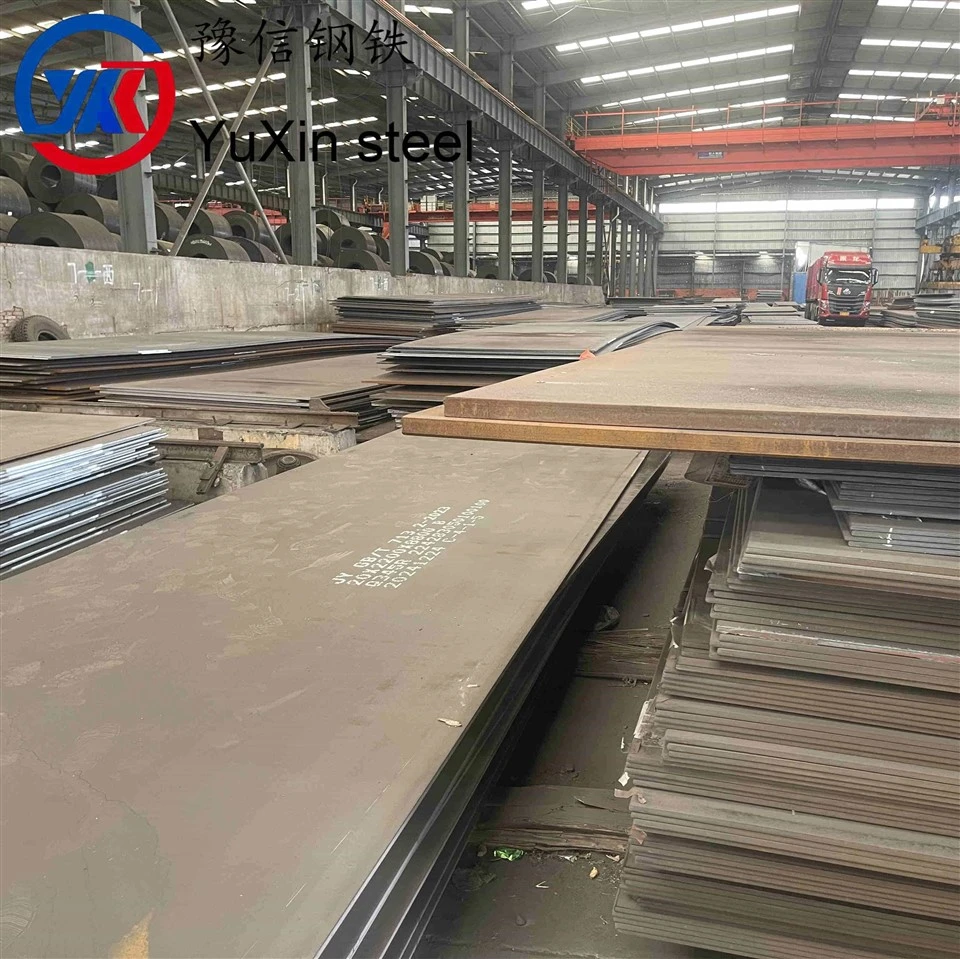
EH36 steel is a high - strength, low - alloy steel commonly used in shipbuilding and offshore structures. It has a minimum yield strength of 355 MPa and a minimum tensile strength of 490 - 620 MPa. These properties make it suitable for applications where high strength and good weldability are required, such as hulls, decks, and offshore platforms.
The steel plates must meet the chemical composition requirements specified by each classification society. For example, the carbon content should be within a certain range to ensure proper mechanical properties and weldability. Sulfur and phosphorus contents are also strictly controlled to prevent brittleness and other defects.
Cutting Standards by ABS
The American Bureau of Shipping (ABS) has strict standards for the cutting of EH36 steel plates. When it comes to thermal cutting, such as oxy - fuel cutting or plasma cutting, the cut edges must be smooth and free from excessive dross, cracks, and undercuts. The surface roughness of the cut edges should be within a specified range to ensure good fit - up during assembly and welding.
ABS also requires that the cutting process does not cause significant changes in the mechanical properties of the steel plate near the cut edge. Heat - affected zones (HAZs) should be minimized to avoid reducing the strength and toughness of the material. To achieve this, appropriate cutting parameters, such as cutting speed, gas flow rate, and power settings, need to be carefully selected.
For mechanical cutting methods, like shearing or sawing, the cut edges should be straight and perpendicular to the plate surface. The dimensional accuracy of the cut parts is crucial, and any deviations from the specified dimensions should be within the tolerance limits set by ABS.
Cutting Standards by LR
Lloyd's Register (LR) places great emphasis on the quality of the cut edges of EH36 steel plates. Similar to ABS, LR requires that the cut edges are free from defects such as cracks, porosity, and excessive burrs. In addition, the cut edges should have a proper bevel angle if welding is to be performed. The bevel angle is designed to ensure proper penetration and fusion during the welding process.
LR also has requirements for the heat input during thermal cutting. Excessive heat input can lead to grain growth in the HAZ, which may reduce the mechanical properties of the steel. Therefore, the cutting process should be optimized to control the heat input and minimize the HAZ.
When it comes to mechanical cutting, LR requires that the cutting equipment is well - maintained and calibrated to ensure accurate cutting. The cut parts should be inspected for any signs of damage or deformation during the cutting process.
Cutting Standards by DNV
Det Norske Veritas (DNV) has its own set of standards for cutting EH36 steel plates. DNV focuses on the overall quality and integrity of the cut parts. The cut edges should have a consistent finish and should be free from any irregularities that could affect the performance of the final structure.
DNV also requires that the cutting process is documented and traceable. This means that the cutting parameters, equipment used, and operator information should be recorded for quality control purposes. In case of any issues or non - conformities, the records can be used to identify the root cause and take corrective actions.
For thermal cutting, DNV recommends pre - heating the steel plate to a certain temperature to reduce the risk of cracking. The pre - heating temperature depends on the thickness of the steel plate and the cutting method used.

Importance of Meeting the Standards
Meeting the cutting standards set by ABS, LR, and DNV is of utmost importance in shipbuilding and offshore engineering. Non - compliant cutting can lead to various problems, such as poor fit - up during assembly, reduced weld quality, and compromised structural integrity. These issues can result in costly repairs, delays in project completion, and even safety hazards.
By adhering to the standards, shipbuilders and offshore fabricators can ensure that the EH36 steel plates are cut to the highest quality, which in turn contributes to the overall quality and reliability of the final structure.
Our Role as a Supplier
As a supplier of EH36 Steel Plate ABS/LR/DNV Approved for Shipbuilding & Offshore, we play a crucial role in ensuring that the steel plates we provide meet the cutting standards. We work closely with our customers to understand their specific requirements and provide them with the necessary technical support.
We source our EH36 steel plates from reputable mills that have a proven track record of producing high - quality steel. Our plates are thoroughly inspected and tested to ensure compliance with the standards of ABS, LR, and DNV. We also provide detailed documentation, including mill certificates and test reports, to prove the quality and compliance of our products.
In addition to supplying high - quality steel plates, we can also offer advice on the cutting process. Our technical experts have in - depth knowledge of the cutting standards and can help our customers select the most appropriate cutting method and parameters for their specific applications.
Related Products
If you are interested in other types of shipbuilding steel plates, we also offer CCS A Shipbuilding Steel Plate. This type of steel plate is widely used in various shipbuilding projects and meets the standards of the China Classification Society (CCS).
We also supply AH36, DH36, EH36 Steel Plate For Shipbuilding. These high - strength steel plates are suitable for different parts of the ship, providing excellent performance and durability.
For a comprehensive range of Steel Plate For Shipbuilding, you can explore our product catalog to find the most suitable steel plates for your shipbuilding and offshore projects.
Contact Us for Procurement
If you are in the market for high - quality EH36 steel plates that meet the standards of ABS, LR, and DNV, or if you have any questions about the cutting standards or our products, we encourage you to contact us. Our sales team is ready to assist you with your procurement needs and provide you with detailed information and quotations.
References
- American Bureau of Shipping (ABS) Rules for Building and Classing Steel Vessels
- Lloyd's Register (LR) Rules and Regulations for the Classification of Ships
- Det Norske Veritas (DNV) Rules for Classification of Offshore Structures


