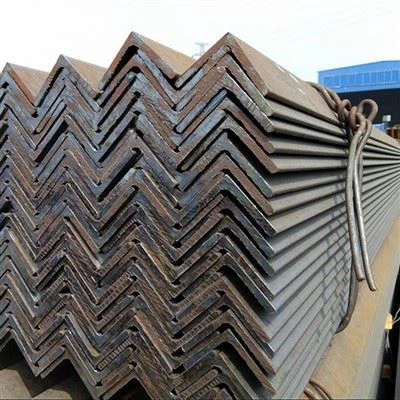
As a supplier of Zinc-Plated Steel, I've witnessed firsthand the diverse applications and requirements of our products. One of the most common questions I encounter is about the difference in corrosion protection between light and heavy zinc-plated steel. In this blog, I'll delve into the details of these two types of zinc-plated steel, exploring their characteristics, advantages, and suitable applications.
Understanding Zinc Plating
Zinc plating is a process that involves coating steel with a layer of zinc to protect it from corrosion. The zinc layer acts as a sacrificial anode, corroding in place of the steel and preventing rust from forming. The thickness of the zinc layer can vary, and this variation is what differentiates light and heavy zinc-plated steel.
Light Zinc-Plated Steel
Light zinc-plated steel typically has a thinner zinc coating, usually ranging from 5 to 20 microns. This type of plating is often used in applications where the steel is not exposed to harsh environmental conditions or where cost is a significant factor.


Advantages
- Cost-Effective: Since it uses less zinc, light zinc-plated steel is generally more affordable than heavy zinc-plated steel. This makes it a popular choice for applications where budget is a concern.
- Good Aesthetic Appearance: The thin zinc layer gives the steel a smooth and shiny finish, which can be appealing for certain applications.
- Suitable for Indoor Use: Light zinc-plated steel provides adequate corrosion protection for indoor applications, such as furniture, electrical enclosures, and automotive components.
Disadvantages
- Limited Corrosion Resistance: The thin zinc layer offers less protection against corrosion compared to heavy zinc-plated steel. It may not be suitable for applications where the steel is exposed to high humidity, saltwater, or other corrosive environments.
- Shorter Lifespan: Due to the thinner zinc layer, light zinc-plated steel has a shorter lifespan than heavy zinc-plated steel. It may require more frequent maintenance or replacement in harsh conditions.
Heavy Zinc-Plated Steel
Heavy zinc-plated steel has a thicker zinc coating, typically ranging from 20 to 100 microns or more. This type of plating provides superior corrosion protection and is often used in applications where the steel is exposed to harsh environmental conditions.
Advantages
- High Corrosion Resistance: The thick zinc layer provides excellent protection against corrosion, even in harsh environments. It can withstand exposure to saltwater, high humidity, and other corrosive substances.
- Longer Lifespan: Heavy zinc-plated steel has a longer lifespan than light zinc-plated steel, reducing the need for frequent maintenance or replacement.
- Suitable for Outdoor Use: This type of plating is ideal for outdoor applications, such as construction, marine, and automotive industries.
Disadvantages
- Higher Cost: The thicker zinc layer requires more zinc, which increases the cost of production. Heavy zinc-plated steel is generally more expensive than light zinc-plated steel.
- Heavier Weight: The additional zinc coating adds weight to the steel, which may be a consideration in applications where weight is a concern.
Applications
The choice between light and heavy zinc-plated steel depends on the specific application and the environmental conditions the steel will be exposed to. Here are some common applications for each type:
Light Zinc-Plated Steel
- Furniture: Light zinc-plated steel is commonly used in the manufacturing of furniture, such as chairs, tables, and cabinets. It provides a cost-effective solution with a good aesthetic appearance.
- Electrical Enclosures: Electrical enclosures are often made of light zinc-plated steel to protect the electrical components from corrosion. The thin zinc layer provides adequate protection for indoor use.
- Automotive Components: Light zinc-plated steel is used in the production of various automotive components, such as brackets, frames, and panels. It offers a balance between cost and corrosion resistance.
Heavy Zinc-Plated Steel
- Construction: Heavy zinc-plated steel is widely used in the construction industry for applications such as roofing, siding, and structural components. It provides long-lasting corrosion protection in outdoor environments.
- Marine Industry: The marine industry requires steel that can withstand the harsh conditions of saltwater. Heavy zinc-plated steel is commonly used in the construction of boats, docks, and offshore structures.
- Automotive Industry: Heavy zinc-plated steel is used in the production of automotive parts that are exposed to harsh environmental conditions, such as chassis, bumpers, and suspension components.
Conclusion
In conclusion, the difference in corrosion protection between light and heavy zinc-plated steel lies in the thickness of the zinc coating. Light zinc-plated steel offers a cost-effective solution with good aesthetic appearance and is suitable for indoor applications. Heavy zinc-plated steel provides superior corrosion protection and is ideal for outdoor applications where the steel is exposed to harsh environmental conditions.
As a supplier of Zinc-Plated Steel, we offer a wide range of products to meet the diverse needs of our customers. Whether you need light or heavy zinc-plated steel, we can provide you with high-quality products at competitive prices. If you're interested in learning more about our products or have any questions, please feel free to contact us for procurement discussions. We look forward to working with you.
References
- "Zinc Coating Thickness and Corrosion Resistance." Corrosionpedia.
- "Galvanized Steel: Types and Applications." The Balance Small Business.
- "Heavy vs. Light Zinc Plating: What's the Difference?" American Galvanizers Association.