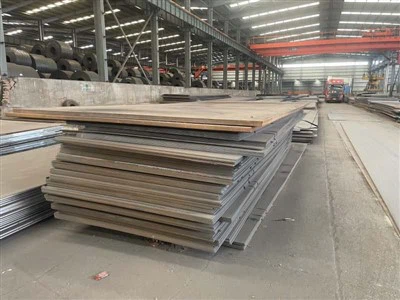
Hey there! As a supplier of angle steel plates, I often get asked about the fasteners used to install these bad boys. So, I thought I'd put together this blog post to give you the lowdown on what fasteners are the best fit for installing angle steel plates.
First off, let's talk about what angle steel plates are. Angle steel plates, like the Q335B Angle Steel Plate, are L-shaped steel sections that are commonly used in construction, manufacturing, and various other industries. They're known for their strength and versatility, making them a popular choice for a wide range of applications.
Now, when it comes to installing angle steel plates, choosing the right fasteners is crucial. The fasteners you use need to be strong enough to hold the angle steel plates in place securely, while also being compatible with the material of the plates and the surface they're being attached to.
Bolts and Nuts
One of the most common types of fasteners used for installing angle steel plates is bolts and nuts. Bolts are threaded rods that are inserted through holes in the angle steel plates and the surface they're being attached to. Nuts are then screwed onto the bolts to secure them in place.
There are several different types of bolts and nuts that can be used for installing angle steel plates. Some of the most popular options include:
- Hex Bolts: These are the most common type of bolts used for general-purpose applications. They have a hexagonal head that can be easily tightened using a wrench.
- Carriage Bolts: These bolts have a rounded head and a square shoulder under the head. They're often used in applications where the bolt head needs to be flush with the surface of the angle steel plate.
- Machine Bolts: These bolts are similar to hex bolts, but they have a finer thread pitch. They're often used in applications where a more precise fit is required.
When choosing bolts and nuts for installing angle steel plates, it's important to consider the size and strength of the fasteners. The size of the bolts and nuts you choose will depend on the thickness of the angle steel plates and the load they'll be carrying. You'll also want to make sure that the bolts and nuts are made from a material that's compatible with the angle steel plates, such as stainless steel or galvanized steel.
Welding
Another option for installing angle steel plates is welding. Welding involves melting the edges of the angle steel plates and the surface they're being attached to, and then allowing the molten metal to cool and solidify. This creates a strong, permanent bond between the angle steel plates and the surface.
Welding is a popular choice for installing angle steel plates in applications where a high level of strength and durability is required. However, it's important to note that welding requires specialized equipment and skills, so it's not always the best option for DIY projects.
Rivets
Rivets are another type of fastener that can be used for installing angle steel plates. Rivets are small, cylindrical pins that are inserted through holes in the angle steel plates and the surface they're being attached to. The ends of the rivets are then deformed using a rivet gun, creating a permanent bond between the angle steel plates and the surface.


Rivets are a popular choice for installing angle steel plates in applications where a high level of strength and durability is required, but welding isn't an option. They're also a good choice for applications where a clean, finished look is desired, as the rivet heads can be made to be flush with the surface of the angle steel plates.
Screws
Screws are another type of fastener that can be used for installing angle steel plates. Screws are threaded fasteners that are inserted into pre-drilled holes in the angle steel plates and the surface they're being attached to. They're then tightened using a screwdriver or a power drill.
Screws are a popular choice for installing angle steel plates in applications where a quick and easy installation is required. They're also a good choice for applications where the angle steel plates need to be removed or replaced in the future.
Choosing the Right Fasteners
When choosing fasteners for installing angle steel plates, there are several factors to consider. These include:
- Load Capacity: The fasteners you choose need to be strong enough to hold the angle steel plates in place securely, even under heavy loads.
- Material Compatibility: The fasteners you choose need to be made from a material that's compatible with the angle steel plates and the surface they're being attached to.
- Installation Method: The installation method you choose will depend on the type of fasteners you're using and the application. Some fasteners, such as bolts and nuts, require drilling holes in the angle steel plates and the surface they're being attached to. Other fasteners, such as rivets and screws, can be installed without drilling holes.
- Cost: The cost of the fasteners you choose will depend on the type of fasteners, the size, and the material. You'll want to choose fasteners that are within your budget, but also meet your requirements for strength and durability.
Conclusion
In conclusion, there are several different types of fasteners that can be used for installing angle steel plates, including bolts and nuts, welding, rivets, and screws. The type of fasteners you choose will depend on the application, the load capacity, the material compatibility, the installation method, and the cost.
If you're in the market for angle steel plates, be sure to check out our Q335B Angle Steel Plate. We offer a wide range of high-quality angle steel plates at competitive prices. And if you have any questions about installing angle steel plates or choosing the right fasteners, don't hesitate to contact us. We're here to help you find the right solutions for your project.
References
- "Structural Steel Design Handbook" by Jack C. McCormac
- "Steel Construction Manual" by the American Institute of Steel Construction