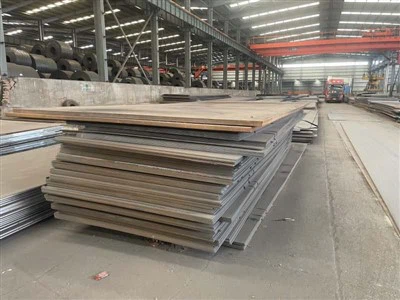
Hey there! As a seamless tube supplier, I've been in the business long enough to know that surface treatments for seamless tubes are super important. They not only enhance the appearance of the tubes but also play a crucial role in improving their performance and durability. So, let's dive into the world of surface treatments for seamless tubes.
1. Galvanizing
Galvanizing is one of the most common surface treatments for seamless tubes. It involves coating the tube with a layer of zinc to protect it from corrosion. There are two main types of galvanizing: hot - dip galvanizing and electro - galvanizing.
Hot - dip galvanizing is a process where the seamless tube is dipped into a bath of molten zinc. This creates a thick, durable zinc coating that adheres well to the tube surface. The coating can withstand harsh environmental conditions, making it ideal for outdoor applications. For example, if you're using seamless tubes in a marine environment, hot - dip galvanized tubes can resist the corrosive effects of saltwater. You can check out our Marine Pipe section for more details on tubes suitable for such applications.
On the other hand, electro - galvanizing is a more precise process. It uses an electric current to deposit a thin layer of zinc onto the tube surface. This method provides a smoother finish compared to hot - dip galvanizing and is often used when a more aesthetically pleasing appearance is required. However, the coating is generally thinner and may not offer the same level of long - term corrosion protection as hot - dip galvanizing.
2. Painting
Painting is another popular surface treatment for seamless tubes. It can be used for both decorative and protective purposes. There are various types of paints available, each with its own properties and applications.
Epoxy paints are known for their excellent chemical resistance. They can protect the seamless tube from exposure to chemicals, solvents, and other corrosive substances. This makes them a great choice for industrial applications where the tubes may come into contact with harsh chemicals.
Acrylic paints, on the other hand, offer good weather resistance. They can withstand UV rays, moisture, and temperature changes without fading or peeling. So, if you're using seamless tubes in an outdoor setting, acrylic - painted tubes can maintain their appearance over time.
When painting seamless tubes, it's important to prepare the surface properly. This usually involves cleaning the tube to remove any dirt, oil, or rust. A primer may also be applied to improve the adhesion of the paint.
3. Powder Coating
Powder coating is a modern surface treatment technique that has gained popularity in recent years. It involves applying a dry powder to the tube surface and then heating it to form a hard, durable coating.
One of the main advantages of powder coating is its environmental friendliness. Unlike traditional liquid paints, powder coatings don't contain solvents, which means they produce fewer volatile organic compounds (VOCs). This makes them a more sustainable option.
Powder - coated seamless tubes also offer excellent durability. The coating is resistant to chipping, scratching, and fading. It can provide long - term protection against corrosion and wear, making it suitable for a wide range of applications. Whether you're using the tubes in automotive, construction, or furniture industries, powder - coated tubes can offer a high - quality finish.
4. Passivation
Passivation is a chemical treatment that is commonly used for stainless steel seamless tubes. It involves treating the tube with an acid solution to remove free iron and other contaminants from the surface. This creates a passive oxide layer on the tube, which helps to prevent corrosion.
The passivation process not only enhances the corrosion resistance of the stainless steel tube but also improves its appearance. It gives the tube a clean, uniform finish. Passivated stainless steel tubes are often used in applications where hygiene and corrosion resistance are critical, such as in the food and beverage industry or medical equipment.
5. Phosphating
Phosphating is a surface treatment that involves depositing a phosphate coating on the seamless tube. This coating can improve the adhesion of paints, primers, and other coatings. It also provides some level of corrosion protection.
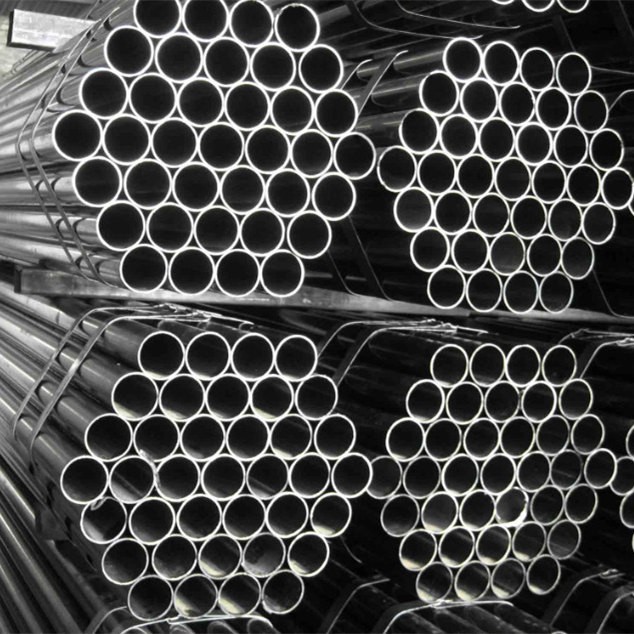
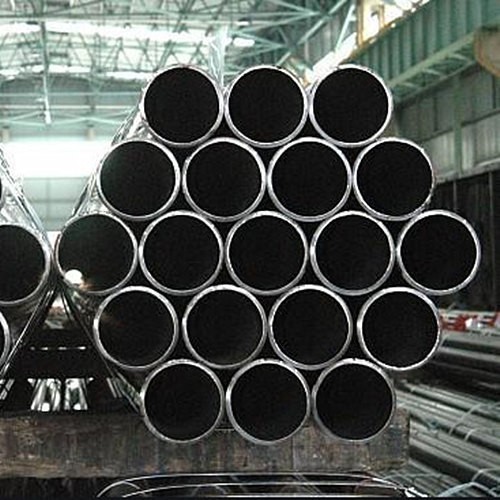
There are different types of phosphating processes, such as zinc phosphating and iron phosphating. Zinc phosphating is more commonly used for applications where a high level of corrosion resistance is required. It forms a thicker and more durable phosphate coating compared to iron phosphating.
Phosphated seamless tubes are often used as a base for further coating applications. For example, after phosphating, the tube can be painted or powder - coated to enhance its appearance and protection.
6. Heat Treatment - Related Surface Effects
Heat treatment is not strictly a surface treatment, but it can have significant effects on the tube's surface. Processes like annealing, quenching, and tempering can change the microstructure of the tube, which in turn can affect its surface properties.
Annealing is a heat treatment process that involves heating the tube to a specific temperature and then slowly cooling it. This can relieve internal stresses in the tube and improve its ductility. The surface of an annealed tube may be smoother and more uniform, which can be beneficial for subsequent surface treatments like painting or coating.
Quenching, on the other hand, involves rapid cooling of the tube after heating. This can make the tube harder but may also introduce some surface stresses. Proper tempering after quenching is often required to reduce these stresses and improve the overall performance of the tube.
Why Surface Treatments Matter
The choice of surface treatment for seamless tubes depends on several factors, including the application, the environment in which the tube will be used, and the desired appearance. For example, if you're supplying seamless tubes for a construction project in a coastal area, a hot - dip galvanized or powder - coated tube would be a good choice due to their high corrosion resistance.
In the industrial sector, where tubes may be exposed to chemicals or high - wear conditions, treatments like passivation or phosphating can provide the necessary protection. And for applications where aesthetics are important, such as in furniture or architectural projects, painting or powder coating can give the tubes a great look.
As a seamless tube supplier, I understand the importance of offering tubes with the right surface treatments. That's why we have a wide range of options available, including Alloy Tube and Hot Expanded Steel Pipe, each with different surface treatment possibilities to meet your specific needs.
If you're in the market for seamless tubes and want to discuss the best surface treatment options for your project, don't hesitate to reach out. We're here to help you make the right choice and ensure that you get high - quality tubes that perform well in your application.
References
- "Steel Pipe Handbook"
- "Surface Treatment Technologies for Metals"
- Industry research reports on seamless tube applications and treatments