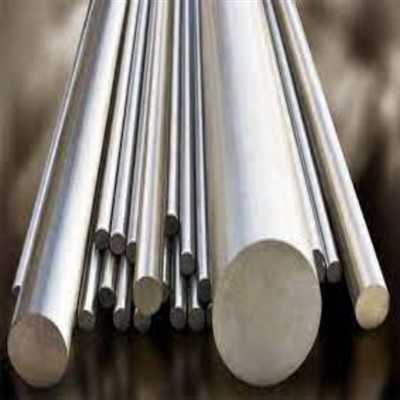
What is the role of rebar steel in shear walls?
Rebar steel, also known as reinforcing steel or reinforcement bar, plays a pivotal role in the construction of shear walls. As a prominent rebar steel supplier, I have witnessed firsthand the indispensable nature of this material in ensuring the structural integrity and safety of buildings. In this blog post, I will delve into the various functions of rebar steel in shear walls and highlight its significance in modern construction.
Understanding Shear Walls
Before discussing the role of rebar steel, it is essential to understand what shear walls are and why they are crucial in building design. Shear walls are vertical structural elements that are designed to resist lateral forces, such as those caused by wind, earthquakes, or other dynamic loads. These walls are typically made of reinforced concrete or masonry and are strategically placed within a building to provide stability and prevent excessive swaying or collapse during extreme events.
Shear walls work by transferring the lateral forces acting on a building to the foundation, where they are dissipated into the ground. This helps to reduce the stress on the building's structural frame and other components, thereby protecting the occupants and the integrity of the structure. In high - rise buildings, shear walls are particularly important as they can significantly enhance the building's resistance to wind and seismic forces.
The Role of Rebar Steel in Shear Walls
1. Reinforcement and Strength Enhancement
One of the primary functions of rebar steel in shear walls is to enhance the strength and ductility of the concrete. Concrete is a strong material in compression but relatively weak in tension. When a shear wall is subjected to lateral forces, it experiences both compressive and tensile stresses. The rebar steel is placed within the concrete to resist the tensile forces, which helps to prevent cracking and failure of the wall.
The rebar steel acts as a skeleton within the concrete, providing additional strength and support. By distributing the tensile stresses evenly throughout the wall, the rebar helps to prevent localized failure and ensures that the wall can withstand the design loads. This is especially important in seismic - prone areas, where the ability of the shear wall to deform without collapsing is crucial for the safety of the building.
2. Crack Control
Rebar steel also plays a vital role in controlling cracks in shear walls. When concrete dries and hardens, it undergoes shrinkage, which can lead to the formation of cracks. Additionally, the lateral forces acting on the shear wall can cause cracks to develop. The rebar steel helps to hold the concrete together and prevents the cracks from propagating.
The rebar steel is placed in a grid pattern within the shear wall, which provides a restraint against the movement of the concrete. As the concrete tries to shrink or deform, the rebar resists the movement and helps to keep the cracks small and well - distributed. This not only improves the appearance of the wall but also maintains its structural integrity.


3. Anchorage and Connection
In addition to providing strength and crack control, rebar steel is used for anchorage and connection purposes in shear walls. The rebar is anchored into the foundation and other structural elements to ensure that the shear wall is securely attached to the building. This helps to transfer the lateral forces from the wall to the foundation and other supporting structures.
The rebar steel is also used to connect different parts of the shear wall together. For example, in a multi - story building, the rebar is used to connect the shear walls at different levels, which helps to create a continuous load - path and improves the overall stability of the building.
4. Seismic Resistance
In seismic - prone regions, the role of rebar steel in shear walls becomes even more critical. During an earthquake, the ground shakes, causing the building to experience large lateral forces. The rebar steel in the shear walls helps to absorb and dissipate the seismic energy, which reduces the damage to the building.
The ductility of the rebar steel allows the shear wall to deform in a controlled manner during an earthquake. This means that the wall can bend and flex without breaking, which helps to prevent the collapse of the building. The rebar steel also helps to maintain the integrity of the wall after the earthquake, which is important for the post - disaster recovery of the building.
Types of Rebar Steel Used in Shear Walls
There are several types of rebar steel that are commonly used in shear walls, each with its own unique properties and advantages. Two of the most popular types are HRB 500E and HRB 400E.
HRB 500E is a high - strength rebar steel that offers excellent ductility and seismic resistance. It has a minimum yield strength of 500 MPa, which makes it suitable for use in high - rise buildings and other structures that require high strength and durability. HRB 500E is also designed to have a good balance between strength and ductility, which is important for seismic performance.
HRB 400E is another commonly used rebar steel in shear walls. It has a minimum yield strength of 400 MPa and offers good ductility and weldability. HRB 400E is a cost - effective option for many construction projects and is widely used in both residential and commercial buildings.
Conclusion
In conclusion, rebar steel is an essential component in the construction of shear walls. Its role in enhancing the strength, controlling cracks, providing anchorage, and improving seismic resistance cannot be overstated. As a rebar steel supplier, I am committed to providing high - quality rebar steel products that meet the strictest industry standards.
If you are involved in a construction project that requires shear walls, I encourage you to consider the importance of using the right rebar steel. Our team of experts can help you select the appropriate type and size of rebar steel for your project, ensuring that your shear walls are strong, durable, and safe.
Whether you are building a small residential home or a large commercial high - rise, the quality of the rebar steel in your shear walls can make a significant difference in the performance and longevity of your building. Contact us today to discuss your rebar steel requirements and let us help you build a safer and more resilient structure.
References
- "Reinforced Concrete Structures" by Arthur H. Nilson, David Darwin, and Charles W. Dolan.
- "Seismic Design of Reinforced Concrete and Masonry Buildings" by T. Paulay and M. J. N. Priestley.
- "Concrete Construction Handbook" by Edward G. Nawy.