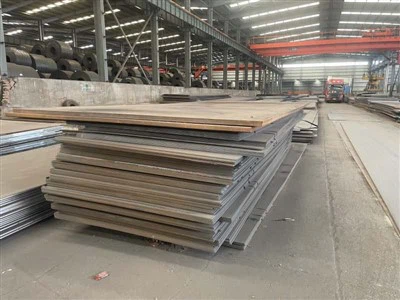
Can angle steel plates be used in seismic-resistant structures? Well, as an angle steel plate supplier, I've had my fair share of discussions on this topic. And let me tell you, it's a question that comes up quite often, especially in areas prone to earthquakes.
First off, let's talk about what angle steel plates are. They're basically steel bars bent at a right angle, forming an L shape. These plates are super versatile and are used in a wide range of construction projects, from building frames to support structures. They're known for their strength and durability, which makes them a popular choice among builders.
Now, when it comes to seismic-resistant structures, the main goal is to design buildings that can withstand the forces generated by an earthquake. These forces can be incredibly powerful, and they can cause a lot of damage if a building isn't properly designed to handle them. So, the big question is, can angle steel plates play a role in making a structure more earthquake-resistant?
The answer is yes, they can. Angle steel plates have several properties that make them suitable for seismic applications. For starters, they have good ductility. Ductility is the ability of a material to deform without breaking under stress. In an earthquake, a building needs to be able to bend and flex a bit to absorb the energy of the seismic waves. Angle steel plates can do just that. They can stretch and bend without shattering, which helps to prevent the sudden collapse of a structure.
Another important property is their high strength. Angle steel plates are made from high-quality steel, which gives them the ability to resist large forces. During an earthquake, the ground shakes violently, and the building experiences significant lateral loads. The angle steel plates can help to transfer these loads safely through the structure, reducing the risk of damage.
Let's take a look at some real-world examples. In many earthquake-prone regions, angle steel plates are used in the construction of steel frames. These frames act as the backbone of the building, providing support and stability. The angle steel plates are used to connect the beams and columns, creating a rigid and strong structure. By distributing the seismic forces evenly throughout the frame, the building is better able to withstand the shaking.
There are also different types of angle steel plates available, each with its own characteristics. For instance, the Q335B Angle Steel Plate is a popular choice. It has a higher yield strength compared to some other types, which means it can withstand more stress before it starts to deform. This makes it ideal for use in seismic-resistant structures where high strength is required.
On the other hand, the Q235B Angle Steel Plate is also widely used. It has good ductility and is more cost-effective, making it a great option for smaller projects or when budget is a concern.
However, it's important to note that using angle steel plates in seismic-resistant structures isn't as simple as just throwing them into the mix. Proper design and engineering are crucial. The size, shape, and placement of the angle steel plates need to be carefully calculated based on the specific requirements of the building and the seismic activity in the area. A structural engineer will take into account factors such as the building's height, the type of soil it's built on, and the expected magnitude of the earthquakes in the region.


In addition to design, the quality of the angle steel plates also matters. As a supplier, I always make sure that the plates I offer meet the highest standards. We source our steel from reliable manufacturers and conduct strict quality control checks to ensure that the plates are free from defects and have the right mechanical properties.
So, if you're involved in a construction project in an earthquake-prone area, angle steel plates can definitely be a valuable addition to your building materials. They offer a combination of strength, ductility, and versatility that can help to make your structure more resilient to seismic forces.
But don't just take my word for it. If you have any questions or need more information about using angle steel plates in seismic-resistant structures, feel free to reach out. I'm here to help you make the right choices for your project. Whether you're building a small residential home or a large commercial building, we can provide you with the high-quality angle steel plates you need. Let's work together to create safe and durable structures that can stand up to the forces of nature.
References
- "Seismic Design of Steel Structures" by Benjamin W. Schafer
- "Structural Steel Design" by William T. Segui