Can Corten Steel be used in cultural heritage restoration?
As a Corten steel supplier, I've often been asked about the suitability of Corten steel for cultural heritage restoration projects. This is a topic that combines my passion for the unique properties of Corten steel with the respect and responsibility we all have towards preserving our cultural heritage.
Corten steel, also known as weathering steel, is a group of steel alloys that were developed to eliminate the need for painting and to form a stable rust - like appearance over time when exposed to the elements. Its unique characteristic is the formation of a protective patina on its surface. This patina acts as a barrier, preventing further corrosion of the steel beneath. The chemical composition of Corten steel typically includes elements such as copper, chromium, and nickel, which contribute to the formation of this protective layer.
One of the key advantages of using Corten steel in cultural heritage restoration is its aesthetic appeal. The warm, earthy tones of the patina can blend well with many historical architectural styles. For example, in some industrial - era heritage sites, the rusty look of Corten steel can mimic the aged appearance of the original iron and steel structures that were commonly used during that period. It can add a sense of authenticity and continuity to the site, making it a suitable choice for creating new elements that need to fit in with the existing historical fabric.
In terms of durability, Corten steel has a lot to offer. Cultural heritage sites are often exposed to harsh environmental conditions, including rain, wind, and temperature variations. Corten steel's ability to resist corrosion without the need for constant maintenance makes it an attractive option. It can withstand long - term exposure to the elements, which is crucial for ensuring the longevity of any restoration work. Unlike traditional steel, which may require regular painting and upkeep to prevent rusting, Corten steel's self - protecting patina reduces the need for such intensive maintenance, saving both time and money in the long run.
However, there are also some considerations when using Corten steel in cultural heritage restoration. One of the main concerns is the potential impact on the historical authenticity of the site. Some purists may argue that using a modern material like Corten steel in a heritage restoration project goes against the principle of using original or historically appropriate materials. In some cases, the use of Corten steel may need to be carefully evaluated to ensure that it does not detract from the historical value of the site.
Another aspect to consider is the initial appearance of Corten steel. During the early stages of exposure to the elements, the steel may develop an uneven or blotchy patina. This can be a concern in restoration projects where a consistent and aesthetically pleasing appearance is desired from the start. To address this issue, some suppliers offer pre - weathered Corten steel, which has already developed a more uniform patina before installation. This can help to achieve a more immediate and consistent look, although it may come at a higher cost.
When it comes to the technical aspects of using Corten steel in restoration, proper installation is crucial. The steel needs to be installed in a way that allows for proper drainage and ventilation to ensure the formation of a healthy patina. If the steel is installed in an area where water accumulates, it can lead to uneven corrosion and potentially damage the steel. Additionally, the connection details between Corten steel and other materials in the restoration project need to be carefully designed to prevent galvanic corrosion.
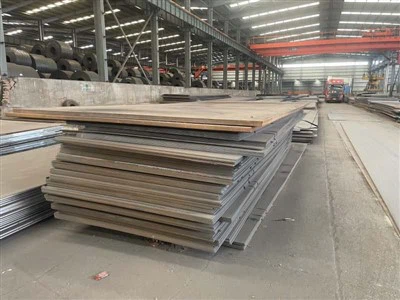
Now, let's talk about the products we offer as a Corten steel supplier. We have a wide range of Corten steel products, including Carbon Structure Steel Round Bar and Carbon Steel Sheet. Our Carbon Structure Steel Round Bar is available in various diameters and lengths, making it suitable for a variety of applications in cultural heritage restoration, such as structural supports or decorative elements. The Carbon Steel Sheet, on the other hand, can be used for cladding, roofing, or other surface - covering applications.
In recent years, there have been several successful examples of using Corten steel in cultural heritage restoration projects. For instance, in a former industrial factory that was being converted into a cultural center, Corten steel was used to create new entrance structures and walkways. The patina of the Corten steel complemented the existing brick and steel structures of the factory, giving the site a modern yet historical feel. Another example is a coastal heritage lighthouse. Corten steel was used to replace some of the corroded steel components. The steel's ability to withstand the salty and humid coastal environment ensured the long - term stability of the lighthouse.


In conclusion, Corten steel can be a viable option for cultural heritage restoration projects, but it requires careful consideration. Its aesthetic and durability advantages make it an attractive choice, but issues related to historical authenticity and initial appearance need to be addressed. As a Corten steel supplier, we are committed to providing high - quality products and technical support to ensure the success of any restoration project. If you are involved in a cultural heritage restoration project and are considering using Corten steel, I encourage you to contact us for more information and to discuss your specific needs. We can provide samples, technical specifications, and advice on installation and maintenance. Let's work together to preserve our cultural heritage while making the most of the unique properties of Corten steel.
References
- "The Handbook of Steel Construction"
- "Cultural Heritage Conservation: Principles and Practices"
- Industry reports on the use of Corten steel in construction and restoration projects.