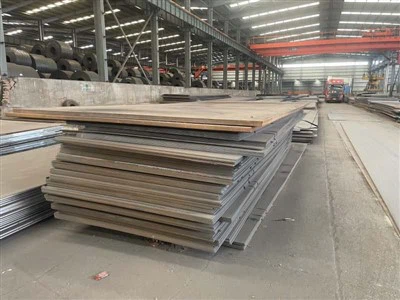
Tool steel is a category of steels known for their high hardness, wear resistance, and ability to maintain a sharp cutting edge. These properties make it a popular choice in various industrial applications, such as manufacturing cutting tools, dies, and molds. But the question arises: Can tool steel be used in medical devices? As a tool steel supplier, I will explore this topic in detail, considering the properties of tool steel, the requirements of medical devices, and potential applications.
Properties of Tool Steel
Tool steels are typically alloyed with elements such as chromium, vanadium, molybdenum, and tungsten to enhance their performance. Different types of tool steel have different compositions and properties, which determine their suitability for specific applications.
- Hardness and Wear Resistance: Tool steels are renowned for their high hardness, which allows them to withstand the high pressures and abrasion associated with cutting and forming operations. This property is crucial in medical devices that require sharp cutting edges or long - term durability, such as surgical scalpels and forceps. For example, DC53 Tool Steel has excellent wear resistance and high hardness after heat treatment, making it a potential candidate for medical cutting tools.
- Toughness: In addition to hardness, tool steels also possess good toughness, which is the ability to absorb energy without fracturing. This is important in medical devices that may be subjected to impact or stress during use, such as orthopedic implants. A tough material can prevent the device from breaking or failing under normal operating conditions.
- Corrosion Resistance: Some tool steels can be made corrosion - resistant through alloying or surface treatment. In medical applications, corrosion resistance is essential to prevent the release of harmful substances into the body and to ensure the long - term stability of the device. For instance, stainless tool steels contain chromium, which forms a passive oxide layer on the surface, protecting the steel from corrosion.
Requirements of Medical Devices
Medical devices have strict requirements in terms of safety, biocompatibility, and performance.
- Biocompatibility: Medical devices that come into contact with the human body must be biocompatible, meaning they do not cause adverse reactions such as inflammation, infection, or toxicity. Tool steel, in its raw form, may not be biocompatible. However, through proper surface treatments, such as passivation or coating, it can be made suitable for medical use. For example, a titanium nitride coating can improve the biocompatibility of tool steel by providing a smooth and inert surface.
- Sterilization: Medical devices need to be sterilized before use to prevent the spread of infection. Tool steel should be able to withstand common sterilization methods, such as autoclaving (steam sterilization), ethylene oxide sterilization, or gamma irradiation. Some tool steels may experience changes in their properties after sterilization, so it is important to select a steel that is stable under these conditions.
- Precision and Dimensional Stability: Medical devices often require high precision and dimensional stability. Tool steel can be machined to very tight tolerances, which is necessary for the accurate fit and function of medical components. Its ability to maintain its shape and dimensions over time is also crucial, especially in long - term implants.
Potential Applications of Tool Steel in Medical Devices
- Surgical Instruments: Tool steel is well - suited for the production of surgical instruments due to its hardness and wear resistance. Scalpels, scissors, and forceps made from tool steel can provide sharp and durable cutting edges, ensuring precise and efficient surgical procedures. T10A Carbon Tool Steel is a common choice for surgical blades because of its relatively high carbon content, which gives it good hardness and edge - holding ability.
- Orthopedic Implants: In orthopedics, tool steel can be used in the manufacture of implants such as bone screws, plates, and pins. The toughness and strength of tool steel can help these implants withstand the mechanical stresses imposed by the body. However, as mentioned earlier, proper surface treatment is required to ensure biocompatibility.
- Dental Tools: Dental instruments, such as drills, scalers, and tweezers, can also benefit from the properties of tool steel. The high hardness and wear resistance of tool steel allow these tools to maintain their cutting efficiency and precision during dental procedures. SK90 Tool Steel is sometimes used in dental tool manufacturing for its good combination of hardness and toughness.
Challenges and Considerations
- Cost: Tool steel can be relatively expensive compared to other materials used in medical device manufacturing. The cost of raw materials, processing, and surface treatment needs to be considered when deciding whether to use tool steel in a medical device. However, in some cases, the superior performance of tool steel may justify the higher cost.
- Regulatory Compliance: Medical devices are subject to strict regulatory requirements. Any use of tool steel in medical devices must comply with relevant standards and regulations, such as those set by the Food and Drug Administration (FDA) in the United States or the European Union's Medical Device Regulation (MDR). This may involve extensive testing and documentation to ensure the safety and effectiveness of the device.
- Material Selection: With a wide variety of tool steels available, selecting the right one for a specific medical application can be challenging. Factors such as the required properties, the manufacturing process, and the cost need to be carefully evaluated.
Conclusion
In conclusion, tool steel has the potential to be used in medical devices, thanks to its desirable properties such as hardness, wear resistance, toughness, and machinability. However, several challenges need to be addressed, including biocompatibility, sterilization, cost, and regulatory compliance. As a tool steel supplier, I am well - equipped to provide high - quality tool steel products and technical support for medical device manufacturers.
If you are interested in using tool steel for your medical device applications, I encourage you to contact me for a detailed discussion. We can work together to select the most suitable tool steel, develop appropriate surface treatment solutions, and ensure that your products meet all regulatory requirements.
References
- ASM Handbook Volume 1: Properties and Selection: Irons, Steels, and High - Performance Alloys.
- Medical Device Regulations: A Global Overview, various editions.
- Journal articles on the application of tool steels in medical devices.