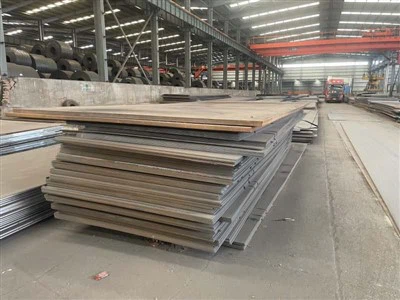
Hey there! As a supplier of silicon steel sheets, I've been getting a lot of questions lately about how these sheets perform under high-pressure conditions. So, I thought I'd dive deep into this topic and share what I've learned.
First off, let's talk about what silicon steel sheets are. Silicon steel, also known as electrical steel, is a type of steel alloy that contains silicon. This addition of silicon helps to reduce the core loss of the steel, making it ideal for use in electrical applications like transformers, motors, and generators. But what happens when these sheets are subjected to high-pressure situations?
Physical and Mechanical Changes
When silicon steel sheets are under high pressure, several physical and mechanical changes occur. One of the most noticeable changes is in the density of the material. Under high pressure, the atoms in the silicon steel are forced closer together, increasing the density of the sheet. This change in density can have a significant impact on the electrical and magnetic properties of the steel.
For example, the increased density can lead to a change in the magnetic permeability of the silicon steel. Magnetic permeability is a measure of how easily a material can be magnetized. When the density increases, the magnetic domains within the steel become more aligned, which can increase the magnetic permeability. This is important in applications like transformers, where a high magnetic permeability is desirable for efficient energy transfer.
Another mechanical change that occurs under high pressure is an increase in hardness. The pressure causes the crystal structure of the silicon steel to deform, which in turn increases the hardness of the material. This increased hardness can be beneficial in applications where the steel needs to withstand wear and tear, such as in some types of motors.
However, there are also some potential drawbacks to these changes. The increased density and hardness can make the silicon steel more brittle. This means that it may be more prone to cracking or breaking under certain conditions. So, it's important to carefully consider the application and the level of pressure the steel will be subjected to before using silicon steel sheets.
Impact on Electrical Properties
As mentioned earlier, the electrical properties of silicon steel sheets can be affected by high pressure. One of the key electrical properties is the electrical resistivity. Electrical resistivity is a measure of how much a material resists the flow of electric current.
Under high pressure, the electrical resistivity of silicon steel can change. In some cases, the resistivity may increase due to the increased density and the alignment of the crystal structure. This can be a concern in applications where low resistivity is required for efficient electrical conduction, such as in electrical motors.
On the other hand, the change in resistivity can also be used to an advantage in some applications. For example, in certain types of sensors, the change in resistivity under pressure can be used to measure the pressure itself. So, depending on the application, the change in electrical resistivity due to high pressure can either be a problem or a useful feature.
Comparison with Other Materials
When considering the performance of silicon steel sheets under high-pressure conditions, it's also useful to compare them with other materials. For instance, SBV2 Pressure Vessel Steel is a type of steel that is specifically designed for use in pressure vessels. It has excellent strength and toughness, which makes it well-suited for high-pressure applications.
Compared to SBV2 Pressure Vessel Steel, silicon steel sheets may not have the same level of strength and toughness. However, silicon steel has unique electrical and magnetic properties that make it indispensable in electrical applications. So, while SBV2 Pressure Vessel Steel may be better for pure pressure containment, silicon steel is the go-to material for electrical components that need to operate under high pressure.
Another material to consider is ASTM A276 AISI 416 Stainless Steel Round Bar. This stainless steel is known for its corrosion resistance and good machinability. In high-pressure applications, it can maintain its structural integrity better than some other materials. But again, it lacks the specific electrical and magnetic properties of silicon steel.
400 Alloy Stainless Steel is also a popular choice in various industries. It has a combination of good corrosion resistance and mechanical properties. However, like the other materials mentioned, it doesn't have the specialized electrical characteristics of silicon steel.
Applications in High-Pressure Environments
Despite the potential challenges, silicon steel sheets are still used in a variety of high-pressure applications. In the field of power generation, for example, transformers are often subjected to high internal pressures due to the flow of electrical current and the heat generated. Silicon steel is used in the cores of these transformers because of its low core loss and high magnetic permeability, which helps to improve the efficiency of the transformer.
In the automotive industry, electric motors are becoming increasingly important as more vehicles are moving towards electrification. These motors can operate under high pressure, especially in high-performance applications. Silicon steel sheets are used in the construction of these motors to ensure efficient energy conversion and reliable operation.
Conclusion
In conclusion, silicon steel sheets have unique properties that make them suitable for high-pressure applications, especially in the electrical and electronics industries. While high pressure can cause physical and mechanical changes in the material, these changes can also be either beneficial or detrimental depending on the specific application.


If you're in the market for silicon steel sheets for your high-pressure application, I'd love to talk to you. Whether you need more information about the performance of our silicon steel under high pressure or you're ready to place an order, feel free to reach out. We have a wide range of silicon steel products that can meet your specific requirements.
References
- Smith, J. (2018). Electrical Steel: Properties and Applications. Electrical Engineering Journal.
- Johnson, M. (2019). High-Pressure Effects on Metallic Alloys. Materials Science Review.
- Brown, K. (2020). The Use of Silicon Steel in High-Pressure Electrical Components. Power Generation Magazine.