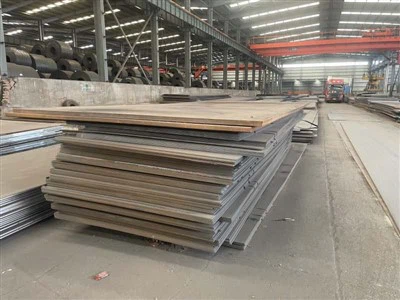
Hey there! I'm a supplier of angle steel plates, and I've seen firsthand how crucial it is to pick the right one for a project. In this blog, I'll share some tips on how to make that choice, drawing from my years of experience in the industry.
Understand Your Project Requirements
First things first, you've got to have a clear idea of what your project needs. Think about the load it'll bear, the environmental conditions it'll face, and the overall design. For instance, if you're building a structure that'll be exposed to harsh weather, you'll need an angle steel plate that can withstand corrosion.
Let's say you're constructing a small shed in your backyard. You won't need a super heavy-duty angle steel plate like you would for a large industrial building. On the other hand, if you're working on a bridge, you need to ensure the plate can handle high stress and heavy traffic.
Consider the Material
There are different types of materials used for angle steel plates, and each has its own properties. Two common ones are Q335B and Q235B.
The Q335B Angle Steel Plate is known for its high strength and good plasticity. It can handle relatively large loads and is often used in construction projects where strength is a key factor. For example, in high-rise buildings or large - scale infrastructure projects.

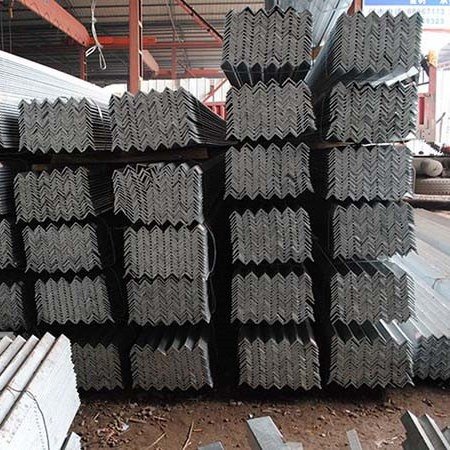
On the other hand, the Q235B Angle Steel Plate is more affordable and has decent mechanical properties. It's suitable for general construction work, like making frames for small - to - medium - sized buildings or simple structures.
Check the Dimensions
The dimensions of the angle steel plate are also super important. You need to consider the length, width, and thickness. The length should match the requirements of your project. If you need to connect multiple plates, make sure they're long enough to provide a stable connection.
The width and thickness affect the strength and load - bearing capacity. A thicker plate can generally handle more weight, but it'll also be heavier and more expensive. So, you've got to find the right balance based on your project's needs.
Evaluate the Quality
Quality is non - negotiable when it comes to angle steel plates. You want to make sure the plate is free from defects like cracks, holes, or uneven surfaces. Check for proper heat treatment, which can improve the plate's mechanical properties.
Reputable manufacturers usually have quality control measures in place. Look for certifications like ISO standards, which indicate that the product meets certain quality criteria. You can also ask for samples to inspect the quality before making a large - scale purchase.
Think About the Cost
Cost is always a factor in any project. While you don't want to compromise on quality, you also need to stay within your budget. Compare the prices of different types and sizes of angle steel plates from various suppliers.
Sometimes, buying in bulk can save you money, but make sure you have a plan for storing the extra plates. Also, consider the long - term costs. A more expensive but higher - quality plate might save you money in the long run by reducing maintenance and replacement costs.
Look at the Supplier
As an angle steel plate supplier myself, I know how important it is to choose the right one. A good supplier should have a wide range of products, so you can find the exact plate you need. They should also offer good customer service, answering your questions promptly and providing technical support if needed.
Check the supplier's reputation. Look for reviews from other customers to see if they've had positive experiences. A reliable supplier will also have a good delivery record, ensuring that your plates arrive on time.
Consult with Experts
If you're still not sure which angle steel plate to choose, don't hesitate to consult with experts. Architects, engineers, or experienced contractors can provide valuable insights based on their knowledge and experience. They can help you understand the technical aspects and make the best choice for your project.
Final Thoughts
Choosing the right angle steel plate for your project is a multi - step process. By understanding your project requirements, considering the material, checking the dimensions, evaluating the quality, thinking about the cost, looking at the supplier, and consulting with experts, you can make an informed decision.
If you're in the market for angle steel plates, I'd love to help. Whether you have questions about the products or need advice on which one is right for your project, feel free to reach out. We can start a conversation and see how we can meet your needs.
References
- Construction Materials Handbook
- Steel Industry Standards and Guidelines