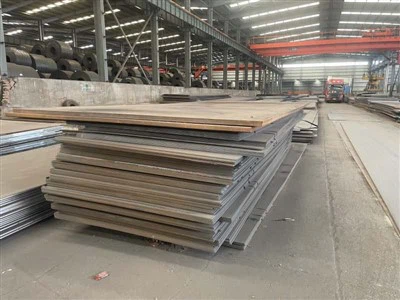
As a supplier of bridge steel plates, I've seen firsthand how crucial it is to have good anti - slip properties. Bridges are constantly exposed to all sorts of weather conditions, from rain and snow to hot sun. These elements can make the steel surface slippery, posing a serious risk to both pedestrians and vehicles. So, let's dive into some ways to improve the anti - slip properties of bridge steel plates.
Surface Treatment
One of the most common and effective ways is through surface treatment. There are a few methods we can use here.
Shot Blasting
Shot blasting is a process where small metal shots are fired at high speed onto the surface of the steel plate. This creates a rough texture on the surface, increasing the friction coefficient. The rough surface provides more contact points for tires or shoes, which helps to prevent slipping. It's a cost - effective method and can be done relatively quickly. For example, when we receive an order for bridge steel plates, we often use shot blasting as a standard pre - treatment. It not only improves anti - slip but also prepares the surface for further coating if needed.
Coating Application
Applying anti - slip coatings is another great option. There are different types of coatings available in the market. Some are epoxy - based, which are very durable and can withstand heavy traffic. These coatings contain abrasive particles like silica or aluminum oxide. When the coating is applied to the steel plate, these particles create a non - slip surface. For instance, we once supplied steel plates for a pedestrian bridge in a coastal area. We recommended an epoxy - based anti - slip coating because it was resistant to saltwater corrosion as well as providing good anti - slip properties.
Material Selection
The choice of steel material also plays a significant role in anti - slip performance.
High - Strength Low - Alloy Steels
Using high - strength low - alloy (HSLA) steels can be beneficial. For example, Q345qE High Strength Low Alloy Steel has good mechanical properties and can be made into a surface with better anti - slip characteristics. These steels often have a more uniform microstructure, which can be better prepared for surface treatments. Another option is Q355D High Strength Low Alloy Steel. It offers a good balance between strength and formability, and with proper treatment, it can have excellent anti - slip performance. Q420qC High Strength Low Alloy Steel is also a high - strength option. The higher strength can sometimes allow for more aggressive surface treatments without compromising the structural integrity of the plate.
Design Considerations
The design of the bridge steel plate can also enhance anti - slip properties.
Grooving
We can add grooves to the steel plate surface. Grooves act as channels to drain water, reducing the risk of hydroplaning on wet surfaces. For example, in a bridge that experiences a lot of rainfall, we can design the steel plates with parallel grooves. The width and depth of the grooves need to be carefully calculated based on the expected water flow and traffic load. This way, even during heavy rain, the water can quickly drain away, maintaining good friction between the tires or shoes and the steel surface.
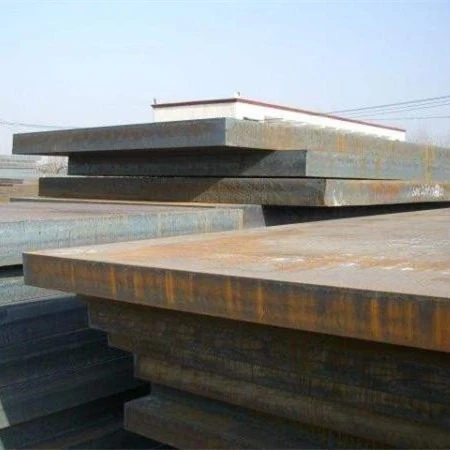
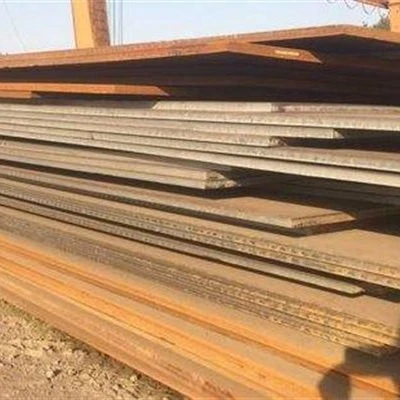
Patterned Surfaces
Creating patterned surfaces on the steel plates is another design approach. Patterns like diamonds or squares can increase the surface area in contact with the moving objects. When a vehicle or a person steps on a patterned steel plate, the pattern provides more resistance, preventing slipping. We've used this design in many bridge projects, especially in areas with high - foot traffic or where safety is a top priority.
Maintenance
Once the bridge steel plates are installed, proper maintenance is essential to keep the anti - slip properties intact.
Regular Cleaning
Regular cleaning helps to remove dirt, debris, and oil that can accumulate on the surface. Over time, these substances can reduce the friction and make the surface slippery. We usually recommend a cleaning schedule based on the environment where the bridge is located. For example, a bridge near a factory may need more frequent cleaning due to the presence of industrial pollutants.
Inspections
Periodic inspections are necessary to check the condition of the anti - slip surface. We can use specialized equipment to measure the friction coefficient. If the friction coefficient drops below the acceptable level, it may be time to re - apply the coating or perform additional surface treatments. This proactive approach ensures that the bridge remains safe for use throughout its lifespan.
Conclusion
Improving the anti - slip properties of bridge steel plates is a multi - faceted process. It involves proper surface treatment, material selection, design considerations, and maintenance. As a bridge steel plate supplier, we're committed to providing high - quality products with excellent anti - slip performance. If you're in the market for bridge steel plates and are concerned about anti - slip properties, we'd love to have a chat with you. We can offer professional advice based on your specific requirements and help you choose the best solutions for your bridge project. Whether it's about the right material, surface treatment, or design, we're here to assist. Contact us today to start the procurement discussion and make your bridge project safer and more reliable.
References
- ASTM International. "Standard Test Method for Measuring Surface Frictional Properties Using the Dynamic Friction Tester." ASTM E303 - 93(2018).
- Bridge Engineering Handbook. Edited by Wei - Wu Yu. CRC Press, 2017.
- "Anti - Slip Coatings for Bridge Structures: A Review." Journal of Constructional Steel Research, Volume 145, 2018.