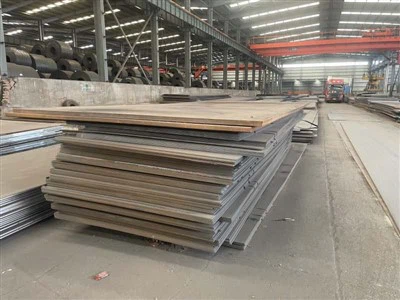
As a seasoned steel plate supplier, I've witnessed firsthand the crucial role that steel plate hardness plays in various industries. Whether it's for construction, automotive manufacturing, or heavy machinery, the right level of hardness can significantly enhance the performance and durability of steel plates. In this blog post, I'll share some effective strategies on how to improve the hardness of steel plates, drawing from my years of experience in the industry.


Understanding Steel Hardness
Before delving into the methods of improving steel hardness, it's essential to understand what hardness means in the context of steel. Hardness refers to a material's resistance to deformation, particularly indentation, scratching, or abrasion. In the case of steel plates, hardness is often measured using standardized tests such as the Rockwell, Brinell, or Vickers hardness tests.
The hardness of steel is primarily determined by its chemical composition and the heat treatment process it undergoes. Different alloying elements, such as carbon, manganese, chromium, and nickel, can have a significant impact on the hardness of steel. Additionally, heat treatment processes, including quenching, tempering, and annealing, can alter the microstructure of steel, thereby affecting its hardness.
Alloying Elements for Hardness
One of the most effective ways to improve the hardness of steel plates is by adding alloying elements during the steelmaking process. Here are some common alloying elements and their effects on steel hardness:
- Carbon (C): Carbon is the most fundamental alloying element in steel. Increasing the carbon content generally leads to higher hardness and strength. However, too much carbon can make the steel brittle and difficult to weld. For most applications, a carbon content of 0.2% to 0.6% is common in high - hardness steel plates.
- Manganese (Mn): Manganese helps to improve the hardenability of steel, which means it allows the steel to achieve a higher hardness when quenched. It also combines with sulfur to form manganese sulfide, which reduces the brittleness caused by sulfur.
- Chromium (Cr): Chromium is a powerful alloying element that enhances the hardness, corrosion resistance, and wear resistance of steel. It forms carbides in the steel, which contribute to its hardness. Chromium is often used in stainless steels and high - performance alloy steels.
- Nickel (Ni): Nickel improves the toughness and ductility of steel while also increasing its hardenability. It is commonly used in combination with other alloying elements to achieve a balance of hardness, strength, and toughness.
Heat Treatment Processes
Heat treatment is another critical factor in improving the hardness of steel plates. The following heat treatment processes are commonly used:
- Quenching: Quenching is a rapid cooling process that involves heating the steel to a specific temperature and then quickly cooling it in a quenching medium, such as water, oil, or air. This rapid cooling causes the formation of a hard and brittle microstructure called martensite. However, quenched steel is often too brittle for practical use and requires further tempering.
- Tempering: Tempering is a process of reheating the quenched steel to a lower temperature and then cooling it slowly. This process reduces the brittleness of the quenched steel while maintaining a high level of hardness. The tempering temperature and time can be adjusted to achieve the desired combination of hardness and toughness.
- Annealing: Annealing is a heat treatment process that involves heating the steel to a specific temperature and then cooling it slowly. This process is used to relieve internal stresses, improve ductility, and refine the microstructure of the steel. In some cases, annealing can also be used to reduce the hardness of steel for machining purposes.
Surface Hardening Techniques
In addition to alloying and heat treatment, surface hardening techniques can be used to improve the hardness of the surface of steel plates while maintaining the toughness of the core. Here are some common surface hardening techniques:
- Carburizing: Carburizing is a process of introducing carbon into the surface of the steel by heating it in a carbon - rich environment. This increases the carbon content of the surface layer, which can then be quenched and tempered to achieve high hardness. Carburizing is commonly used for gears, shafts, and other components that require high surface hardness and wear resistance.
- Nitriding: Nitriding is a process of introducing nitrogen into the surface of the steel by heating it in a nitrogen - rich environment. Nitriding forms hard nitride compounds on the surface of the steel, which improve its hardness, wear resistance, and corrosion resistance. Nitriding is often used for components that operate under high - stress and high - temperature conditions.
- Induction Hardening: Induction hardening is a process of heating the surface of the steel using an induction coil and then quenching it. This process allows for precise control of the hardening depth and can be used to harden specific areas of the steel plate. Induction hardening is commonly used for automotive parts, such as crankshafts and camshafts.
Case Studies of High - Hardness Steel Plates
Let's take a look at some examples of high - hardness steel plates that we supply and the applications they are suitable for:
- DX51D AZ120 FOR VIETNAME PPGI PPGL COIL: This galvanized steel coil has a good balance of hardness and corrosion resistance. It is commonly used in the construction industry for roofing, wall cladding, and other applications where durability and aesthetics are important.
- SAM490AW Corten Steel: Corten steel, also known as weathering steel, has a high level of hardness and excellent corrosion resistance. It forms a protective rust layer on the surface, which eliminates the need for painting. SAM490AW Corten steel is often used in outdoor structures, such as bridges, sculptures, and architectural facades.
- SM570 Low Alloy High Strength Steel Plate: This low - alloy high - strength steel plate has a high hardness and strength, making it suitable for heavy - duty applications, such as construction machinery, mining equipment, and offshore structures.
Conclusion
Improving the hardness of steel plates is a complex process that involves careful selection of alloying elements, appropriate heat treatment processes, and, in some cases, surface hardening techniques. By understanding the principles behind steel hardness and applying the right methods, we can produce high - quality steel plates that meet the specific requirements of various industries.
If you are in need of high - hardness steel plates for your projects, I encourage you to contact us for a detailed discussion. Our team of experts can help you select the most suitable steel grade and processing method based on your specific needs. Whether you are looking for a standard product or a customized solution, we are committed to providing you with the best quality steel plates and excellent customer service.
References
- ASM Handbook, Volume 4: Heat Treating, ASM International.
- Metals Handbook Desk Edition, Third Edition, ASM International.
- Steel Design Guide Series, American Institute of Steel Construction.