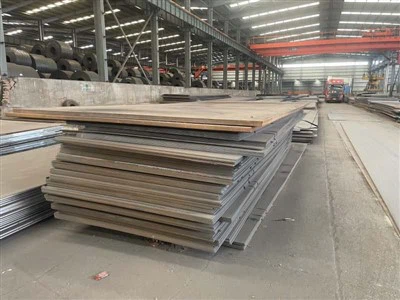
Silicon steel sheets, also known as electrical steel sheets, are widely used in electrical equipment due to their excellent magnetic properties. However, oxidation can significantly degrade the performance and lifespan of these sheets. As a silicon steel sheet supplier, I understand the importance of preventing oxidation to ensure the quality of our products. In this blog post, I will share some effective methods to prevent the oxidation of silicon steel sheets.
Understanding the Oxidation Mechanism of Silicon Steel Sheets
Before discussing prevention methods, it's crucial to understand how silicon steel sheets oxidize. Oxidation of silicon steel sheets is mainly a chemical reaction between iron in the steel and oxygen in the air, forming iron oxides. This reaction is accelerated by factors such as moisture, temperature, and the presence of corrosive substances. When silicon steel sheets oxidize, their magnetic properties deteriorate, leading to increased energy loss and reduced efficiency in electrical equipment.
Surface Coating
One of the most common and effective ways to prevent oxidation is by applying a surface coating to the silicon steel sheets. There are several types of coatings that can be used:
Inorganic Coatings
Inorganic coatings, such as phosphate coatings, are widely used for silicon steel sheets. Phosphate coatings create a thin, protective layer on the surface of the steel, which acts as a barrier against oxygen and moisture. These coatings are relatively inexpensive and can be easily applied through a chemical conversion process. The phosphate coating not only provides corrosion resistance but also improves the adhesion of subsequent organic coatings if needed.
Organic Coatings
Organic coatings, such as epoxy or polyester coatings, offer excellent protection against oxidation. These coatings can form a dense and continuous film on the surface of the silicon steel sheets, preventing oxygen and moisture from reaching the steel substrate. Organic coatings can also provide additional benefits, such as improved electrical insulation and mechanical protection. However, the application of organic coatings requires more complex processes and may be more expensive than inorganic coatings.
Control of Storage and Transportation Conditions
Proper storage and transportation conditions are essential to prevent oxidation of silicon steel sheets.
Storage Environment
Silicon steel sheets should be stored in a dry, well - ventilated environment. The storage area should be protected from rain, snow, and excessive humidity. It is recommended to store the sheets on pallets or racks to keep them off the ground and prevent contact with moisture. Additionally, the storage area should be kept clean to avoid the accumulation of dust and other contaminants that may accelerate oxidation.
Packaging
During transportation, silicon steel sheets should be properly packaged to protect them from environmental factors. Moisture - resistant packaging materials, such as plastic films or bags, can be used to wrap the sheets. Desiccants can also be placed inside the packaging to absorb any moisture that may enter. In addition, the packaging should be designed to prevent mechanical damage to the sheets, as scratches and dents can expose the steel to oxygen and promote oxidation.


Use of Antioxidants
Antioxidants can be added to the silicon steel sheets during the manufacturing process or applied to the surface to inhibit oxidation. These antioxidants work by reacting with oxygen or free radicals before they can react with the iron in the steel. There are various types of antioxidants available, including organic and inorganic antioxidants.
Organic Antioxidants
Organic antioxidants, such as hindered phenols and amines, are commonly used in the steel industry. These antioxidants can be dissolved in solvents and applied to the surface of the silicon steel sheets. They form a protective layer on the surface, which can scavenge free radicals and prevent the initiation of oxidation reactions.
Inorganic Antioxidants
Inorganic antioxidants, such as chromates and molybdates, can also be used to prevent oxidation. These antioxidants can form a passive film on the surface of the steel, which inhibits the corrosion process. However, some inorganic antioxidants, such as chromates, may be harmful to the environment and human health, so their use is being restricted in many countries.
Control of Manufacturing Processes
The manufacturing processes of silicon steel sheets can also affect their susceptibility to oxidation.
Annealing Process
The annealing process is an important step in the production of silicon steel sheets. Proper control of the annealing temperature, time, and atmosphere can help to improve the surface quality and oxidation resistance of the sheets. For example, annealing in a reducing atmosphere, such as hydrogen or a mixture of hydrogen and nitrogen, can reduce the formation of surface oxides and improve the magnetic properties of the sheets.
Cold Rolling Process
The cold rolling process can also affect the oxidation resistance of silicon steel sheets. During cold rolling, the surface of the sheets can be damaged, which may increase their susceptibility to oxidation. Therefore, it is important to control the rolling parameters, such as the rolling force and speed, to minimize surface damage.
Regular Inspection and Maintenance
Regular inspection and maintenance of silicon steel sheets are necessary to detect and prevent oxidation.
Visual Inspection
Visual inspection can be used to detect the early signs of oxidation, such as rust spots or discoloration on the surface of the sheets. If oxidation is detected, appropriate measures should be taken immediately to prevent further deterioration.
Testing of Coating Integrity
The integrity of the surface coatings should also be regularly tested. Coating adhesion tests, such as cross - cut tests, can be used to determine if the coating is properly adhered to the steel substrate. If the coating is found to be damaged or delaminated, it should be repaired or reapplied.
As a silicon steel sheet supplier, we also offer a variety of other high - quality steel products, such as Mild Ship Building Hot Carbon Steel Plates, WNM400 Steel Sheet, and DX51D AZ Zinc Galvanized Steel Coils Sheet. We are committed to providing our customers with the best products and services. If you are interested in our products or have any questions about preventing the oxidation of silicon steel sheets, please feel free to contact us for further discussion and procurement negotiation.
References
- Jones, D. A. (1992). Principles and Prevention of Corrosion. Prentice Hall.
- Uhlig, H. H., & Revie, R. W. (1985). Corrosion and Corrosion Control: An Introduction to Corrosion Science and Engineering. Wiley.
-ASM Handbook Committee. (1990). ASM Handbook Volume 13: Corrosion. ASM International.