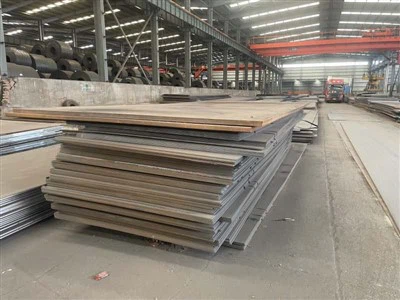
Rust on zinc-plated steel can be a pesky problem, but with the right knowledge and techniques, it's entirely possible to remove it effectively. As a trusted supplier of high-quality zinc-plated steel, I've encountered numerous situations where customers faced rust issues and sought solutions. In this blog post, I'll share some tried-and-tested methods to help you remove rust from zinc-plated steel and keep your products in top condition.
Understanding Zinc-Plated Steel and Rust
Before delving into rust removal methods, it's essential to understand the nature of zinc-plated steel and how rust forms on it. Zinc-plated steel is created by applying a thin layer of zinc to the surface of steel through a process called galvanization. This zinc layer acts as a protective barrier, preventing the underlying steel from coming into contact with oxygen and moisture, which are the primary causes of rust.
However, over time, the zinc layer can become damaged or worn away, exposing the steel beneath. Once the steel is exposed, it reacts with oxygen and moisture in the air to form iron oxide, commonly known as rust. Rust not only affects the appearance of the zinc-plated steel but also weakens its structural integrity, making it more susceptible to further damage.
Common Causes of Rust on Zinc-Plated Steel
Several factors can contribute to the formation of rust on zinc-plated steel. Some of the most common causes include:
- Scratches and Abrasions: Any damage to the zinc layer, such as scratches or abrasions, can expose the underlying steel to oxygen and moisture, leading to rust formation.
- High Humidity: Exposure to high levels of humidity can accelerate the corrosion process, as moisture in the air provides the ideal environment for rust to form.
- Chemical Exposure: Contact with certain chemicals, such as acids or alkalis, can damage the zinc layer and cause rust to develop.
- Poor Installation: Improper installation of zinc-plated steel products can result in gaps or spaces where moisture can accumulate, leading to rust formation.
Methods for Removing Rust from Zinc-Plated Steel
Now that we understand the causes of rust on zinc-plated steel, let's explore some effective methods for removing it.
1. Mechanical Methods
Mechanical methods involve physically removing the rust from the surface of the zinc-plated steel using tools such as sandpaper, wire brushes, or abrasive pads. Here's how you can do it:
- Sandpaper: Start by selecting a fine-grit sandpaper, such as 220-grit or higher. Gently sand the rusted area in a circular motion, applying light pressure. Continue sanding until the rust is removed and the surface is smooth. Be careful not to sand too aggressively, as this can damage the zinc layer.
- Wire Brush: A wire brush can be used to remove stubborn rust from hard-to-reach areas or textured surfaces. Use a medium or stiff wire brush and scrub the rusted area vigorously until the rust is loosened. Afterward, wipe away the loose rust with a clean cloth.
- Abrasive Pad: Abrasive pads, such as Scotch-Brite pads, are another effective option for removing rust from zinc-plated steel. These pads are less aggressive than sandpaper or wire brushes, making them suitable for delicate surfaces. Simply wet the pad and scrub the rusted area in a circular motion until the rust is removed.
2. Chemical Methods
Chemical methods involve using rust removers or inhibitors to dissolve or prevent the formation of rust on the surface of the zinc-plated steel. Here are some common chemical solutions you can use:
- Vinegar: Vinegar is a natural and inexpensive rust remover that can be used to remove light rust from zinc-plated steel. Simply soak the rusted area in vinegar for several hours or overnight. Afterward, scrub the area with a brush or cloth to remove the loosened rust. Rinse the surface thoroughly with water and dry it with a clean cloth.
- Lemon Juice: Lemon juice contains citric acid, which can help dissolve rust. Squeeze fresh lemon juice onto the rusted area and let it sit for a few hours. Then, scrub the area with a brush or cloth to remove the rust. Rinse the surface with water and dry it.
- Commercial Rust Removers: There are many commercial rust removers available on the market that are specifically designed for use on zinc-plated steel. These products typically contain acids or other chemicals that dissolve the rust. Follow the instructions on the product label carefully and wear protective gloves and eyewear when using these chemicals.
3. Electrochemical Methods
Electrochemical methods involve using an electric current to remove rust from the surface of the zinc-plated steel. This method is known as electrolysis and is typically used for larger or more heavily rusted items. Here's how you can perform electrolysis at home:

- Materials Needed: You'll need a plastic container, water, baking soda, a battery charger, a sacrificial anode (such as a piece of scrap steel), and a wire.
- Procedure: Fill the plastic container with water and add a small amount of baking soda to create an electrolyte solution. Place the rusted zinc-plated steel item in the container, making sure it is fully submerged. Connect the positive terminal of the battery charger to the sacrificial anode and the negative terminal to the rusted item using the wire. Turn on the battery charger and let the electrolysis process run for several hours or overnight. The electric current will cause the rust to dissolve and transfer to the sacrificial anode. Afterward, remove the item from the container, rinse it thoroughly with water, and dry it.
Preventing Rust on Zinc-Plated Steel
Once you've removed the rust from your zinc-plated steel products, it's important to take steps to prevent it from coming back. Here are some tips to help you keep your zinc-plated steel rust-free:
- Keep the Surface Clean: Regularly clean the surface of the zinc-plated steel to remove dirt, dust, and other contaminants that can trap moisture and cause rust. Use a mild detergent and water, and dry the surface thoroughly after cleaning.
- Apply a Protective Coating: After removing the rust, you can apply a protective coating to the surface of the zinc-plated steel to prevent future rust formation. There are many types of coatings available, such as paint, wax, or clear sealants. Choose a coating that is compatible with zinc-plated steel and follow the manufacturer's instructions for application.
- Avoid Exposure to Moisture: Whenever possible, keep your zinc-plated steel products dry and away from high humidity environments. If the products are exposed to moisture, dry them immediately to prevent rust from forming.
- Inspect Regularly: Regularly inspect your zinc-plated steel products for signs of rust or damage. If you notice any rust spots, address them promptly using the methods described above.
Conclusion
Removing rust from zinc-plated steel is a relatively straightforward process that can be accomplished using mechanical, chemical, or electrochemical methods. By understanding the causes of rust and taking steps to prevent it, you can keep your zinc-plated steel products looking and performing their best for years to come.
As a supplier of Electro-Galvanized Products, Dx51d Galvanized Steel Coil, and Zinc Plate For Container, I'm committed to providing high-quality products and expert advice to my customers. If you have any questions or need further assistance with rust removal or prevention, please don't hesitate to contact me. I'd be happy to help you find the best solutions for your specific needs.
References
- ASM Handbook, Volume 13A: Corrosion: Fundamentals, Testing, and Protection. ASM International, 2003.
- Metals Handbook: Corrosion, 9th Edition. ASM International, 1987.
- Corrosion Basics: An Introduction. National Association of Corrosion Engineers (NACE), 2007.