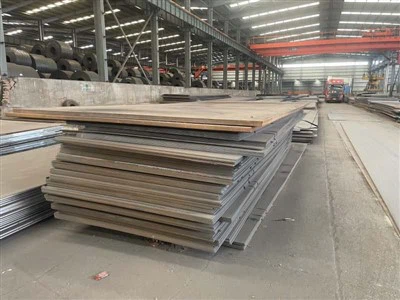
As a rebar steel supplier, ensuring the quality of our products is of utmost importance. Rebar steel, also known as reinforcement steel, plays a crucial role in the construction industry by providing strength and stability to concrete structures. In this blog post, I will share some essential methods and considerations for testing the quality of rebar steel.
Visual Inspection
The first step in testing rebar steel is a thorough visual inspection. This involves examining the surface of the rebar for any visible defects such as cracks, pits, rust, or deformities. Cracks can significantly weaken the rebar and compromise its structural integrity, while rust can lead to corrosion and reduce the lifespan of the reinforcement.
During the visual inspection, pay close attention to the following aspects:
- Surface Finish: The rebar should have a smooth and uniform surface without any rough edges or irregularities.
- Shape and Dimensions: Check that the rebar has the correct shape and dimensions as specified by the relevant standards. Any deviations from the standard dimensions can affect the performance of the rebar in the concrete structure.
- Markings: Look for clear and legible markings on the rebar, indicating the grade, size, and manufacturer. These markings provide important information about the rebar's properties and help ensure traceability.
Chemical Composition Analysis
The chemical composition of rebar steel has a significant impact on its mechanical properties and corrosion resistance. Therefore, it is essential to conduct a chemical composition analysis to verify that the rebar meets the specified requirements.
There are several methods for analyzing the chemical composition of rebar steel, including:
- Spectroscopic Analysis: This method uses a spectrometer to determine the elemental composition of the rebar. It is a fast and accurate way to analyze the chemical composition and can detect even trace amounts of elements.
- Wet Chemical Analysis: This method involves dissolving a sample of the rebar in a chemical solution and then analyzing the solution to determine the elemental composition. It is a more traditional method but can provide highly accurate results.
The chemical composition analysis should focus on the following key elements:


- Carbon (C): Carbon is the most important element in rebar steel as it affects its strength and hardness. The carbon content should be within the specified range to ensure the desired mechanical properties.
- Manganese (Mn): Manganese improves the strength and toughness of the rebar and also helps to prevent brittleness.
- Silicon (Si): Silicon enhances the strength and corrosion resistance of the rebar.
- Sulfur (S) and Phosphorus (P): These elements are considered impurities and should be kept at a minimum level as they can reduce the ductility and weldability of the rebar.
Mechanical Testing
Mechanical testing is another crucial step in evaluating the quality of rebar steel. It involves subjecting the rebar to various mechanical loads to determine its strength, ductility, and other mechanical properties.
The most common mechanical tests for rebar steel include:
- Tensile Test: This test measures the maximum load that the rebar can withstand before breaking. It also provides information about the yield strength, ultimate strength, and elongation of the rebar.
- Bend Test: This test involves bending the rebar to a specified angle to check its ductility and resistance to cracking.
- Hardness Test: This test measures the hardness of the rebar, which is an indication of its resistance to wear and deformation.
The results of the mechanical tests should be compared with the relevant standards and specifications to ensure that the rebar meets the required quality criteria.
Corrosion Resistance Testing
Corrosion is one of the major factors that can affect the durability of rebar steel in concrete structures. Therefore, it is important to test the corrosion resistance of the rebar to ensure its long-term performance.
There are several methods for testing the corrosion resistance of rebar steel, including:
- Salt Spray Test: This test involves exposing the rebar to a salt spray environment for a specified period of time to simulate the effects of corrosion. The rebar is then examined for signs of rust and corrosion.
- Electrochemical Test: This test measures the corrosion rate of the rebar by applying an electrical current to the rebar and measuring the resulting potential difference. It provides a more accurate and quantitative measure of the corrosion resistance of the rebar.
The corrosion resistance testing should be carried out in accordance with the relevant standards and specifications to ensure reliable and comparable results.
Ultrasonic Testing
Ultrasonic testing is a non-destructive testing method that can be used to detect internal defects in rebar steel, such as cracks or voids. It involves sending high-frequency sound waves through the rebar and analyzing the reflected waves to identify any abnormalities.
Ultrasonic testing is a fast and efficient way to detect internal defects in rebar steel without damaging the rebar. It can be used to inspect large quantities of rebar quickly and accurately.
Magnetic Particle Testing
Magnetic particle testing is another non-destructive testing method that can be used to detect surface and near-surface defects in rebar steel. It involves applying a magnetic field to the rebar and then sprinkling magnetic particles on the surface of the rebar. The magnetic particles will accumulate at the locations of any defects, making them visible to the naked eye.
Magnetic particle testing is a simple and effective way to detect surface and near-surface defects in rebar steel. It is particularly useful for detecting cracks and other discontinuities in the rebar.
Conclusion
Testing the quality of rebar steel is a critical process that ensures the safety and durability of concrete structures. By conducting a comprehensive series of tests, including visual inspection, chemical composition analysis, mechanical testing, corrosion resistance testing, ultrasonic testing, and magnetic particle testing, we can ensure that our rebar steel meets the highest quality standards.
As a rebar steel supplier, we are committed to providing our customers with high-quality products that meet their specific requirements. If you are interested in purchasing rebar steel or have any questions about our products and services, please feel free to contact us for a detailed discussion and procurement negotiation. We look forward to working with you to meet your construction needs.
References
- American Society for Testing and Materials (ASTM). (2023). Standard Specifications for Deformed and Plain Carbon-Steel Bars for Concrete Reinforcement.
- International Organization for Standardization (ISO). (2023). Reinforcing Steel Bars - Technical Delivery Conditions.
- British Standards Institution (BSI). (2023). Structural Use of Steelwork in Building - Code of Practice for the Design of Reinforced Concrete.