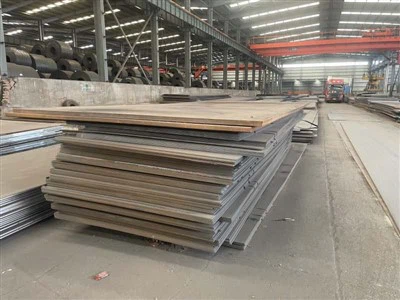
Yo! I'm a supplier of Spiral Steel, and today I wanna chat about the anti - erosion properties of this awesome material.
First off, let's get into what erosion is. Erosion is basically the wearing away of a material due to various factors like the flow of fluids (liquids or gases), the impact of solid particles, or chemical reactions. It can be a real pain in the neck for a lot of industries, causing equipment failure, reducing efficiency, and upping maintenance costs.
So, how does Spiral Steel stack up when it comes to anti - erosion? Well, one of the key features of Spiral Steel is its unique manufacturing process. Spiral Steel is made by continuously bending a steel strip into a circular shape and then welding the edges together. This results in a very uniform and dense structure.
The uniform structure of Spiral Steel plays a huge role in its anti - erosion ability. When a fluid or solid particles come into contact with the surface of the steel, the uniform structure distributes the impact and wear more evenly. This means that instead of having concentrated areas of wear that can quickly lead to failure, the wear is spread out over a larger area. As a result, the steel can withstand the erosive forces for a much longer time.
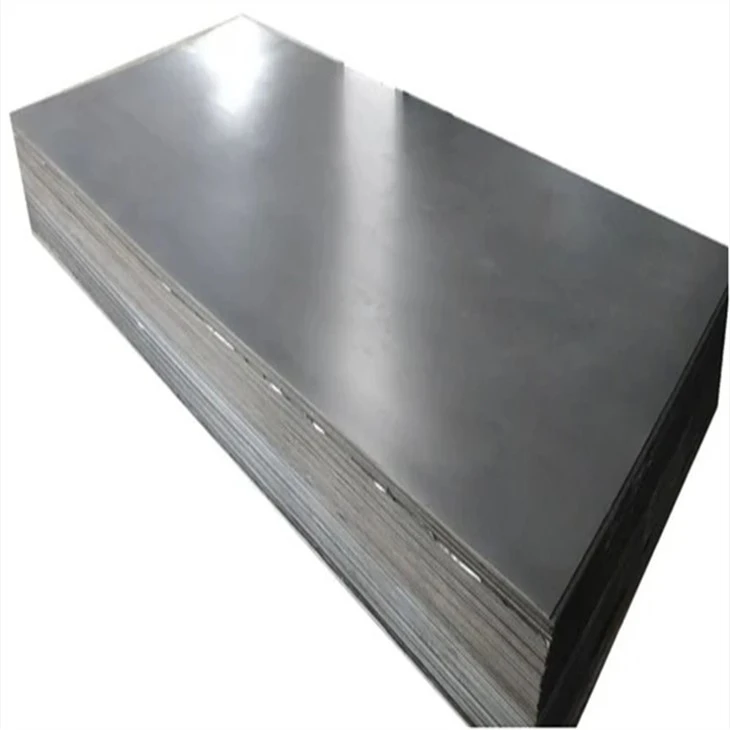
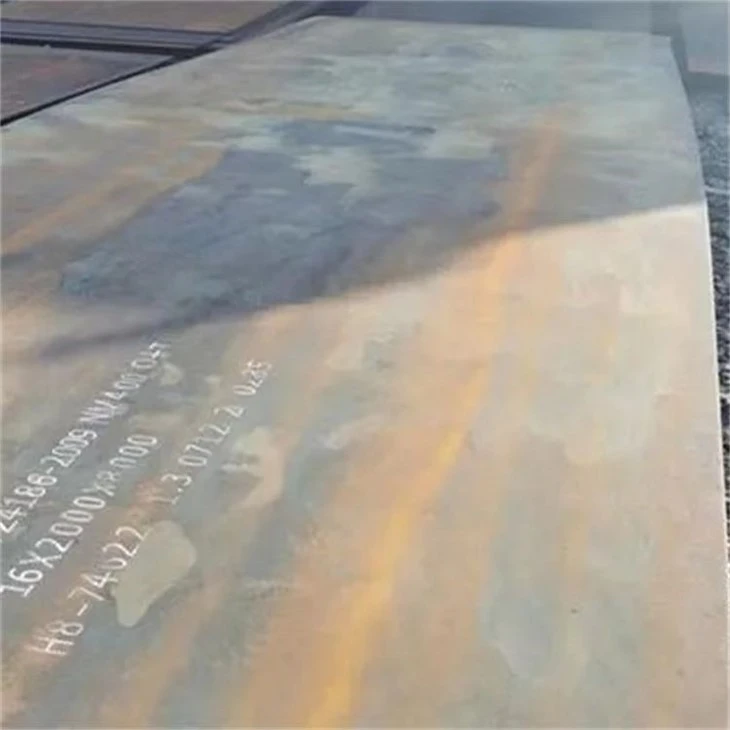
Another important factor is the high strength of Spiral Steel. It has a good combination of strength and toughness. High strength allows the steel to resist the impact of solid particles. For example, in applications where there are abrasive particles in a fluid stream, like in some mining or oil and gas pipelines, the strong Spiral Steel can take the hits without getting easily damaged.
Toughness, on the other hand, is about the ability of the steel to absorb energy without fracturing. When an eroding particle hits the steel surface, the energy from the impact needs to be dissipated. The toughness of Spiral Steel allows it to deform slightly and absorb this energy, rather than cracking or chipping. This is crucial in preventing the initiation and propagation of cracks, which can severely compromise the integrity of the steel and lead to premature failure.
Let's talk about some real - world applications where the anti - erosion properties of Spiral Steel shine. In the oil and gas industry, pipelines are often used to transport crude oil and natural gas. These fluids can contain sand, water, and other corrosive substances. The anti - erosion properties of Spiral Steel make it an ideal choice for these pipelines. It can withstand the flow of these abrasive fluids over long distances and for extended periods without significant wear.
In the mining industry, Spiral Steel is used in slurry pipelines. Slurry is a mixture of water and solid particles, such as coal or minerals. The constant flow of this abrasive slurry can cause severe erosion in pipelines. But Spiral Steel pipes can handle this erosive environment well, reducing the need for frequent pipe replacements and maintenance.
Now, I also wanna mention some related products that might be of interest to you. If you're in the market for pressure vessel plates, check out the P690QL1 Pressure Vessel Plate. It's a high - quality plate that has its own set of great properties.
For applications where wear - resistance is a top priority, the Bimetal Composite Wear - resistant Steel Plate is a great option. It combines the best of two different materials to provide excellent wear protection.
And if you're looking for a carbon steel plate with good strength, the ASTM A572Grade 65(A572GR65) Carbon Steel Plate is worth considering.
If you're thinking about using Spiral Steel for your project or have any questions about its anti - erosion properties or other related products, don't hesitate to reach out. I'm here to help you find the best solutions for your needs. Whether you're in the oil and gas, mining, or any other industry that requires materials with good anti - erosion properties, I can assist you in making the right choice. Let's have a chat and see how we can work together.
References
- Steel Construction Manual, American Institute of Steel Construction
- Handbook of Pipeline Technology, edited by William A. Palmer