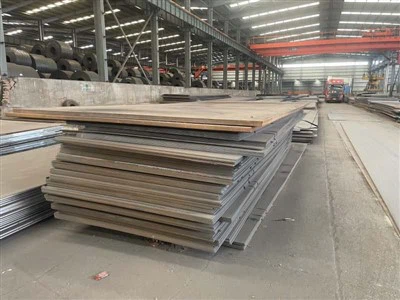
Spring steel is a crucial material in various industries, known for its exceptional elasticity and strength. As a reliable spring steel supplier, I'm here to delve into the chemical compositions that make spring steel such a remarkable material. Understanding these compositions is essential for selecting the right type of spring steel for specific applications, and it also gives us insights into the unique properties each type offers.
Carbon Steel Spring Steel
Carbon steel is one of the most common types of spring steel. Its chemical composition is centered around carbon, which plays a significant role in determining the steel's hardness and strength. In general, carbon steel spring steels contain between 0.5% and 1.0% carbon. The higher the carbon content, the greater the hardness and strength of the steel. However, this also makes the steel more brittle.
For example, 60Si2Mn is a popular carbon steel spring steel. It typically contains about 0.56 - 0.64% carbon, 1.50 - 2.00% silicon, and 0.70 - 1.00% manganese. Silicon helps to increase the strength and hardness of the steel, while manganese improves its hardenability and toughness. This combination of elements makes 60Si2Mn suitable for applications that require high strength and good fatigue resistance, such as automotive suspension springs.
Another well - known carbon steel spring steel is 65Mn Spring Steel. It contains approximately 0.62 - 0.70% carbon and 0.90 - 1.20% manganese. The relatively high carbon content provides excellent hardness, and manganese enhances the steel's hardenability. 65Mn spring steel is widely used in small springs, such as those in locks and electrical appliances, due to its good spring properties and relatively low cost.
Alloy Spring Steel
Alloy spring steels are formulated by adding various alloying elements to carbon steel to improve its properties further. These alloying elements can enhance strength, toughness, corrosion resistance, and heat resistance.
Chromium is a common alloying element in spring steel. It forms a thin, protective oxide layer on the surface of the steel, which improves its corrosion resistance. For instance, 50CrVA is an alloy spring steel that contains about 0.46 - 0.54% carbon, 0.80 - 1.10% chromium, and 0.10 - 0.20% vanadium. Chromium not only enhances corrosion resistance but also increases the steel's hardenability and strength. Vanadium, on the other hand, refines the grain structure of the steel, improving its toughness and fatigue resistance. 50CrVA is often used in high - performance springs, such as those in aircraft landing gear and high - end automotive applications.
Nickel is another important alloying element. It improves the toughness and ductility of the steel, especially at low temperatures. Some alloy spring steels may contain up to 5% nickel. Nickel - containing spring steels are suitable for applications in cold environments, where maintaining good mechanical properties is crucial.
Stainless Spring Steel
Stainless spring steels are highly valued for their excellent corrosion resistance, making them ideal for applications in harsh environments. Stainless Spring Steels are typically based on austenitic or martensitic stainless steel compositions.
Austenitic stainless spring steels, such as 301 and 304, are characterized by their high chromium and nickel content. 301 stainless steel contains about 16 - 18% chromium and 6 - 8% nickel. Chromium forms a passive oxide layer on the surface of the steel, protecting it from corrosion, while nickel stabilizes the austenitic structure, providing good ductility and formability. These steels are often used in springs for food processing equipment, marine applications, and medical devices, where corrosion resistance is of utmost importance.
Martensitic stainless spring steels, like 420 and 431, have a higher carbon content compared to austenitic stainless steels. 420 stainless steel contains about 0.15 - 0.40% carbon and 12 - 14% chromium. The higher carbon content allows the steel to be heat - treated to achieve high hardness and strength. Martensitic stainless spring steels are used in applications that require both corrosion resistance and high mechanical strength, such as springs in valves and pumps.
Other Elements in Spring Steel
In addition to the major elements mentioned above, spring steel may also contain small amounts of other elements to fine - tune its properties.
Sulfur and phosphorus are usually considered impurities in steel. However, in controlled amounts, they can have some beneficial effects. Sulfur can improve the machinability of the steel, but excessive sulfur can reduce its ductility and toughness. Phosphorus can increase the strength of the steel, but high levels of phosphorus can make the steel brittle, especially at low temperatures.


Copper is sometimes added to spring steel to improve its corrosion resistance, particularly in atmospheric environments. It can also enhance the steel's resistance to stress corrosion cracking.
Impact of Chemical Composition on Spring Steel Properties
The chemical composition of spring steel directly affects its mechanical and physical properties. For example, the carbon content in carbon steel spring steel determines its hardness and strength. Higher carbon content leads to increased hardness but decreased ductility. Alloying elements, such as chromium, nickel, and vanadium, can enhance the steel's corrosion resistance, toughness, and fatigue resistance.
The choice of spring steel for a particular application depends on the specific requirements of that application. If high strength and good fatigue resistance are needed, carbon or alloy spring steels with appropriate compositions may be selected. For applications in corrosive environments, stainless spring steels are the obvious choice.
Conclusion
As a spring steel supplier, I understand the importance of chemical composition in determining the quality and performance of spring steel. By carefully controlling the chemical composition, we can produce spring steels that meet the diverse needs of different industries. Whether you need 65Mn Spring Steel for small - scale applications or Stainless Spring Steels for corrosion - prone environments, we have the expertise and resources to provide you with the right products.
If you are in the market for high - quality spring steel, I encourage you to reach out to us for more information and to discuss your specific requirements. We are committed to providing you with the best spring steel solutions tailored to your needs.
References
- ASM Handbook Committee. (2008). ASM Handbook Volume 1: Properties and Selection: Irons, Steels, and High - Performance Alloys. ASM International.
- Bhadeshia, H. K. D. H., & Honeycombe, R. W. K. (2017). Steels: Microstructure and Properties. Elsevier.