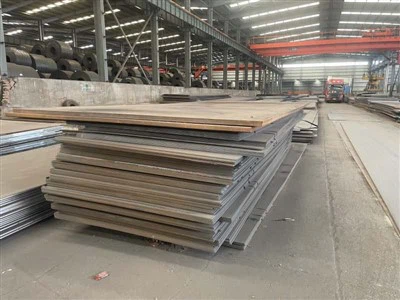
Hey there! As a supplier of Zinc - Plated Steel, I often get asked about the coating adhesion properties of zinc - plated steel. So, I thought I'd sit down and share some insights on this topic.
First off, let's talk about what coating adhesion means. In simple terms, coating adhesion is how well the zinc coating sticks to the steel substrate. This is super important because a strong bond between the zinc and the steel can protect the steel from corrosion, extend its lifespan, and maintain its overall quality.
One of the main factors that affect the coating adhesion of zinc - plated steel is the surface preparation of the steel before plating. If the steel surface has dirt, grease, rust, or other contaminants, the zinc coating won't adhere properly. We always make sure to clean the steel thoroughly before the plating process. We use methods like pickling, which involves dipping the steel in an acid solution to remove any oxides or scale on the surface. This creates a clean, smooth surface for the zinc to bond to.

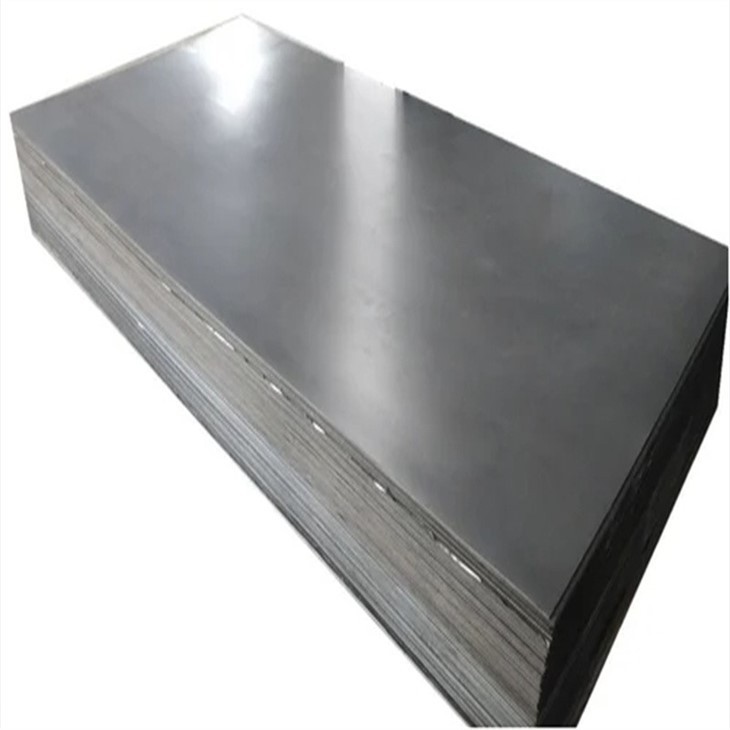
Another factor is the plating process itself. There are different ways to zinc - plate steel, such as hot - dip galvanizing and electro - galvanizing.
Hot - dip galvanizing is a process where the steel is dipped into a bath of molten zinc. This method usually results in a thick and durable zinc coating. The high temperature of the molten zinc helps to form a metallurgical bond between the zinc and the steel. During the dipping process, an alloy layer is formed at the interface between the zinc and the steel. This alloy layer is what gives hot - dip galvanized steel its excellent adhesion properties. For example, our DC51D+Z - 610 Galvanized Coil is hot - dip galvanized, and it has a very strong coating adhesion. The zinc coating is firmly attached to the steel, which makes it resistant to chipping and peeling, even in harsh environments.
On the other hand, electro - galvanizing is an electrochemical process where zinc ions are deposited onto the steel surface using an electric current. Electro - galvanized coatings are generally thinner than hot - dip galvanized coatings. However, they can still have good adhesion if the process is carried out correctly. The advantage of electro - galvanizing is that it can provide a more uniform and smooth coating, which is great for applications where appearance is important. Our Zinc Plate For Container is sometimes electro - galvanized to meet the specific requirements of container manufacturers.
The composition of the steel also plays a role in coating adhesion. Different types of steel have different chemical compositions, and some elements in the steel can either enhance or reduce the adhesion of the zinc coating. For instance, steel with a high carbon content may have poorer adhesion compared to low - carbon steel. We carefully select the type of steel we use for plating to ensure the best possible coating adhesion. Our SGCC Galvanized Steel is made from a suitable grade of steel that promotes good adhesion with the zinc coating.
The environment in which the zinc - plated steel is used can also impact the coating adhesion over time. In a humid or corrosive environment, the zinc coating may start to react with the moisture and other chemicals in the air. If the adhesion is weak, the zinc coating may start to delaminate from the steel surface. However, if the initial adhesion is strong, the zinc coating can continue to protect the steel for a long time. We've seen our zinc - plated steel products perform well in various environments, from coastal areas with high salt content in the air to industrial settings with chemical pollutants.
To test the coating adhesion of zinc - plated steel, there are several methods. One common method is the bend test. In this test, the zinc - plated steel is bent at a certain angle, and then the coating is examined for any signs of cracking or peeling. If the coating remains intact after the bend, it indicates good adhesion. Another method is the tape test. A piece of adhesive tape is applied to the zinc coating and then quickly pulled off. If only a small amount of zinc is removed with the tape, the adhesion is considered satisfactory.
As a Zinc - Plated Steel supplier, we take great pride in the quality of our products. We make sure that our zinc - plated steel has excellent coating adhesion properties through strict quality control measures. We test every batch of our products to ensure that they meet the industry standards for coating adhesion.
If you're in the market for high - quality zinc - plated steel with great coating adhesion, we'd love to have a chat with you. Whether you need it for construction, automotive, or any other application, we can provide you with the right product. Just reach out to us, and we can discuss your specific requirements and provide you with a quote.
In conclusion, the coating adhesion properties of zinc - plated steel are influenced by many factors, including surface preparation, the plating process, the steel composition, and the environment. By understanding these factors and using the right techniques, we can produce zinc - plated steel with strong and durable coating adhesion. So, don't hesitate to contact us if you're looking for top - notch zinc - plated steel products.
References
- ASTM International. (2023). ASTM standards related to zinc - plating and coating adhesion testing.
- Metals Handbook Committee. (2019). Metals Handbook: Properties and Selection: Irons and Steels. ASM International.